Bildon Steel
Glass curtain wall buildings have become a hallmark of modern architecture. They offer aesthetic appeal and a sense of openness. However, these structures can consume significant energy. This raises the question: how to reduce energy consumption in glass curtain wall buildings?
To address this concern, it is essential to explore effective strategies. Innovative technologies and thoughtful design elements can lead to substantial savings. For example, utilizing energy-efficient glazing can dramatically improve thermal performance. Additionally, strategic shading devices can minimize heat gain in sunny climates.
While many solutions exist, not all may be feasible for every building. Each project has unique challenges and opportunities. Thus, understanding how to tailor these approaches is crucial. Ultimately, reducing energy consumption is not just about technology; it’s also about how we rethink our building practices.
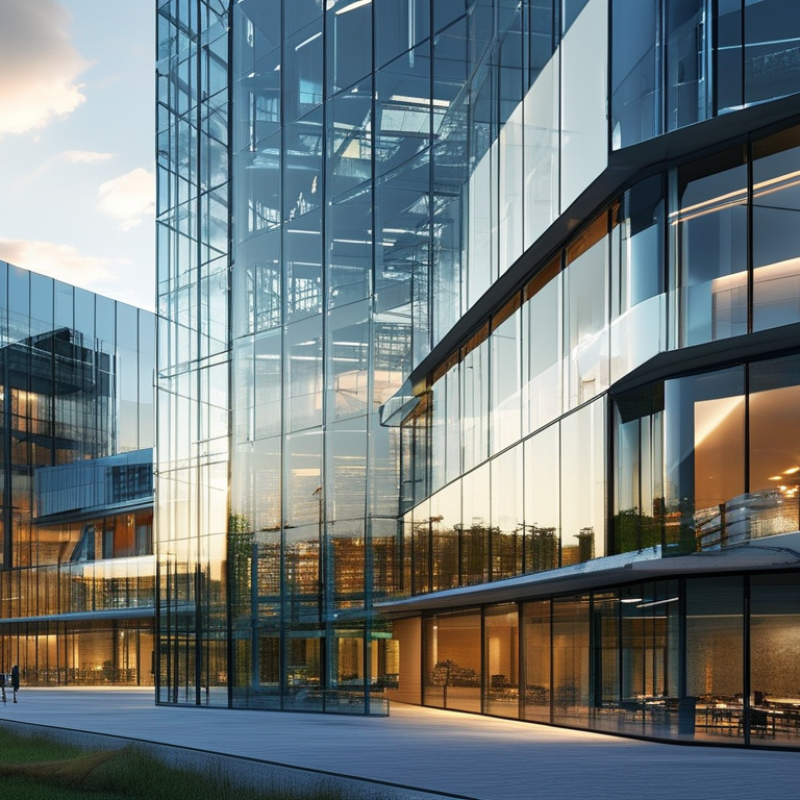
When designing glass curtain walls, it’s vital to focus on minimizing heat loss. Effective glazing design can drastically improve energy efficiency. Consider using double or triple glazing. These layers trap air, reducing heat transfer. The gap between the panes should be filled with inert gases like argon to enhance insulation. This choice can lower heating and cooling costs substantially.
Incorporating low-emissivity (Low-E) coatings on glass is another best practice. These coatings reflect heat back inside during winter while keeping rooms cool in summer. It is a practical way to maintain a stable indoor temperature. Keep in mind that not all coatings are equal. Research is necessary to find the right specifications that fit your project's needs.
Optimal shading devices are also crucial. These features protect against excessive solar heat gain while allowing natural light in. Use adjustable shades for flexibility throughout the day. Consider overhangs or fins, which can block direct sunlight during peak hours. Regularly assess shading effectiveness. Experiment with different designs to see what works best for your building's orientation and local climate.
Low-emissivity coatings, commonly known as low-E coatings, are essential in enhancing energy efficiency for glass curtain walls. These coatings minimize the amount of infrared and ultraviolet light that passes through glass without compromising visible light. By reflecting heat back into the space, they maintain a comfortable indoor temperature, reducing the reliance on heating and cooling systems. This is particularly crucial in buildings that experience significant temperature fluctuations throughout the year.
Incorporating low-E coatings can significantly lower energy consumption. It’s not just about saving on utility bills; it’s about sustainability. However, the application process requires expertise. Misalignment or improper installation can lead to inefficiencies. Building owners must choose professionals with a clear understanding of the technology. Sometimes, cost-effective solutions might fall short of delivering expected results, leading to frustration.
Attention to detail is vital. Regular maintenance of these coated surfaces is crucial for longevity and performance. Neglect may result in decreased effectiveness over time. While low-E coatings are a step forward, they should complement other energy-saving strategies in the building design. Balancing aesthetics and functionality remains a recurring challenge in architecture.
Incorporating insulated glass units (IGUs) can significantly enhance the thermal performance of glass curtain walls. IGUs consist of two or more panes of glass separated by a spacer and sealed to create an insulating barrier. This setup reduces heat transfer, making buildings more energy-efficient. According to a report by the American Society of Heating, Refrigerating and Air-Conditioning Engineers (ASHRAE), high-performance IGUs can achieve a thermal resistance value (R-value) of up to 7.0. This is a substantial improvement over single-layer glass solutions.
While the benefits are compelling, not all IGUs are created equal. The choice of gas fill, such as argon or krypton, can impact the overall performance. Argon gas has a lower thermal conductivity than air, enhancing insulation. However, the initial investment can be higher, and some might question the longevity of the gas sealing as well. Research indicates that IGUs may lose effectiveness over time, sometimes more rapidly in harsher climates. This highlights the importance of regular inspections and potential retrofitting.
The use of low-emissivity (low-E) coatings on IGUs can further optimize energy savings by reflecting heat back into the building during winter and blocking solar heat in summer. The U.S. Department of Energy states that using low-E coatings can improve energy efficiency by up to 30%. Integrating both IGUs and low-E technology in designs is a step forward, but careful planning and ongoing assessment are vital to maintaining optimal energy performance.
Smart shading solutions play a critical role in enhancing daylight use in glass curtain walls. These systems help control the amount of natural light entering a space. They also reduce glare and heat buildup, which can lead to energy savings. For instance, adjustable blinds or dynamic glass can adapt to changing sunlight conditions. This adaptability ensures optimal light levels throughout the day.
Implementing smart shading can be a challenge. Not all buildings are designed for easy integration of these systems. Existing structures may require retrofitting, which can be costly and time-consuming. Moreover, the effectiveness of shading solutions can vary based on geographical location. In some regions, heavy reliance on natural light may not be feasible year-round. It's essential to analyze local weather patterns and sunlight availability before making decisions.
Smart shading solutions play a critical role in enhancing daylight use in glass curtain walls. These systems help control the amount of natural light entering a space. They also reduce glare and heat buildup, which can lead to energy savings. For instance, adjustable blinds or dynamic glass can adapt to changing sunlight conditions. This adaptability ensures optimal light levels throughout the day.
Implementing energy management systems is crucial for glass curtain walls. These systems can monitor energy efficiency in real-time. Sensors and software collect data on energy use. This data helps identify areas for improvement. When you understand energy consumption patterns, you can make informed decisions.
Reducing energy wastage is a challenge. Many buildings with glass curtain walls struggle with heat gain. This can lead to increased cooling costs. An effective energy management system tracks temperature fluctuations. It allows building managers to optimize HVAC settings accordingly. Adjustments can be made in real time based on feedback.
It’s not just about installation. Regular maintenance and updates to the system are necessary. Sometimes, integrating new technologies can be met with resistance. This can lead to inconsistencies in performance. It's essential to build a culture of energy awareness among staff. Training programs can help ensure everyone understands their role in energy management. This can lead to better utilization of resources and reduced consumption over time.
: Effective glazing design significantly improves energy efficiency and minimizes heat loss in buildings.
Double or triple glazing traps air, reducing heat transfer and lowering heating and cooling costs substantially.
Low-E coatings reflect heat back indoors, maintaining stable indoor temperatures year-round and enhancing energy efficiency.
Research is necessary to find the right specifications, as not all coatings meet every project's needs.
Shading devices block excess solar heat while allowing natural light, which protects interior comfort and energy use.
Existing structures may require costly retrofitting, and effectiveness varies based on geographical location and sunlight availability.
Neglecting maintenance can lead to decreased effectiveness over time, impacting energy efficiency.
Shading devices must complement architectural design; poorly integrated solutions may detract from the building’s appearance.
Regular evaluation and adjustments of integrations can help maintain the balance between energy efficiency and design goals.
Misalignment and improper installation can lead to inefficiencies and frustration for building owners.
Reducing energy consumption in glass curtain wall buildings is critical for enhancing energy efficiency and sustainability. One of the best practices involves optimizing glazing design to minimize heat loss by carefully selecting materials and configurations that enhance insulation. Additionally, utilizing low-emissivity coatings can significantly improve energy efficiency by reflecting infrared radiation, thus reducing heat transfer.
Incorporating insulated glass units is another effective strategy to optimize thermal performance, ensuring that buildings maintain comfortable temperatures while consuming less energy. Moreover, adopting smart shading solutions allows occupants to maximize daylight usage while minimizing solar heat gain. Finally, implementing energy management systems can facilitate monitoring and improving the efficiency of glass wall installations. By understanding how to reduce energy consumption in glass curtain wall buildings, architects and builders can contribute to more sustainable architectural practices.