 Bildon Steel
Bildon Steel
Bildon Steel
Explore our engineering breakthroughs in steel pipe truss frameworks, built to withstand immense structural loads under extreme environments.
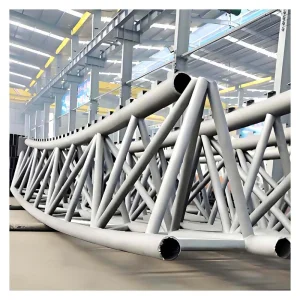
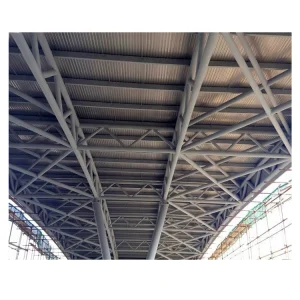
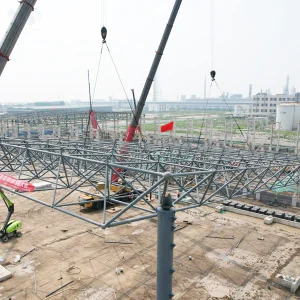
Shandong Bildon Steel Co., Ltd. delivers global-scale structural metal solutions backed by stringent international standards and non-destructive quality testing.
Shandong Bildon Steel Co., Ltd. stands as an esteemed, integrated titan in the global structural steel landscape. Our capabilities encompass full-cycle execution—spanning architectural conceptualization, structural optimization, state-of-the-art intelligent fabrication, and dynamic on-site engineering advisory. We transform raw metallurgical science into towering spatial wonders, delivering robust steel tubular systems that act as the structural backbones for commercial stadiums, high-speed transit corridors, offshore installations, and heavily laden industrial facilities.
By enforcing an uncompromised triad of certifications—ISO9001:2015 (Quality Management System), ISO45001:2018 (Occupational Health & Safety), and ISO14001:2015 (Environmental Management)—Bildon guarantees traceably flawless manufacturing processes and carbon-conscious, highly secure fabrication methodologies.
Rigorous, in-house Non-Destructive Testing (NDT)—including Ultrasonic Testing (UT), Magnetic Particle Testing (MT), and Radiographic examinations—guarantees weld integrity at critical nodal pipe joints.
Holding fully independent import and export rights, Bildon coordinates complex multi-modal transit solutions, delivering large-dimension pre-assembled tubular trusses safely and cost-effectively to global project sites.
Pioneering construction industrialization via digital BIM integration and intelligent high-speed laser and plasma processing pipelines, achieving unparalleled spatial dimensional tolerances.
A Technical Whitepaper on Structural Optimization, Load Paths, and Metallurgical Standards in Long-Span Architecture.
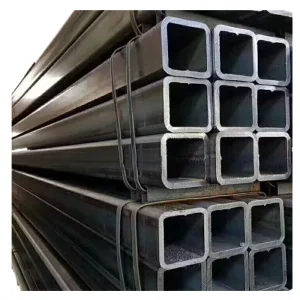
In modern industrial and structural engineering, the shift from classic solid-web H-section beams and plate girders to hollow section steel pipe trusses is revolutionary. Driven by structural efficiency, environmental sustainability, and mathematical design models, hollow structural sections (HSS) in circular (CHS), square (SHS), and rectangular (RHS) profiles have redefined long-span architecture. Structures such as airport terminals, sports stadiums, convention centers, and heavy-industry warehouses are scaling heights and spanning distances that were structurally impossible or financially unviable just two decades ago.
The core structural advantage of hollow steel tube trusses lies in their high geometric material efficiency. A pipe structure concentrates its mass radially as far as possible from the longitudinal neutral axis. This symmetric distribution maximizes the section's radius of gyration, yielding exceptional buckling resistance in both compression and torsion. Unlike conventional I-beams—which feature a distinct "weak axis" prone to lateral-torsional buckling—circular steel tubes carry multidirectional axial loads with uniform efficiency.
In addition, hollow steel pipe sections exhibit significantly lower wind drag coefficients than sharp-cornered structural sections (H-beams, angles, channels). In heavy coastal winds or high-altitude installations, using tubular steel profiles reduces wind loads by up to 40%. This structural optimization reduces horizontal force transmission to the foundations, creating lighter, more cost-effective substructure designs.
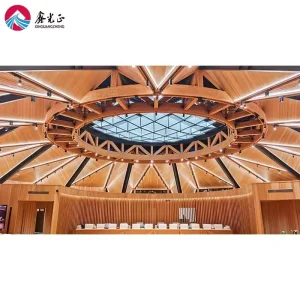
Beyond raw calculations, structural pipe trusses play a vital role in modern aesthetic architectural designs. Structural engineers and master designers leverage tubular trusses to bridge the gap between engineering and art. The smooth surfaces of circular sections allow light to move dynamically across structures, reducing shadows and creating a sense of weightlessness in public spaces. This seamless, structural expression is popular in massive transit hubs, multi-tiered platforms, and open stadiums, where exposed structural systems replace interior ceilings and wall finishes.
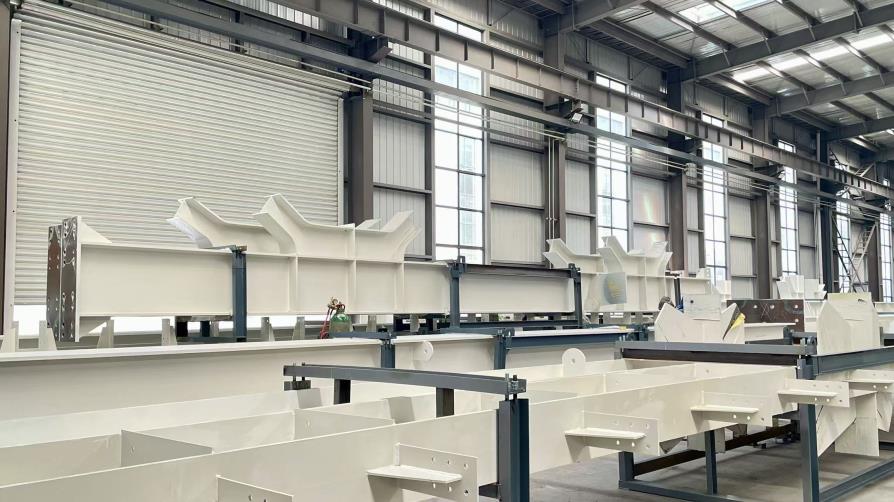
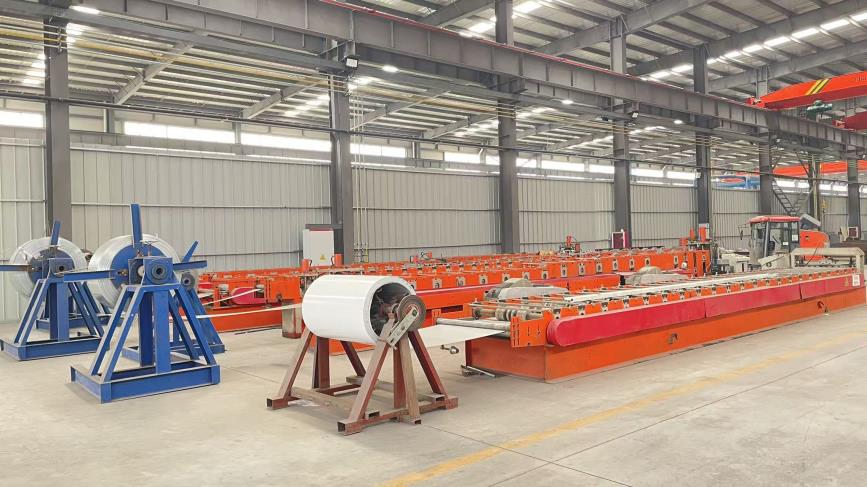
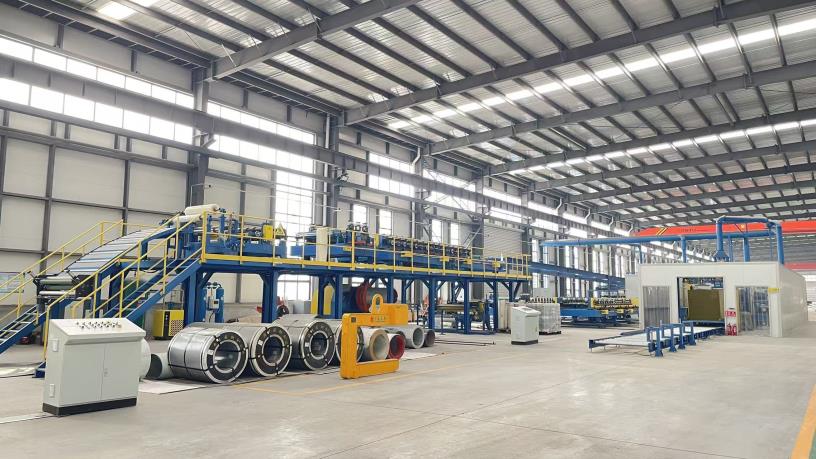
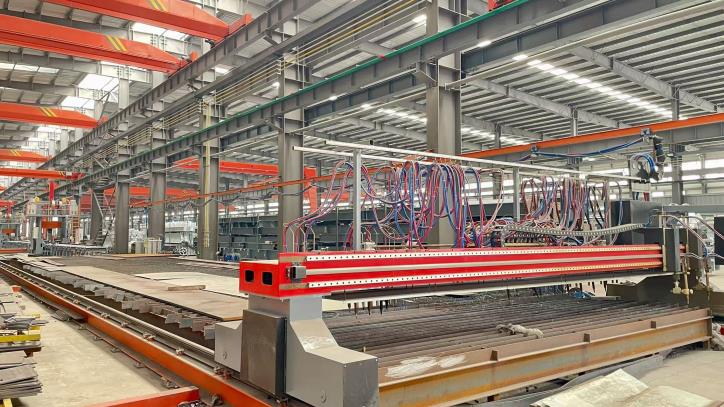
A step-by-step exploration of Shandong Bildon Steel's precision fabrication machinery and assembly floor.
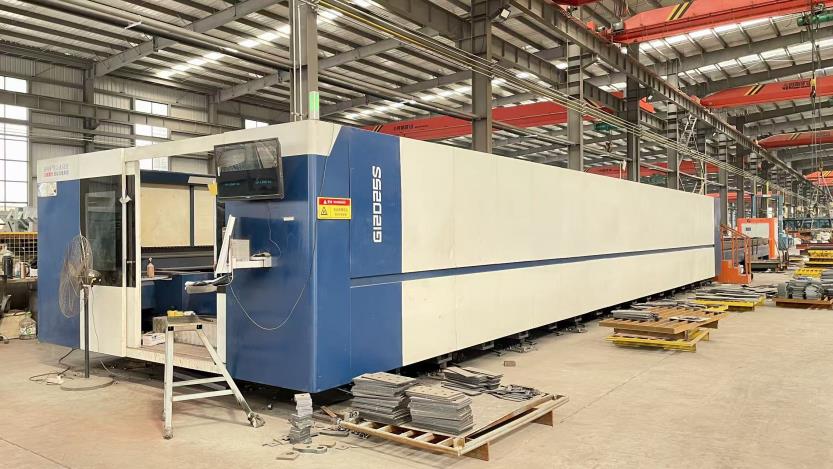
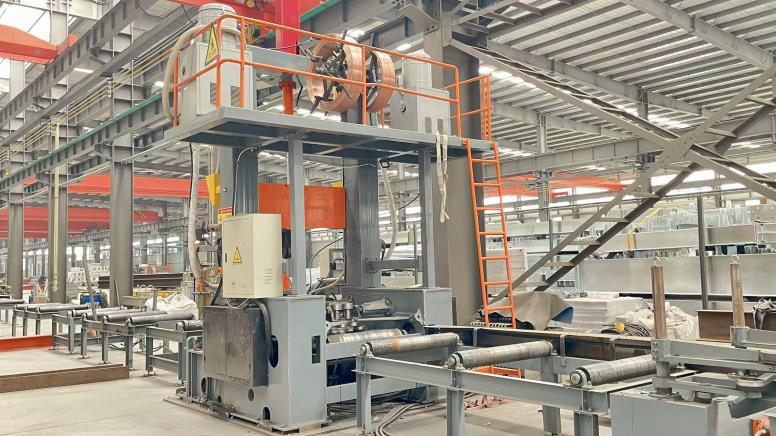
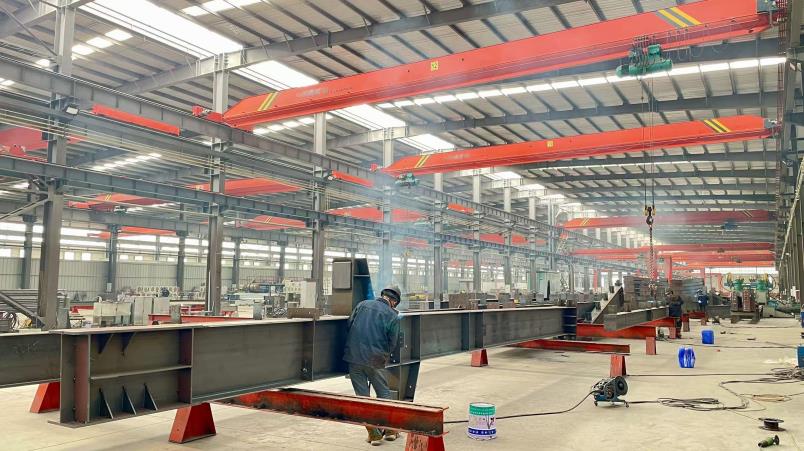
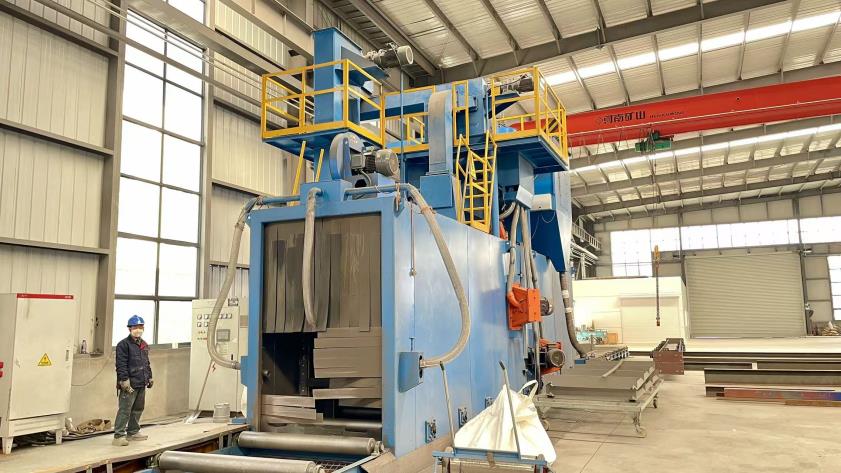
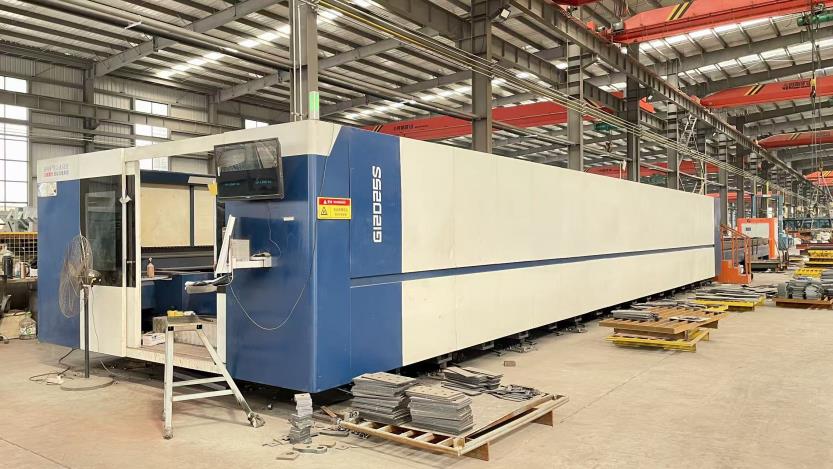
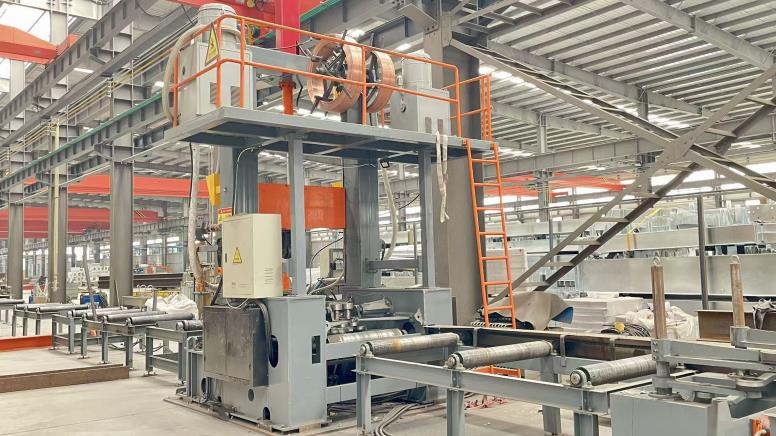
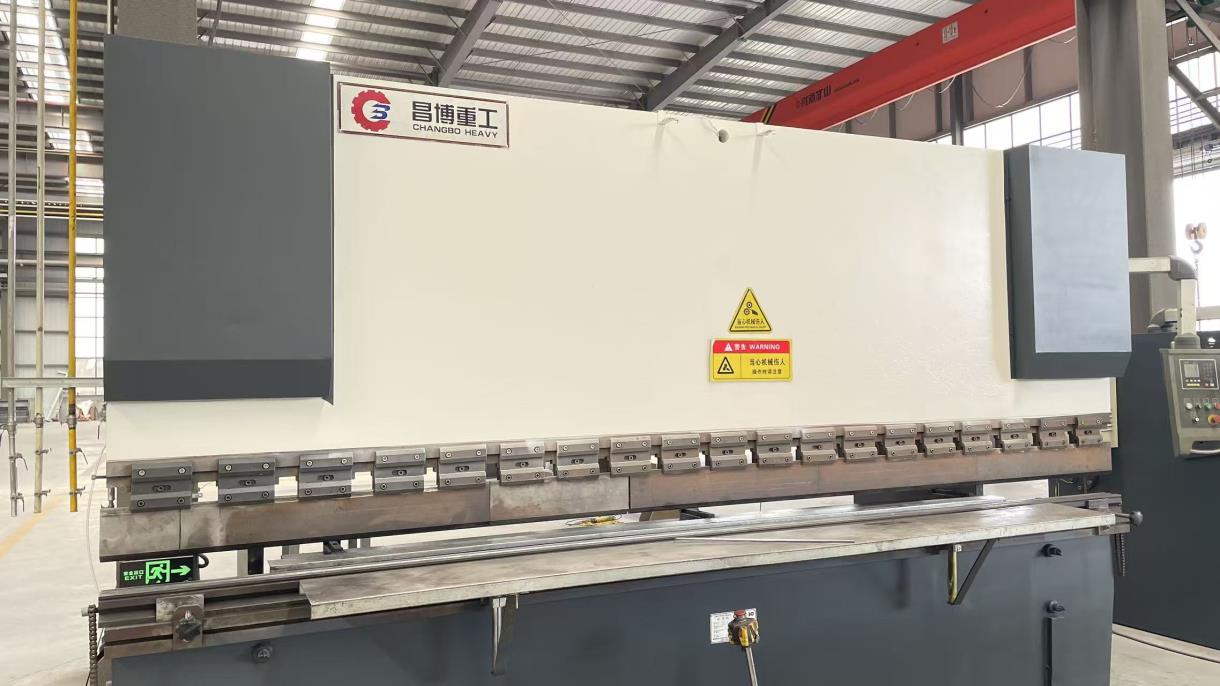
Analyzing structural applications where steel pipe trusses offer superior economic and spatial efficiency.
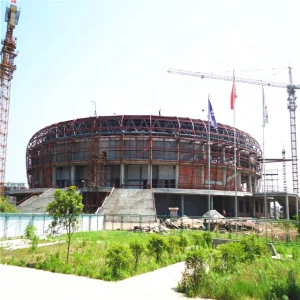
In municipal stadium projects, removing structural columns inside the field of view is critical. Traditional structures use thick, heavy beams that limit layout flexibility and obstruct spectator views. Steel tubular trusses, engineered with high-tensile structural grades (such as ASTM A500 Grade B/C or EN 10219 S355J2H), easily bridge clear spans exceeding 120 meters. These systems are often paired with architectural tension-membrane fabric claddings, creating lightweight structural designs with high dynamic load capacities.
Environmental policies dictate that bulk coal and chemical storage facilities must be completely enclosed to prevent dust emissions. Because these facilities house heavy conveyor systems and overhead tripper cars, the structural frame must support heavy loads and resist highly corrosive conditions. Hot-dip galvanized curved steel pipe trusses are the optimal solution here. The rounded profile of tubular sections prevents dust accumulation, which minimizes dust explosion hazards and structural rot over decades of operation.
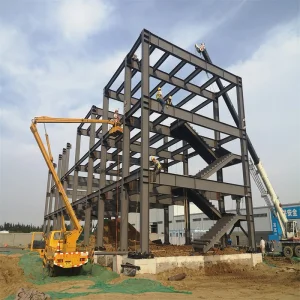
Modern transportation networks rely on high-volume, rapidly constructed terminals. Utilizing prefabricated, bolted-connection tubular systems reduces on-site erection schedules by up to 50%. The factory-controlled prefabricated panels are delivered directly to the construction site and raised quickly into position, minimizing local transport disruptions and optimizing construction budgets.
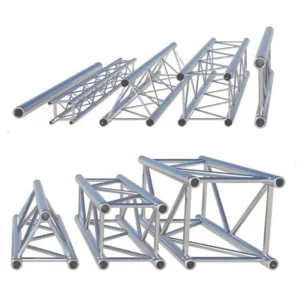
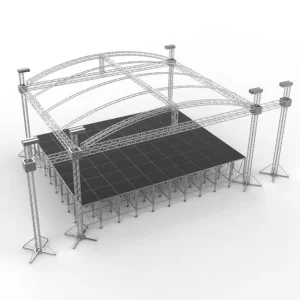
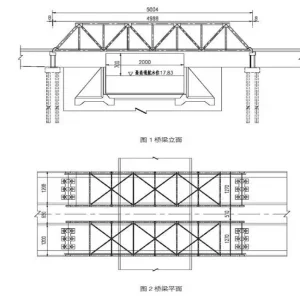
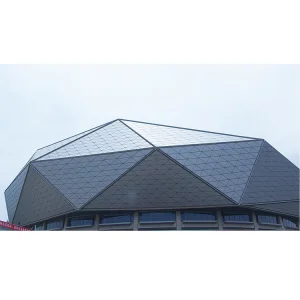
Discover our high-capacity space frame components, bridge trusses, and high-performance structural systems designed for complex projects.

Addressing essential structural design queries, load calculations, and global delivery guidelines for project planners and EPC contractors.