Bildon Steel
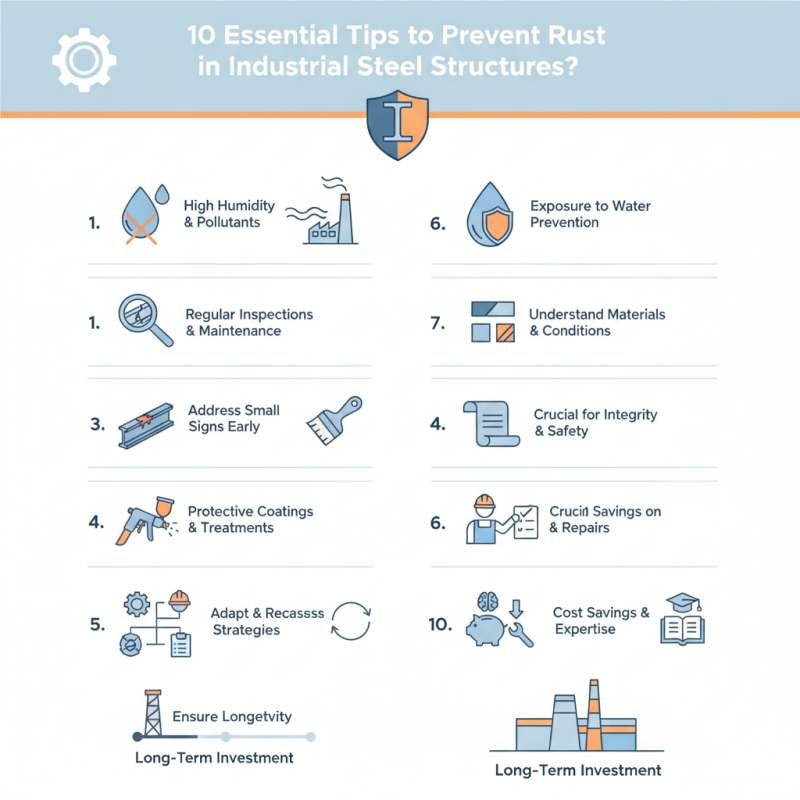
Rust is a significant threat to the durability of industrial steel structures. High humidity, exposure to water, and pollutants accelerate corrosion. Understanding how to prevent rust in industrial steel structures is crucial for maintaining integrity and safety. Effective prevention tactics can save money on repairs and ensure longevity.
Preventive measures require a deep understanding of the materials used and environmental conditions. Regular inspections and maintenance practices play a key role. Small signs of rust should not be ignored. They can lead to larger issues if left untreated. Coatings and treatments are vital components in the fight against corrosion, but they must be applied correctly.
While strategies exist, not all methods work for every structure. Some might find that coatings wear off faster in certain environments. It’s essential to reassess and adapt strategies as needed. Knowledge and expertise in addressing these challenges are vital. Investing time in proper education on rust prevention can pay off in the long run.
Rust is a significant issue for industrial steel structures. Understanding the causes is vital to prevention. Moisture, oxygen, and pollutants cause rusting. When steel comes into contact with water, the oxidation process begins. Even high humidity can lead to rust formation. Furthermore, pollutants from the environment can speed up this process.
One way to reduce rust is to apply protective coatings. These barriers prevent moisture and air from reaching the steel. Regular inspections also matter. A small rust spot can develop into a larger issue if overlooked. Implementing a maintenance schedule is essential.
Using corrosion-resistant materials is another effective tip. These materials can withstand harsh environments better than standard steel. When building or retrofitting, consider these options. They may cost more initially but save money in the long run. Keep in mind that every structure and environment is unique. Therefore, tailor your approach accordingly and remain vigilant.
This chart illustrates the effectiveness of various rust prevention methods commonly used in industrial steel structures. The data represents the percentage of effectiveness in reducing rust formation over a year based on industry surveys.
Regular maintenance and inspections are crucial for preserving the integrity of industrial steel structures. Without them, issues like rust can accumulate and lead to costly repairs. By routinely checking structural elements, weaknesses can be identified before they become significant problems. This proactive approach not only extends the lifespan of steel structures but also enhances safety.
One effective tip includes keeping steel surfaces clean and dry. Moisture and dirt can accelerate rusting. Ensuring proper drainage systems are in place can help divert water away from steel elements. Another important practice is applying protective coatings. These coatings act as barriers, slowing down the oxidation process that causes rust.
As you perform inspections, note wear and tear. Pay attention to joints and seams where water may collect. Over time, even minor issues can evolve into major failures if neglected. Regular reports documenting these findings help maintain awareness and guide future actions. Remember, a little diligence can lead to significant savings and improved safety.
Choosing the right coatings and treatments is vital for preventing rust in industrial steel structures. A report by the National Association of Corrosion Engineers states that corrosion costs the United States over $276 billion each year. Selecting effective protective coatings can significantly reduce these costs. Polyurethane, epoxy, and zinc-rich primers are among the most reliable options available today. Each coating provides unique benefits, such as resistance to harsh chemicals and UV light.
It's crucial to apply these coatings properly. Surface preparation is key. According to industry studies, 80% of coating failures are related to inadequate surface prep. Steel must be clean and free of contaminants for coatings to adhere effectively. Regular inspections and maintenance can identify early signs of rust, allowing for timely intervention. Additionally, new technologies like nano-coatings are emerging, offering enhanced protection. However, they may require a higher initial investment.
Industry professionals note that no one-size-fits-all solution exists. Each environment presents unique challenges. Factors like humidity, temperature, and exposure to corrosive agents can impact the effectiveness of chosen treatments. Relying solely on traditional coatings may not suffice. A tailored approach, considering specific conditions, is essential for long-lasting protection.
Implementing effective drainage systems is crucial for industrial steel structures. Proper drainage helps to direct water away from critical areas. This reduces the risk of rust formation due to moisture accumulation. Water pooling leads to corrosion. It can weaken the steel over time.
Designing a drainage system requires careful planning. Assess the landscape around the structures. Identify areas prone to water buildup. Use sloping surfaces to channel water away. Consider installing gutters and downspouts. These tools can effectively manage rainwater flows.
Regular maintenance is essential. Inspect drainage channels for blockages. Remove debris to ensure free water flow. Neglecting these checks often leads to costly repairs. A well-maintained drainage system enhances the lifespan of steel structures. It offers a proactive approach to rust prevention.
Training personnel on best practices for rust prevention and management is crucial in industrial settings. Employees should understand the science behind rust formation. Knowing how moisture and oxygen interact with steel can help reinforce the importance of preventative measures.
Regular workshops can enhance awareness. These sessions should focus on proper application techniques for protective coatings. Hands-on demonstrations can solidify theoretical knowledge. Encourage employees to share their experiences and challenges faced during their duties. This builds empathy and collective problem-solving.
Additionally, having a clear rust inspection checklist can aid in regular maintenance. A structured approach helps ensure every team member knows what to look for. But, even the best plans can fall short. Continuous feedback loops can identify gaps in training or procedures. This reflective practice fosters a culture of improvement and accountability.
| Tip Number | Tip | Description | Frequency of Implementation |
|---|---|---|---|
| 1 | Regular Inspections | Conduct inspections for early signs of rust formation. | Monthly |
| 2 | Protective Coatings | Apply rust-inhibiting paints or coatings to steel surfaces. | Annually |
| 3 | Proper Drainage | Ensure water is drained away from steel structures. | Ongoing |
| 4 | Environmental Control | Control humidity and temperature in storage areas. | Seasonally |
| 5 | Use of Stainless Steel | Consider using stainless steel in corrosive environments. | Project-specific |
| 6 | Routine Cleaning | Clean surfaces to remove contaminants that can accelerate rust. | Bi-monthly |
| 7 | Application of Corrosion Inhibitors | Use corrosion inhibitors as part of maintenance routines. | As needed |
| 8 | Employee Training | Train personnel on rust prevention techniques | Annually |
| 9 | Monitor Electrolytic Activity | Monitor sites for galvanic corrosion when dissimilar metals are used. | Quarterly |
| 10 | Documentation of Maintenance | Keep detailed records of maintenance and inspections. | Ongoing |
: Rust is caused by moisture, oxygen, and pollutants. Water contact starts the oxidation process.
Protective coatings create barriers. They stop moisture and air from reaching the steel surface.
Inspections help identify weaknesses early. Small rust spots can turn into larger issues if neglected.
Keeping surfaces clean and dry prevents rust. Effective drainage systems can divert water away from them.
Corrosion-resistant materials endure harsh environments better. They may cost more initially but save money long-term.
Neglect can lead to costly repairs and safety risks. Minor issues can escalate into major failures over time.
Document wear and tear, especially at joints. Regular reports maintain awareness of the structure's condition.
No, every structure and environment is unique. Tailoring your strategy is essential for effective prevention.
To effectively learn how to prevent rust in industrial steel structures, it is crucial to understand the underlying causes of rust formation, such as exposure to moisture and environmental pollutants. Regular maintenance and inspections are vital; they help identify potential vulnerabilities and allow for timely interventions.
Choosing appropriate coatings and treatments can significantly enhance rust resistance. Moreover, implementing effective drainage systems reduces moisture accumulation around structures, minimizing rust risks. Training personnel in best practices for rust prevention and management ensures that everyone involved is aware of their role in maintaining the integrity of steel structures. By following these essential tips, industries can significantly prolong the lifespan of their steel infrastructures.
