Bildon Steel Bildon Steel

Why is Hot Rolled Finished Profile Ideal for Heavy Loads?

Time:2026-07-17 Author:Sophia
0%

When considering structural materials for heavy loads, one might ask, "why is hot rolled finished profile better for heavy loading?" Hot rolled finished profiles feature exceptional mechanical properties that make them ideal for demanding applications. According to a recent report by the American Institute of Steel Construction, hot rolled profiles exhibit superior strength, ductility, and toughness, which enhance their load-bearing capacity.

Their production process allows for optimal grain structure, resulting in improved resistance to deformation under stress. In construction and heavy machinery, these profiles withstand significantly greater loads than other profile types. This is not merely a theoretical assertion; industry data shows that structures using hot rolled profiles tend to outperform alternatives in both durability and reliability.

Despite these advantages, caution is advised when selecting materials. A thorough assessment of project requirements is essential. Over-reliance on any single material can lead to unforeseen challenges. Continuous evaluation of engineering choices helps ensure the right fit for specific applications. Understanding why hot rolled finished profile excels in heavy load scenarios is crucial for informed decision-making in structural design.
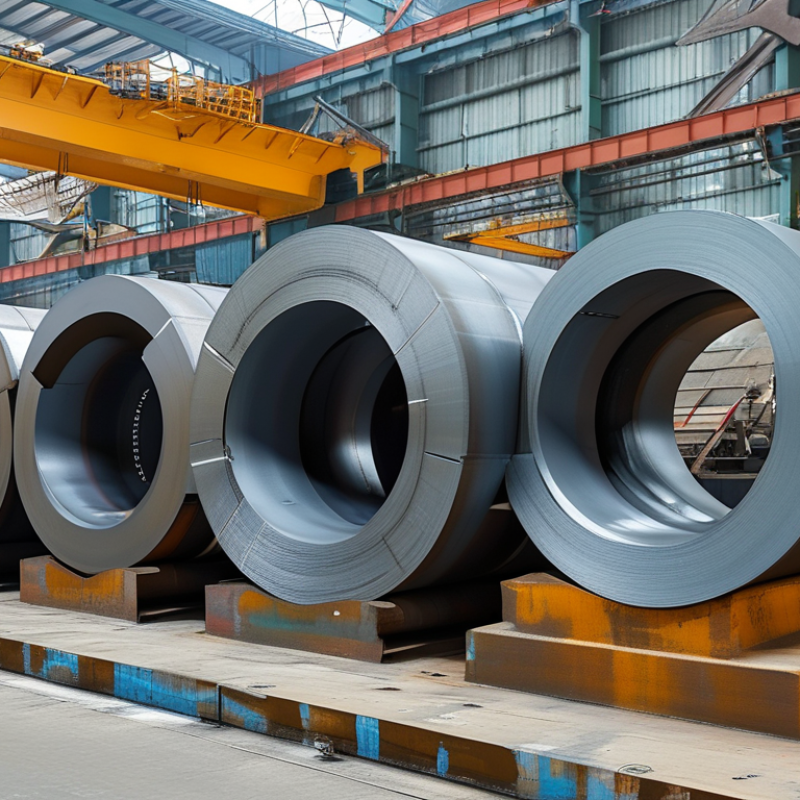
Why is Hot Rolled Finished Profile Ideal for Heavy Loads?

Understanding Hot Rolled Finished Profiles and Their Properties

Hot rolled finished profiles have gained popularity in various industries due to their outstanding characteristics. These profiles are typically produced through a process that involves rolling steel at high temperatures. This method allows for better mechanical properties, such as improved ductility and toughness. According to the World Steel Association, hot rolled steel products have a tensile strength of up to 570 MPa, making them suitable for heavy load applications.

The dimensional accuracy of hot rolled finished profiles is also notable. While they may not be as precise as cold rolled products, their surface quality is still acceptable for structural applications. The average surface finish can range from 1.6 to 6.3 micrometers, which is sufficient for many engineering needs. Additionally, these profiles can handle significant weight, with some designs supporting loads of over 100 tons. However, users should consider factors such as loading duration and environmental exposure, as these can impact performance.

Adopting hot rolled finished profiles, while beneficial, does come with challenges. Their susceptibility to warping during cooling requires careful handling and installation. Proper maintenance and inspection of these profiles can consequently enhance their lifespan. Engineers often must evaluate the specific conditions of their projects to determine the best applications for these profiles, balancing cost with performance.

Mechanical Strength of Hot Rolled Finished Profiles Under Heavy Loads

Hot rolled finished profiles are designed to handle heavy loads efficiently. These profiles undergo a process that enhances their mechanical strength, making them ideal for various industries. The rolling process alters the material at high temperatures, producing uniform cross-sections and improved structural integrity. This ensures the profiles can withstand significant stress without deforming.

Mechanical strength is crucial when dealing with heavy loads. Hot rolled profiles possess high tensile strength and resistance to fatigue. These characteristics are vital in applications like construction and heavy machinery. However, not all hot rolled profiles perform equally. Variations in manufacturing techniques and material quality can impact strength. It's essential to evaluate the profiles carefully before application.

Despite their advantages, challenges remain. Some profiles may show inconsistencies in strength. Quality control is vital during production to address these issues. Analyzing the properties of hot rolled profiles helps prevent potential failures in heavy load applications. Emphasizing reliable manufacturing practices can enhance the overall performance of these profiles, ensuring safety and longevity in demanding environments.

Why is Hot Rolled Finished Profile Ideal for Heavy Loads?

This chart illustrates the mechanical strength of hot rolled finished profiles under heavy loads, comparing different profile shapes and their load-bearing capacities. As demonstrated, I-beams exhibit superior strength compared to channel and square profiles.

Applications of Hot Rolled Finished Profiles in Heavy Load Scenarios

The applications of hot rolled finished profiles in heavy load scenarios are extensive. These profiles are commonly used in construction, transportation, and industrial sectors. Their strength and durability make them a popular choice for supporting massive structures and heavy machinery. For instance, beams made from these profiles are essential for bridges, warehouses, and high-rise buildings.

In the transportation industry, hot rolled profiles are critical for producing trailers and trucks. They provide the structural integrity necessary for carrying heavy cargo over long distances. Additionally, they are used for railway tracks, ensuring safety and reliability under significant weight. The consistent quality of hot rolled profiles contributes to their effectiveness in these demanding environments.

Tip: Always consider the weight capacity of hot rolled profiles before application. Overloading can lead to failures. Regular inspections are vital, especially in high-stress situations.

Despite their advantages, not all profiles fit every application. It's essential to thoroughly analyze specific needs and conditions. This consideration helps prevent potential issues later on. Balancing strength with flexibility often proves challenging, and careful planning is key.

Tip: Consult with structural engineers when in doubt. Experts can offer valuable insights tailored to unique projects. This approach can save time and resources while ensuring safety.

Comparative Analysis: Hot Rolled vs. Cold Rolled Profiles for Load Bearing

Hot rolled finished profiles are widely recognized for their superior performance under heavy loads. In a comparative analysis of hot rolled versus cold rolled profiles, the most striking difference lies in their structural integrity. According to a 2022 report by the American Institute of Steel Construction, hot rolled sections can support up to 15% more weight than their cold rolled counterparts. This is largely due to their manufacturing process, which allows for more precise grain orientation and improved ductility.

Cold rolled profiles, while they offer finer tolerances and a smoother surface finish, tend to have reduced yield strength compared to hot rolled sections. Data from the Engineering Toolbox shows that hot rolled steel can exhibit a yield strength of approximately 250 MPa, whereas cold rolled steel typically falls short at around 205 MPa. This difference becomes critical in applications requiring high load-bearing capacity, such as industrial frameworks and heavy machinery supports. The risk of failure in cold rolled products is notably higher under dynamic loads.

Additionally, while hot rolling leads to a coarser surface, it enhances toughness and shock resistance. The process induces a certain level of internal stress that can benefit overall performance in harsh environments. However, this can also mean a compromise in surface finishing, which might require additional treatment for aesthetic purposes. Striking a balance between strength and surface quality is an area for further exploration in manufacturing practices.

Why is Hot Rolled Finished Profile Ideal for Heavy Loads? - Comparative Analysis: Hot Rolled vs. Cold Rolled Profiles for Load Bearing

Profile Type Yield Strength (MPa) Tensile Strength (MPa) Elongation (%) Typical Applications
Hot Rolled Profile 250 - 400 340 - 600 20 - 30 Structural beams, Heavy machinery
Cold Rolled Profile 200 - 300 300 - 550 10 - 25 Automotive components, Panels

Industry Standards and Specifications for Hot Rolled Finished Profiles

Hot rolled finished profiles are designed to meet various industry standards. These standards ensure that the profiles can handle heavy loads efficiently. They are commonly made from high-strength steel. This material provides enhanced durability and stability.

Specifications often include dimensions, weight, and mechanical properties. For example, profiles must maintain specific tolerances to ensure proper fit in construction applications. Compliance with standards like ASTM and EN ensures that these profiles can withstand the stresses in heavy industrial uses.

Tip: Always check for certification marks. They indicate that the material meets necessary standards.

Fabrication processes also play a crucial role in performance. Hot rolling allows for uniform grain structure, which contributes to higher yield strength. This is essential when dealing with significant forces.

Tip: Consider your load requirements. Choosing the right profile can prevent structural failures.

Regular inspections and adherence to safety guidelines are vital. Industry professionals should assess material integrity often. Awareness of potential weaknesses in profiles can lead to timely repairs.

Tip: Keep records of material specifications. This practice facilitates compliance and quality control.

FAQS

: What are hot rolled finished profiles?

: Hot rolled finished profiles are steel products made by rolling steel at high temperatures, enhancing their mechanical properties.

What mechanical properties do hot rolled profiles possess?

They exhibit improved ductility and toughness, making them suitable for heavy load applications.

How do hot rolled profiles compare in dimensional accuracy?

They are less precise than cold rolled products but still maintain an acceptable surface quality for structural uses.

What are common applications for hot rolled profiles?

They are widely used in construction, transportation, and industrial sectors, supporting heavy structures and machinery.

Why is consulting with structural engineers recommended?

Experts can provide tailored insights, helping balance strength and flexibility while ensuring safety.

What should be considered regarding weight capacity?

Overloading hot rolled profiles can lead to failures; regular inspections are vital in high-stress scenarios.

What is a key difference between hot rolled and cold rolled profiles?

Hot rolled profiles support more weight and have better ductility but may have a coarser surface finish.

Are there challenges when using hot rolled profiles?

They can warp during cooling and require careful handling and installation to ensure longevity.

What is the impact of environmental exposure on hot rolled profiles?

Loading duration and environmental factors can affect performance, necessitating careful evaluation for specific projects.

Can hot rolled profiles be improved for aesthetics?

While their surface is coarser, additional treatments can enhance appearance, but this may affect other properties.

Conclusion

Hot rolled finished profiles are known for their superior mechanical strength, making them an ideal choice for heavy load applications. Understanding the properties of these profiles reveals their ability to withstand significant stress without deformation. The manufacturing process of hot rolling enhances the material's toughness, improving performance under heavy load conditions.

Moreover, when comparing hot rolled versus cold rolled profiles, it becomes clear why hot rolled finished profile is better for heavy loading. The inherent characteristics of hot rolled profiles, such as greater ductility and better dimensional stability, allow them to perform effectively in demanding scenarios like construction and heavy machinery. Adhering to industry standards and specifications further ensures their reliability, making them a preferred option for engineers when designing load-bearing structures.

Sophia

Sophia

Sophia is a dedicated marketing professional with an exceptional depth of knowledge about her company's products and services. With a keen understanding of market trends and customer needs, she crafts insightful blog posts that not only inform but also engage readers, enriching the company’s online......