 Bildon Steel
Bildon Steel
Bildon Steel
In the realm of modern architecture, the integration of steel profiles with glass facades has emerged as a significant trend. Architects and designers often ponder why use exquisite steel profiles for minimalist glass facades. The answer lies in the unique blend of aesthetics and functionality that these materials provide. Exquisite steel profiles not only enhance the visual appeal of a building but also offer structural integrity.
Consider the elegance and simplicity of minimalist designs. They demand materials that complement their style while ensuring durability. Steel profiles can adapt to various designs. They add intricate details without overwhelming the glass. This balance creates a sophisticated look, allowing the building to resonate with its surroundings. However, achieving this balance is not without challenge. Each project requires careful consideration of design and materials.
Furthermore, the reliability of steel is paramount in construction. Its strength ensures longevity, resisting environmental factors. This characteristic makes steel a trusted choice for architects aiming for sustainable designs. However, the selection process can be daunting. Mistakes in choosing the right profile can compromise both aesthetics and safety. Therefore, understanding the benefits of exquisite steel profiles is essential to making informed decisions in architectural design.
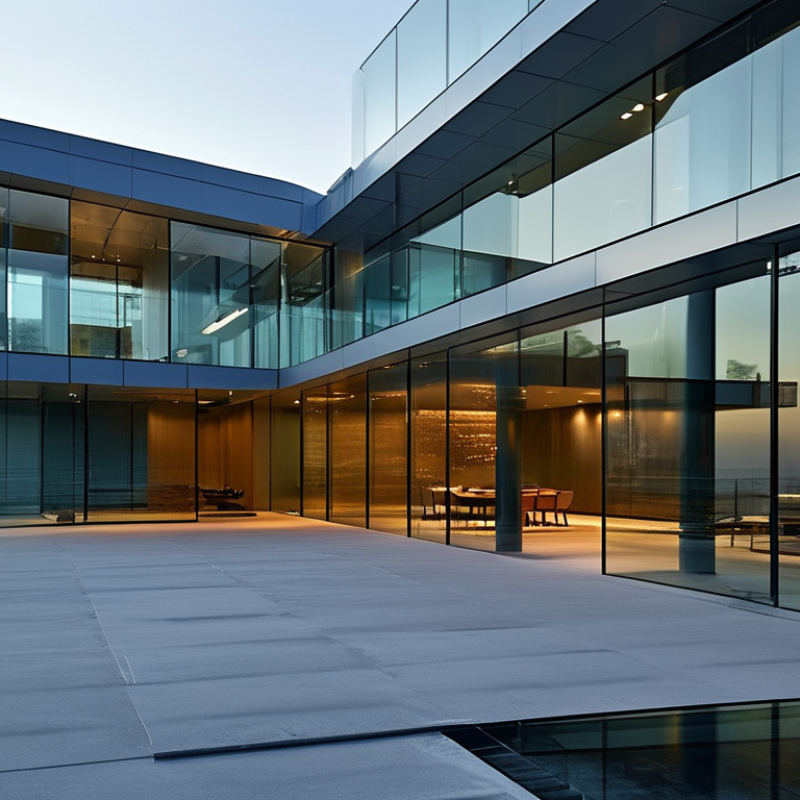
In modern architecture, exquisite steel profiles play a significant role in creating stunning glass facades. These profiles offer both strength and versatility, allowing architects to design innovative structures. The sleek lines of steel frames support large glass panels while maintaining visual clarity. This combination enhances natural light, creating airy and inviting spaces.
Moreover, steel profiles are renowned for their durability. They resist weathering and corrosion, ensuring that facades remain appealing over time. This longevity reduces maintenance costs and enhances the building’s overall lifespan. However, one must consider the environmental impact of steel production and the energy required for fabrication. This is an ongoing challenge in sustainable architecture.
Additionally, the aesthetic value of steel profiles cannot be overlooked. They provide a modern look that complements various styles, from minimalist to industrial. This visual appeal adds market value to properties. Yet, the choice of profile design should carefully match the building’s environment. Integrating steel profiles seamlessly with the surrounding landscape requires thoughtful planning and execution. These intricate details are what make a facade truly exquisite.
| Reason | Description |
|---|---|
| Structural Integrity | Steel profiles provide superior strength and stability for glass facades, supporting heavier glass panels efficiently. |
| Aesthetic Appeal | Exquisite designs and finishes of steel profiles can enhance the visual appeal of modern buildings. |
| Durability | Steel is resistant to environmental factors, ensuring long-lasting performance without significant wear. |
| Flexibility in Design | Steel profiles come in various shapes and sizes, allowing architects to create innovative building designs. |
| Energy Efficiency | Steel profiles can be integrated with thermal breaks, improving insulation and reducing energy costs. |
| Low Maintenance | Once installed, steel profiles require minimal maintenance compared to other materials, saving time and cost. |
| Sustainability | Steel is recyclable, contributing to sustainable building practices and reducing environmental impact. |
| Fire Resistance | Steel has inherent fire-resistant properties, enhancing the safety of buildings constructed with glass facades. |
| Cost-Effectiveness | Despite initial investment, the longevity and lower maintenance costs of steel profiles make them cost-effective in the long run. |
: Steel profiles provide strength and versatility, enhancing design possibilities for stunning glass facades.
They support large glass panels, allowing more natural light into spaces, creating airy atmospheres.
Steel resists weathering and corrosion, ensuring that facades remain beautiful over time with less maintenance.
Yes, the energy required for steel fabrication poses a challenge in sustainable architecture.
Their modern look adds appeal to various architectural styles, potentially increasing market value.
It's vital to match designs with the building's environment and carefully plan for seamless integration.
Yes, steel profiles do not warp in humidity and resist physical impacts, making them ideal for various climates.
While the upfront cost may be higher, long-term savings in maintenance and repairs can justify the expense.
Steel can be reused multiple times without losing quality, reducing the demand for new resources.
The initial extraction of raw materials can harm the environment, highlighting the need for greener methods.
In modern architecture, the question of "why use exquisite steel profiles for minimalist glass facades" arises due to the numerous benefits these materials offer. One of the primary advantages is their unmatched durability and strength, which ensures that structures can withstand the test of time while providing a secure framework for large glass installations. The aesthetic appeal of steel profiles complements minimalist designs, adding a sleek, contemporary touch that enhances the visual impact of glass facades.
Additionally, exquisite steel profiles present eco-friendly benefits, as they are often recyclable and sustainable, contributing to greener building practices. From a financial standpoint, opting for steel profiles can also be cost-effective, offering a balance between budget constraints and high-quality design. Overall, integrating steel profiles with glass facades brings together functionality, beauty, and sustainability, making it a preferred choice in today’s architectural landscape.
