Bildon Steel
Bildon Steel
Bildon Steel
Explore our premium structural steel components, engineered kits, and heavy-duty frame systems designed for global distribution and rapid construction.
In modern industrial and logistics architecture, maximizing vertical space has evolved from an optional efficiency strategy to a core business necessity. Heavy-duty structural steel platforms, often utilized as mezzanine flooring systems, multi-tiered staging grids, or equipment support structures, represent the backbone of optimization. As global supply chains face volatile operational pressures, the demand for scalable, robust, and highly dynamic steel assemblies is rising dramatically.
Recent developments point towards modularization and intelligent load-distribution engineering. Rather than traditional cast-in-place concrete intermediate levels, structural steel platforms present a highly adaptable, dismantlable, and structural alternative. They allow factories and logistics complexes to double or triple their usable square footage without expanding the physical footprint of the building envelope, thereby mitigating property taxes, minimizing land usage, and keeping operations localized in primary economic hubs.
Procurement directors and structural engineers operating in international sectors look for key metrics when selecting a Chinese manufacturing partner. Standard inquiries extend far beyond raw price-per-ton evaluations. The modern buyer prioritizes:
Shandong Bildon Steel Co., Ltd. is an integrated service provider in the field of steel structures, specializing in design, manufacturing, fabrication, and construction. The company is committed to delivering high-quality steel structure solutions with strong engineering capability and reliable project execution for clients across global markets.
Bildon Steel has obtained and strictly operates internationally recognized management systems, including ISO9001 Quality Management System, ISO45001 Occupational Health and Safety Management System, and ISO14001 Environmental Management System. The company is equipped with advanced non-destructive testing (NDT) and quality inspection capabilities, ensuring strict control over every stage of production and construction. It is recognized as a contract-abiding and credit-worthy enterprise, and holds independent import and export rights, with products and services delivered to multiple countries and regions worldwide.
With continuous focus on innovation and industrial upgrading, Shandong Bildon Steel Co., Ltd. actively promotes construction industrialization, digital engineering, and intelligent manufacturing, striving to improve efficiency, precision, and sustainability in steel structure production.
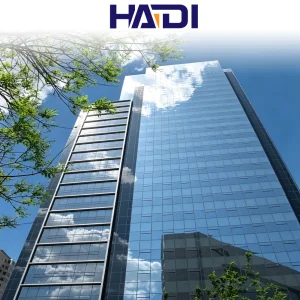
The company’s business scope covers a wide range of engineering applications, including building steel structures, large-scale industrial plants, multi-storey and high-rise steel buildings, non-standard steel components, complete equipment supporting steel structures, metal processing, special steel structures, and heavy steel structures. It also has strong capabilities in high-end engineering fields such as nuclear power infrastructure, photovoltaic power generation systems, shipbuilding steel structures, curtain wall engineering, and offshore wind power structures.
Backed by a professional team of engineers, project managers, and skilled manufacturing personnel, Bildon Steel continues to strengthen its research and development capabilities, supply chain integration, and smart production systems. The company is dedicated to becoming a leading global steel structure manufacturing and engineering service base, known for advanced technology, stable quality, and customer satisfaction.
| Parameters | Standard Specifications | Engineering Custom Options | |||
|---|---|---|---|---|---|
| Primary Structural Grade | Q355B / Q355D / Q420 (GB/T 1591) | ASTM A572 Gr.50, S355JR, S355JO, S355NL | Secondary Framing Members | Q235B / Cold-rolled light gauge steel | ASTM A36, S235JR |
| NDT Testing Protocols | Ultrasonic (UT), Magnetic Particle (MT), Penetrant (PT) | Full AWS D1.1, EN 1090-2 EXC2/EXC3 Execution Class | |||
| Corrosion Resistance Class | C3 (Medium Industrial), C4 (High Industrial) | C5-I (Industrial Harsh), C5-M (Marine Extreme Coastlines) | |||
| Floor System Compatibility | Bar grating, steel checkered plate, composite slab | Precast concrete panels, heavy fiber-cement floorings |
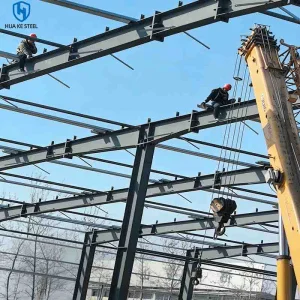
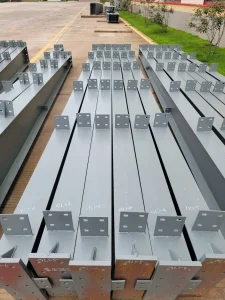
Our heavy industrial production complex is backed by automated equipment, high-precision machining centers, and comprehensive processing steps to ensure zero-defect fabrication.
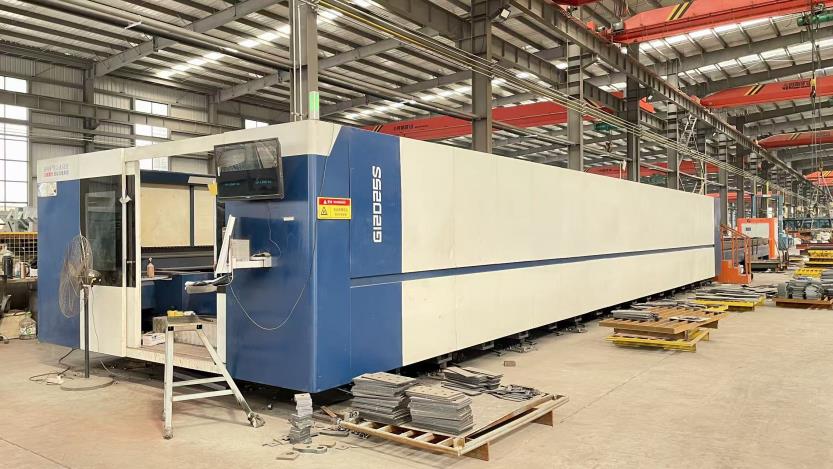
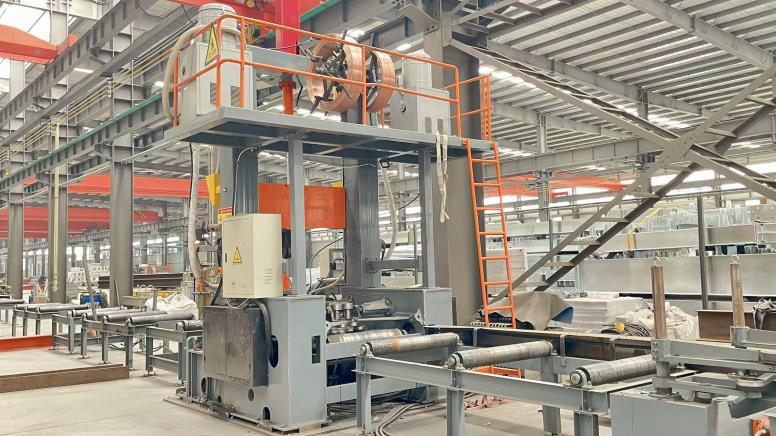
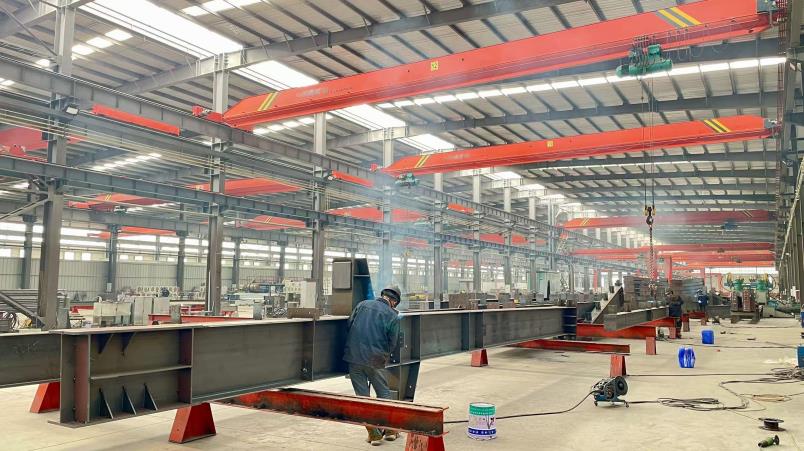
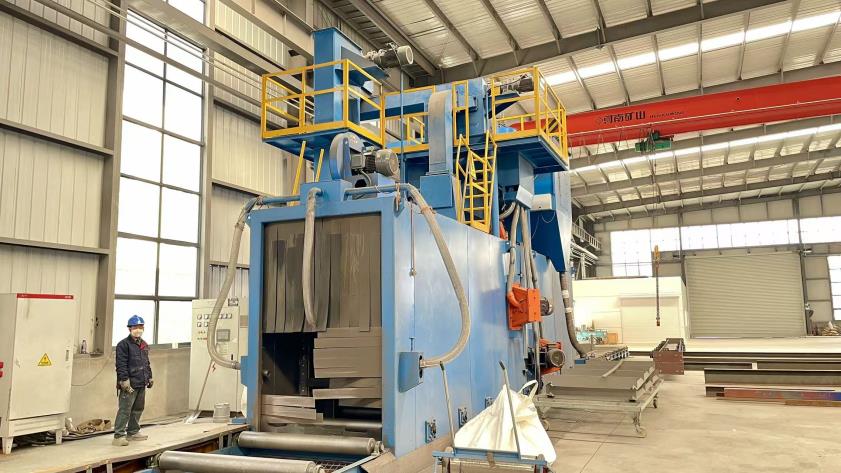
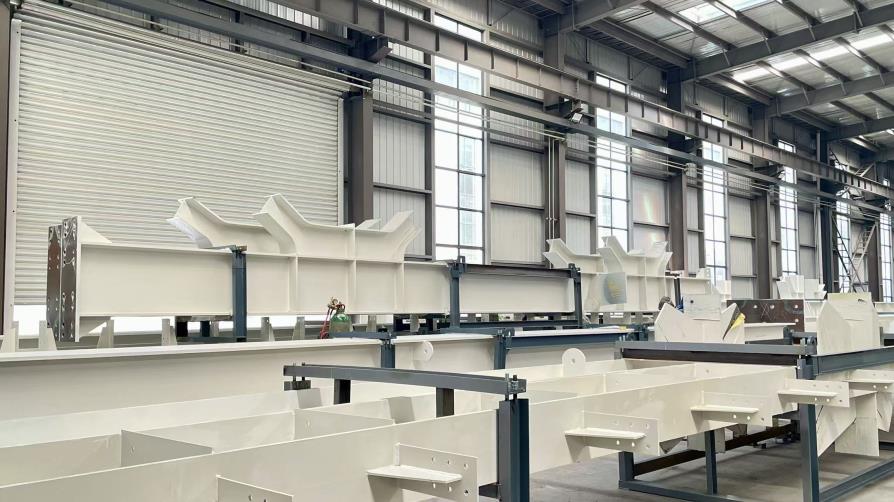
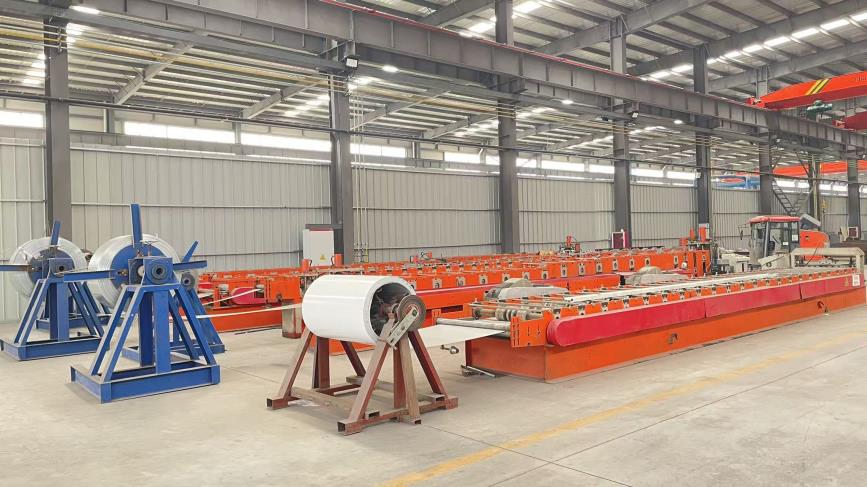
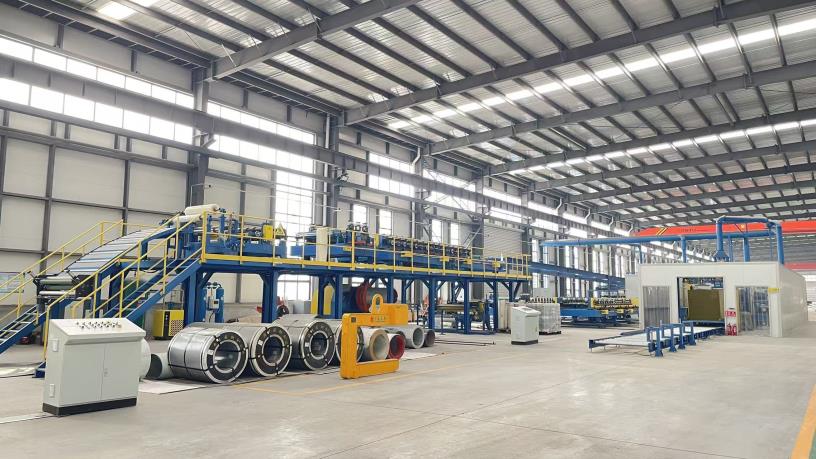
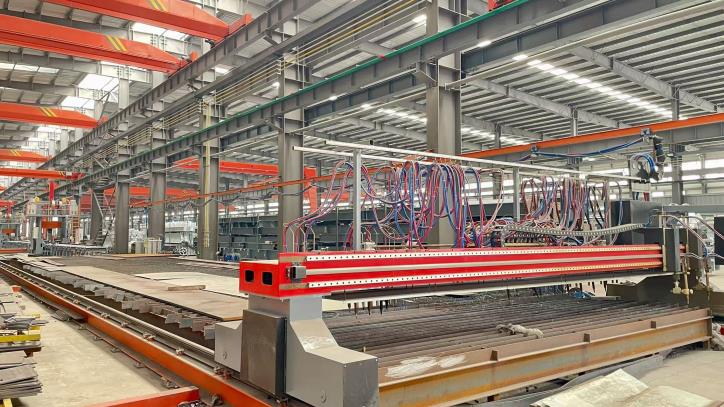
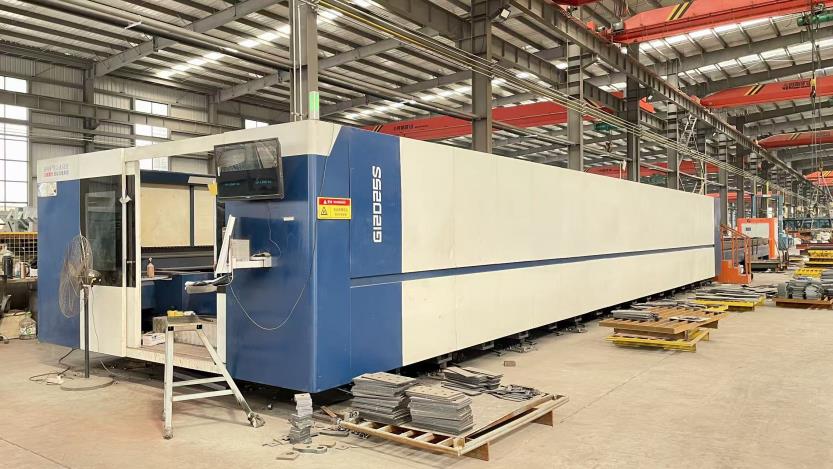
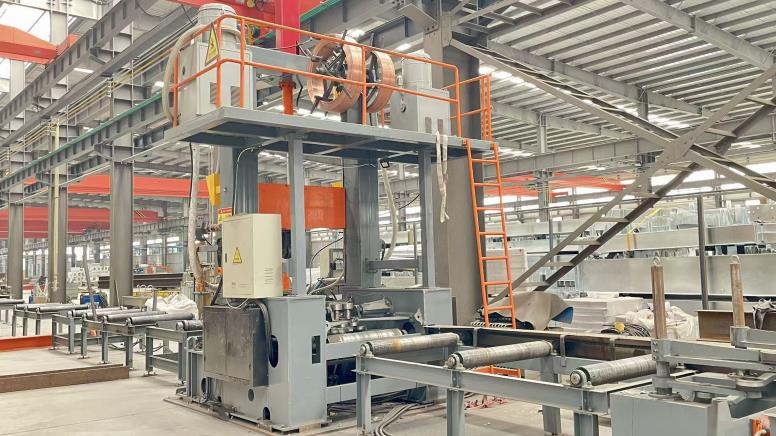
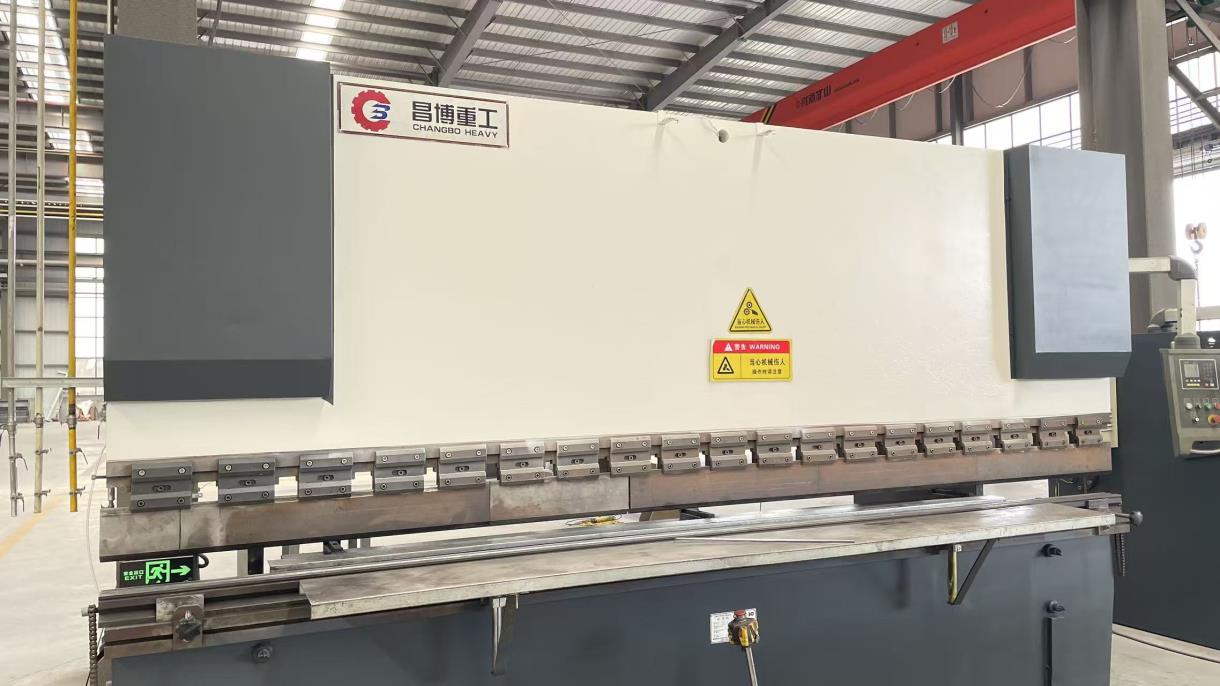
Heavy duty industrial platforms are never one-size-fits-all. Different manufacturing verticals require targeted metallurgical configurations and localized design parameters to optimize structural stability and lifespan.
In massive distribution networks, maximizing cubic volume (3D density) is vital. Multi-tier mezzanine systems built with lightweight yet strong cold-formed profiles provide staging floors for automated sorting systems, heavy conveyors, and robotic AGV arrays. For cold chain applications, steel grades are formulated with guaranteed impact energy metrics at low sub-zero levels (e.g., Q355D or S355NL at -20°C or -40°C) to prevent brittle failure under stress.
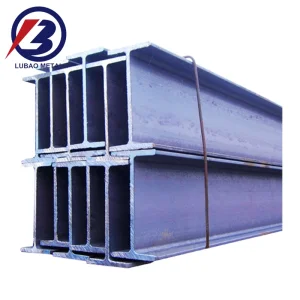
These harsh industrial spaces are plagued by highly aggressive chemical vapors, extreme ambient temperatures, and constant machinery vibrations. We design heavy platforms utilizing wide-flange H-beams (like ASTM A572 Grade 50) and heavy-duty channels, welded and reinforced with high-strength tension bolts. Galvanized bar grating panels ensure proper fluid ventilation, visual transparency, and slip protection, while a C5-I/M protective coating stops premature rusting.
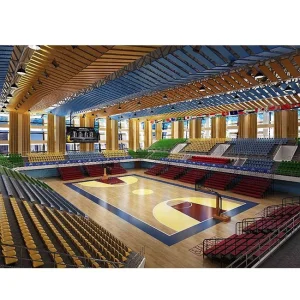
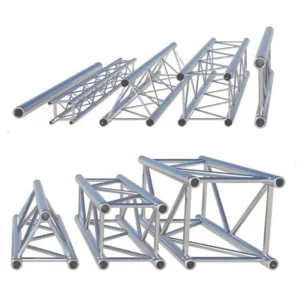
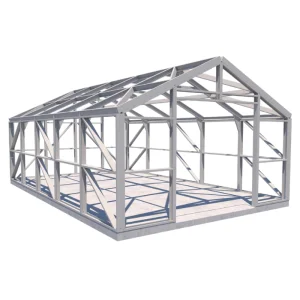
Architectural layout projects demand long structural spans with minimal column interruption. We utilize structural space frames (e.g., our BJMB prefab space frame systems) and lightweight truss designs to bridge extensive distances. This allows builders to construct massive high-headroom halls, gymnasiums, and exhibition centers that distribute loads evenly while reducing the overall steel tonnage, lowering foundational stress and overall civil engineering costs.
International industrial projects succeed or fail based on regulatory and safety compliance. Shandong Bildon Steel Co., Ltd. mitigates delivery risks by operating a comprehensive compliance verification workflow. Every fabricated structural member comes with detailed material testing reports (MTR) matching global design codes:
AICC Information Gain Note: Our QA/QC department runs independent Non-Destructive Testing (NDT), including Ultrasonic Testing (UT) on all primary penetration welds and Magnetic Particle Testing (MT) on secondary fillet joints. We certify that weld defects (such as porosity or incomplete fusion) are practically eliminated before structural components leave the factory docks.
As the steel construction sector shifts towards sustainable and intelligent practices, the technology roadmap for industrial steel platforms centers around three main technological pillars:
Modern platforms are planned as an extension of the facility's operations. Future iterations rely heavily on BIM models that feed structural loads, thermal data, and maintenance schedules directly into facility management software. This allows real-time health monitoring of heavy platform foundations and high-span trusses under dynamic operating conditions.
To reduce human error, Shandong Bildon Steel Co., Ltd. is actively scaling robotic welding stations and automated assembly-correction lines. This guarantees extreme structural precision down to sub-millimeter tolerances, speeding up field assembly and preventing installation issues.
Aligning with carbon-reduction targets, future steel projects will focus on recycled steel content and low-volatile-organic-compound (VOC) waterborne protective paints. Modular platforms are designed to be dismantled, repurposed, or fully recycled at the end of the building life cycle, minimizing environmental footprints.
Critical engineering and logistics questions answered by our senior technical consulting team.
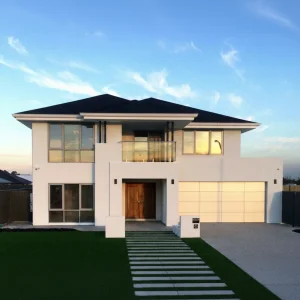
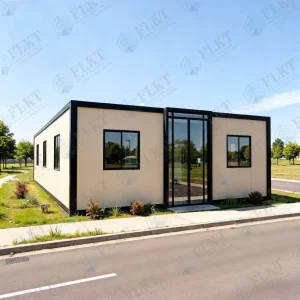
Explore our secondary structural systems, high-efficiency space trusses, prefabricated modular residential villas, and composite panels.