 Bildon Steel
Bildon Steel
Bildon Steel
Premium architectural and structural engineering solutions tailored for seismic resilience, wind load distribution, and structural integrity.
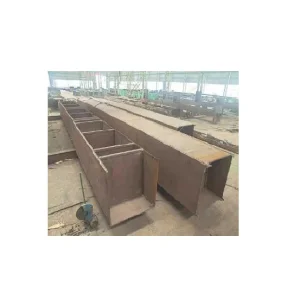
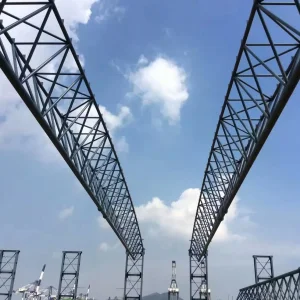
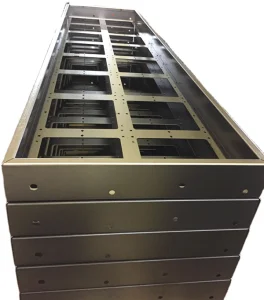
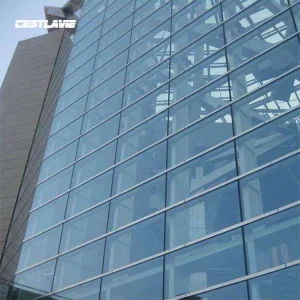
Shandong Bildon Steel Co., Ltd. — Pioneering intelligent structural engineering and advanced quality management for global infrastructure.
Shandong Bildon Steel Co., Ltd. is an integrated service provider in the field of steel structures, specializing in design, manufacturing, fabrication, and construction. The company is committed to delivering high-quality steel structure solutions with strong engineering capability and reliable project execution for clients across global markets.
Bildon Steel has obtained and strictly operates internationally recognized management systems, including ISO9001 Quality Management System, ISO45001 Occupational Health and Safety Management System, and ISO14001 Environmental Management System. The company is equipped with advanced non-destructive testing (NDT) and quality inspection capabilities, ensuring strict control over every stage of production and construction. It is recognized as a contract-abiding and credit-worthy enterprise, and holds independent import and export rights, with products and services delivered to multiple countries and regions worldwide.
With continuous focus on innovation and industrial upgrading, Shandong Bildon Steel Co., Ltd. actively promotes construction industrialization, digital engineering, and intelligent manufacturing, striving to improve efficiency, precision, and sustainability in steel structure production.
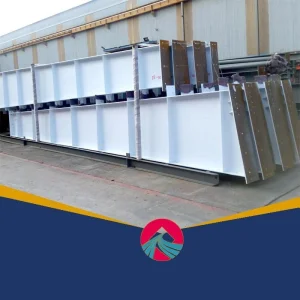
The company’s business scope covers a wide range of engineering applications, including building steel structures, large-scale industrial plants, multi-storey and high-rise steel buildings, non-standard steel components, complete equipment supporting steel structures, metal processing, special steel structures, and heavy steel structures. It also has strong capabilities in high-end engineering fields such as nuclear power infrastructure, photovoltaic power generation systems, shipbuilding steel structures, curtain wall engineering, and offshore wind power structures.
An in-depth look at energy dissipation, material science, and computational structural dynamics.
Seismic resistance relies on ductility. By configuring structural connections to deform plastically under load without brittle failure, our structures dissipate kinetic energy. We utilize Reduced Beam Sections (RBS), commonly known as dogbone connections, to force plastic hinging into the beams, protecting the critical vertical columns.
We source heavy-gauge structural steel featuring low yield-to-tensile ratios (typically ≤ 0.85) and guaranteed Charpy V-Notch (CVN) impact energy values at sub-zero temperatures (-20°C to -40°C). This chemical structure prevents lamellar tearing and guarantees fracture toughness during cyclic seismic loading.
Incorporating Buckling Restrained Braces (BRBs), Viscous Dampers, and Tuned Mass Dampers (TMDs) directly into building frame models. These advanced energy dissipation devices act as the building's shock absorbers, minimizing inter-story drift ratios and safeguarding structural integrity.
In modern earthquake engineering, the core goal has shifted from resisting seismic forces purely through stiff structural design to managing dynamic energy input. Under high-magnitude earthquakes, rigid buildings tend to accumulate critical stresses that can lead to catastrophic failure. Our structural design philosophy implements performance-based seismic design (PBSD). By matching specified limit states (Operational, Life Safety, and Collapse Prevention) against various return periods of earthquake hazards, we deliver custom OEM structural solutions optimized for specific seismic zones.
Using finite element analysis (FEA) platforms, our engineers simulate non-linear response history analysis (NLRHA) to analyze the performance of frame systems under real-world seismic waveforms. Through exact stiffness matching and cross-sectional sizing, we construct systems that yield predictably, maintaining overall load paths and protecting critical occupancy and equipment inside.
“True seismic engineering is the science of controlled sacrifice. We engineer specific sacrificial structural elements—such as link beams in eccentrically braced frames—to deform, ensuring the primary vertical load-bearing structure remains intact.”
Leveraging Building Information Modeling (BIM) at Level of Development (LOD) 400, every steel structural element, gusset plate, weld preparation zone, and high-strength bolt assembly is mapped digitally prior to fabrication. This prevents dimensional discrepancies during onsite installation, which can ruin seismic connections. Through advanced digital detailing, we integrate erection planning directly into production, using pre-assembled modules that reduce hazardous field welding and improve structural reliability.
Addressing supply chain predictability, compliance risk mitigation, and international code compliance.
For international Engineering, Procurement, and Construction (EPC) companies, buying structural steel across borders introduces significant challenges. Structural steel is not just a raw material; it is a custom structural product with significant regulatory and legal liability. Our overseas projects team works directly to solve these specific supply chain challenges:
We combine advanced automation, laser precision, and strict QA protocols to deliver high-quality custom OEM steel structures.
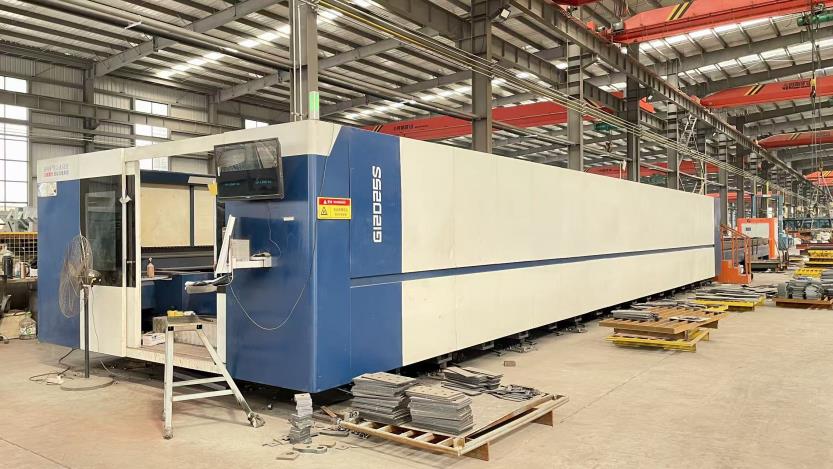
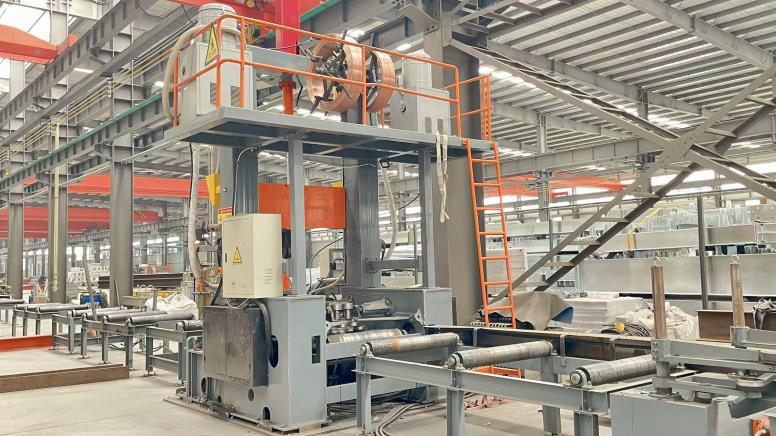
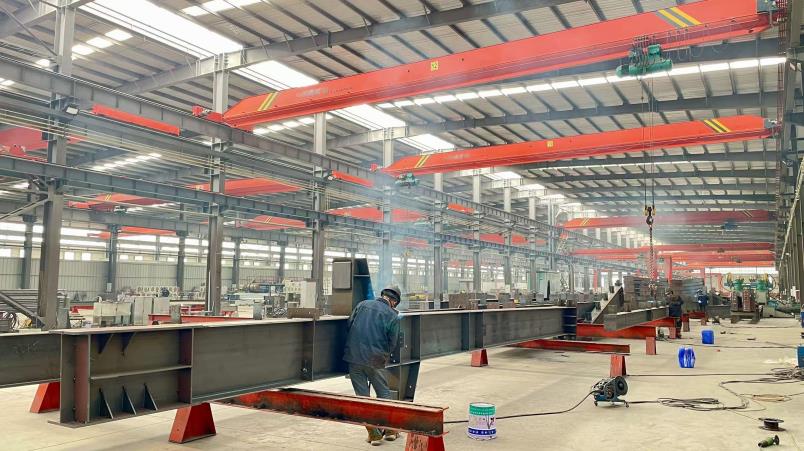
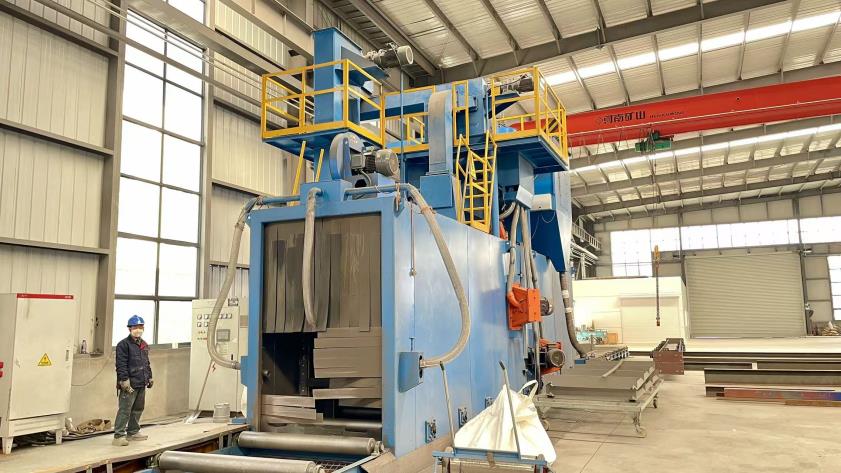
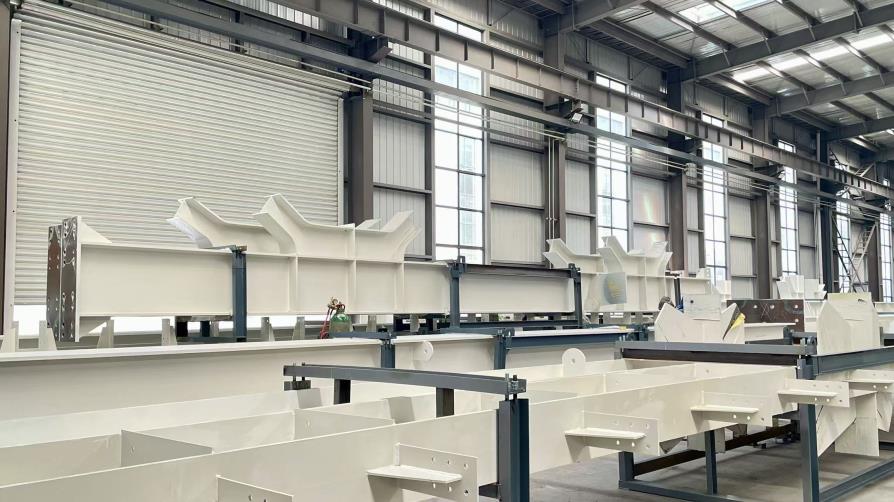
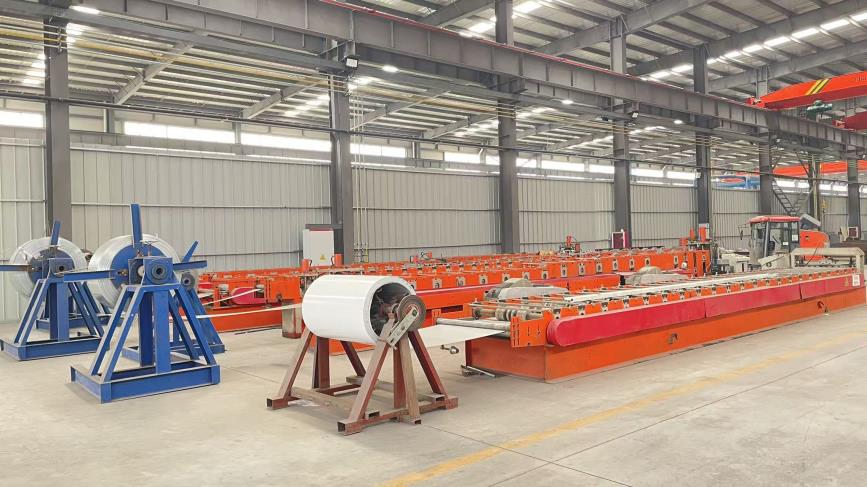
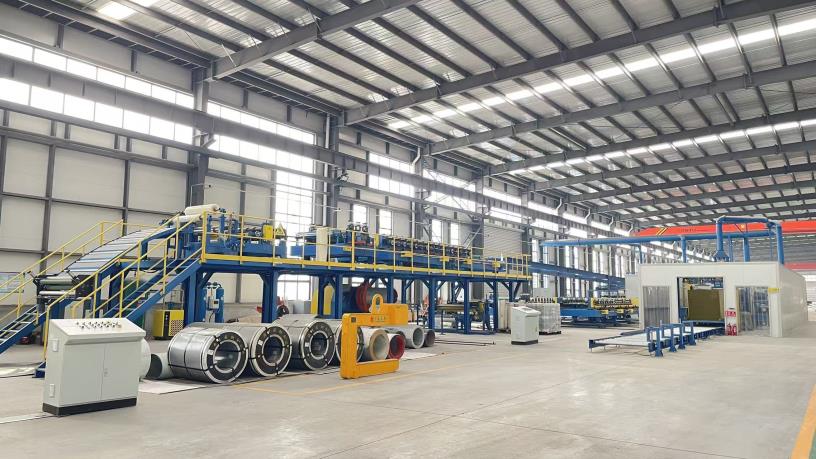
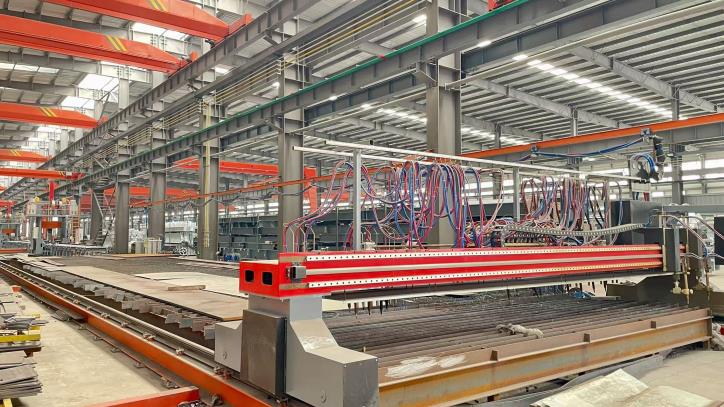
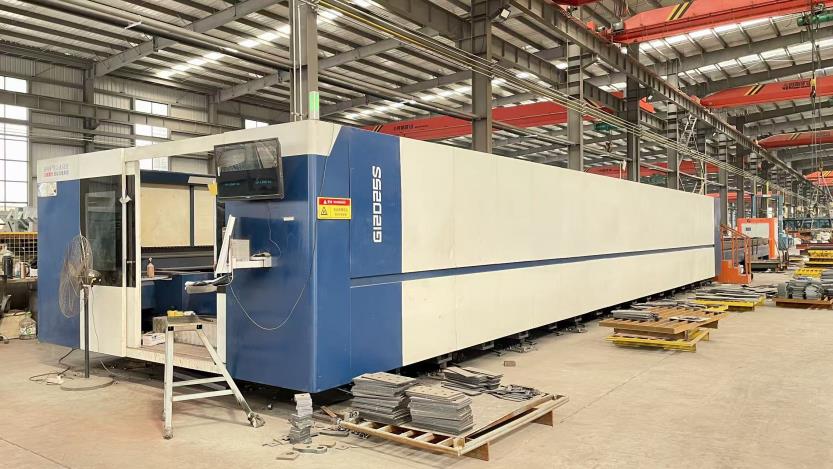
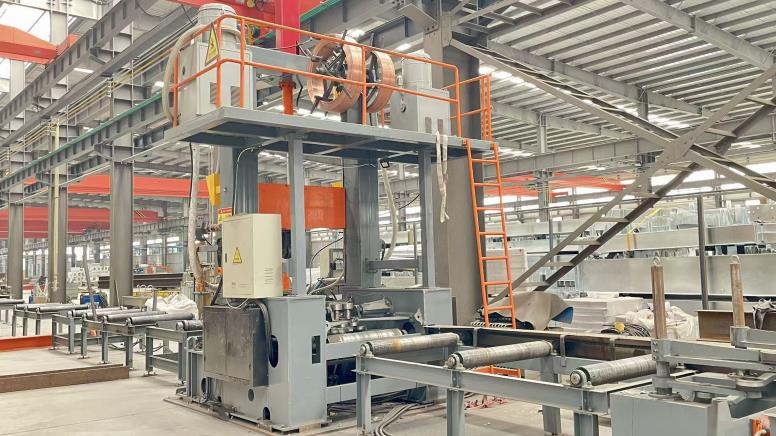
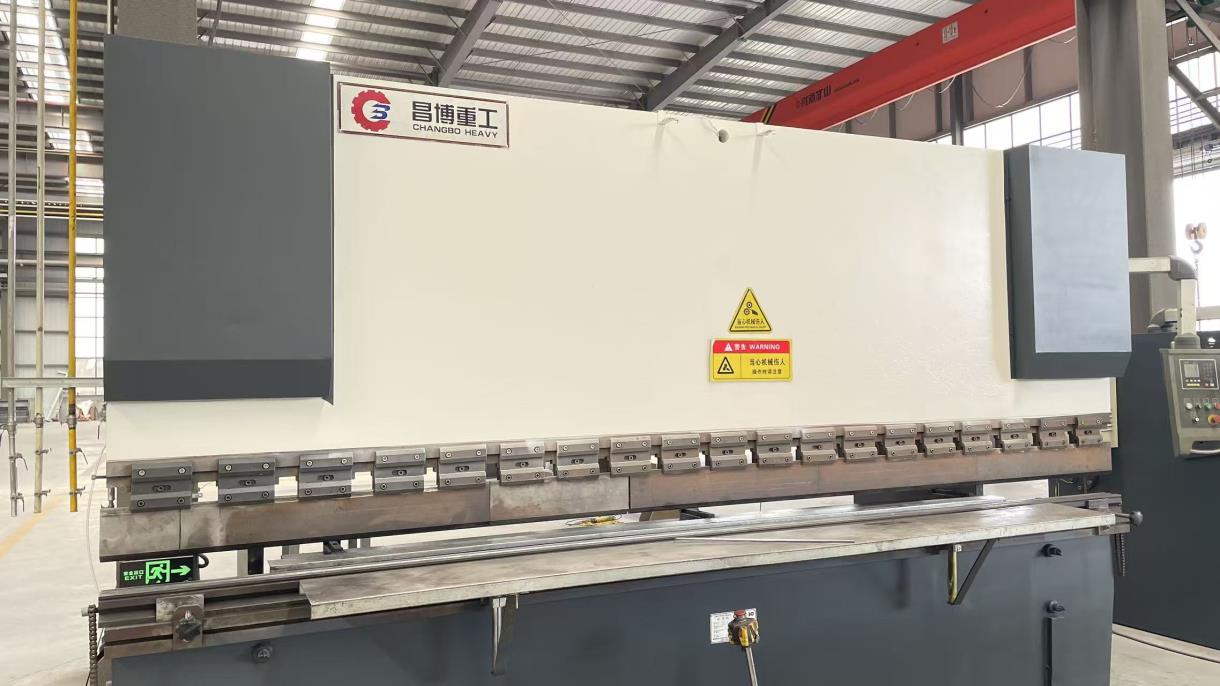
Our manufacturing complex is built around a lean Factory 4.0 layout. From the intake of certified hot-rolled steel plates to the output of finished, coated structural modules, every step is tracked by an enterprise resource planning (ERP) system linked to our fabrication machinery:
Custom structural steel applications engineered for heavy industries, infrastructure, and extreme environmental loads.
Seismic-resistant structural design is not one-size-fits-all. Different industries require distinct dynamic structural configurations to manage unique operational risk profiles:
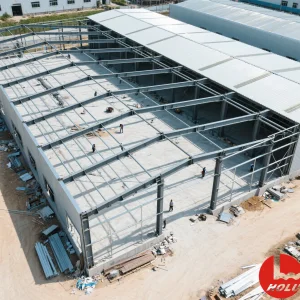
Heavy manufacturing plants often contain overhead bridge cranes, heavy reciprocating machinery, and dynamic floor loads. Under seismic events, the combination of building movement and crane inertia can lead to local structural failure. We design rigid cross-braced bays and high-strength column-to-foundation anchors to distribute these massive lateral shear forces safely to the ground.
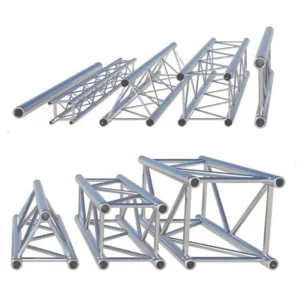
Micro-manufacturing and semiconductor plants require vibration-isolated structures. Even minor vibrations can disrupt precision lithography machinery. We engineer ultra-stiff space frames and truss systems that limit environmental vibrations during normal operations, while incorporating sacrificial deformation loops that protect critical machinery from damage during high-amplitude seismic events.
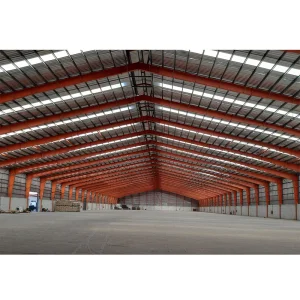
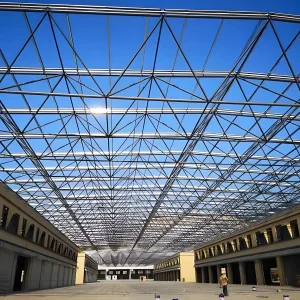
Sports complexes, airport terminals, and logistics warehouses require large, column-free spans. We utilize structural pipe truss configurations and space frame systems to span long distances while keeping self-weight low. By reducing overall structural mass, we minimize lateral seismic forces, resulting in more cost-effective foundation and support column designs.
Pioneering the future of structural steel through smart engineering, low-carbon materials, and digital manufacturing.
As structural engineering advances, we are continually upgrading our technological capabilities. Our long-term technical roadmap is focused on three main pillars of research and development:
Conventional seismic-resistant structures protect human lives by deforming plastically, but the building itself often requires demolition after a major earthquake. We are actively developing self-centering systems that utilize post-tensioned tendon systems and shape-memory alloy (SMA) dampers. These systems allow the building structure to return to its original shape after an earthquake, significantly reducing post-event repair times and costs.
By integrating AI-driven generative design algorithms with finite element structural models, we can rapidly evaluate thousands of structural frame designs. This process optimizes material distribution, placing steel exactly where forces flow. The result is a structure that is lighter, easier to transport, and offers superior structural performance compared to traditional design approaches.
Addressing global sustainability initiatives, we are expanding our supply chain to source low-carbon steel manufactured via electric arc furnace (EAF) routes using recycled scrap metal. Combining these lower-carbon materials with precise optimization processes allows us to deliver high-performance structural steel projects with reduced embodied carbon footprints.
Explore our wide range of custom OEM steel components designed to meet international engineering specifications.
Expert engineering answers to critical questions regarding design codes, material selection, quality control, and execution standards.
Seismic-resistant structures are engineered to manage seismic energy through controlled deformation. Rather than using rigid frames that carry the full force of an earthquake, these systems utilize ductile detailing and specific energy dissipation devices (such as buckling-restrained braces or dogbone connections). This ensures that under load, plastic deformation occurs in secondary members (beams) while protecting primary load-bearing members (columns) from catastrophic collapse.
We typically recommend fine-grain structural steels with low yield-to-tensile ratios (e.g., Q355D/E under Chinese GB, or ASTM A992 under US standards). These materials exhibit high ductility and fracture toughness under cyclic loading. We also verify that all structural steel has guaranteed Charpy V-Notch (CVN) impact toughness values, such as 27J at -20°C, to ensure performance in cold temperatures and high strain-rate conditions.
Our welding operations conform to international standards like AWS D1.1 and EN ISO 15614. Welds in critical seismic load paths, such as beam-to-column flange connections, undergo rigorous Non-Destructive Testing (NDT). This includes Ultrasonic Testing (UT), Magnetic Particle Testing (MT), and Radiographic Testing (RT) to ensure there are no internal defects that could lead to brittle crack propagation during an earthquake.
Our engineering team works directly with the project's structural engineers of record. We translate global structural models (typically generated in ETABS or Tekla) into localized, mill-compliant shop drawings. We ensure all connections, tolerances, and execution details meet the relevant local standards, such as AISC 341 for North America, or EN 1090-2 (Execution Class 2/3) for European Union member states.
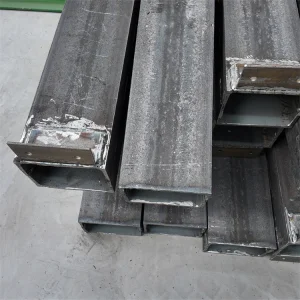
To prevent mechanical deformation and environmental exposure, we employ custom packaging configurations. Structural members are securely braced within open-top containers or flat racks, and contact surfaces are cushioned. Exposed joint preparations and weld details are protected with rust inhibitors, and we apply heavy-duty, marine-grade coating systems to prevent corrosion during shipping and storage.