Bildon Steel Bildon Steel

High-Rise Steel Buildings: Factories & Exporters for the Chicago Market

Engineered for Wind Loads, Code Compliance, and Accelerated Erection Timelines

Chicago Market & Global High-Rise Steel Construction Landscape

Understanding structural engineering requirements and macroeconomic trends

Chicago’s High-Rise Commercial and Industrial Outlook

Chicago, historically recognized as the birthplace of the modern skyscraper, demands the highest standards of structural integrity and engineering innovation. Current commercial development across the Loop, Fulton Market, and adjacent submarkets continues to shift from traditional concrete framing to high-performance, prefabricated structural steel frameworks. This pivot is driven by several local variables:

  • Severe Wind Loadings: The proximity to Lake Michigan creates complex microclimate wind patterns. High-rise projects require advanced structural steel designs, utilizing Outrigger Systems, Moment Resisting Frames (MRF), and Braced Frames to control drift and ensure serviceability under ASCE 7 wind load provisions.
  • Rigid Chicago Building Code (CBC) Standards: Chicago maintains distinct regional code regulations alongside IBC alignment. All structural steel elements, from columns (ASTM A992 / Grade 50) to connection details, must pass stringent local structural peer reviews and meet specific fireproofing hourly ratings.
  • Dense Urban Logistics: Erection in downtown Chicago requires Just-in-Time (JIT) delivery. Prefabricated bolted steel connections eliminate on-site welding, significantly decreasing crane operational time, minimizing street closures, and reducing high local labor costs.

Global High-Rise Fabricated Steel Supply Chains

On a global scale, the structural steel market is undergoing a transition toward centralized off-site manufacturing and global export models. Fabricators with heavy structural capability and international certifications (such as AISC, EN 1090, and ISO) are bridging the gap between high domestic steel fabrication costs in North America and developers' budgetary constraints.

By leveraging advanced industrial bases in East Asia, exporters like Shandong Bildon Steel Co., Ltd. can optimize structural engineering, utilize state-of-the-art CNC plate processors, and run automated multi-wire submerged arc welding systems. This ensures that the fabricated structural components arrive in Chicago port facilities or rail yards fully pre-fit, coded, and ready for immediate erection, dramatically lowering the overall cost-per-square-foot of commercial projects.

30%+
On-Site Erection Speedup
ASTM A992
Standard Grade Steel Used
ISO 9001
Certified Quality Management
Zero
On-Site Hot Works Required

Leading-Edge Steel Fabrication Capabilities

Introducing Shandong Bildon Steel Co., Ltd. — Engineering Precision

Shandong Bildon Steel Co., Ltd. is an integrated, highly advanced service provider in the global structural steel industry, specializing in design, manufacturing, fabrication, and complex multi-disciplinary construction. The organization is dedicated to delivering heavy structural engineering solutions, maintaining robust project management methodologies, and executing high-precision fabrication for demanding commercial and infrastructure projects in the Chicago metropolitan area and globally.

Bildon Steel operates under strict compliance with internationally recognized management structures, including the ISO9001 Quality Management System, ISO45001 Occupational Health and Safety Management System, and ISO14001 Environmental Management System. The fabrication facilities are equipped with industry-leading Non-Destructive Testing (NDT) capabilities (including ultrasonic, magnetic particle, and radiographic testing) to verify the integrity of all welded joints. As an organization with independent import and export rights, Bildon Steel regularly ships heavy steel structures, high-rise frames, and complex industrial systems to major ports across North America, Europe, and Asia-Pacific.

Actively pushing the boundaries of construction industrialization, the company incorporates digital engineering, Building Information Modeling (BIM - Tekla Structures), and intelligent manufacturing workflows. This high-degree integration guarantees that every column, beam, truss, and connection plate corresponds exactly to the engineered design specifications, ensuring seamless field assembly.

The company’s diverse structural portfolio includes: building steel structures, heavy-duty industrial processing plants, multi-storey and high-rise commercial structures, non-standard structural steel components, custom modular equipment platforms, specialized heavy steel fabrication, and structural systems for nuclear power, photovoltaic solar arrays, offshore wind power foundations, and high-performance curtain wall supports.
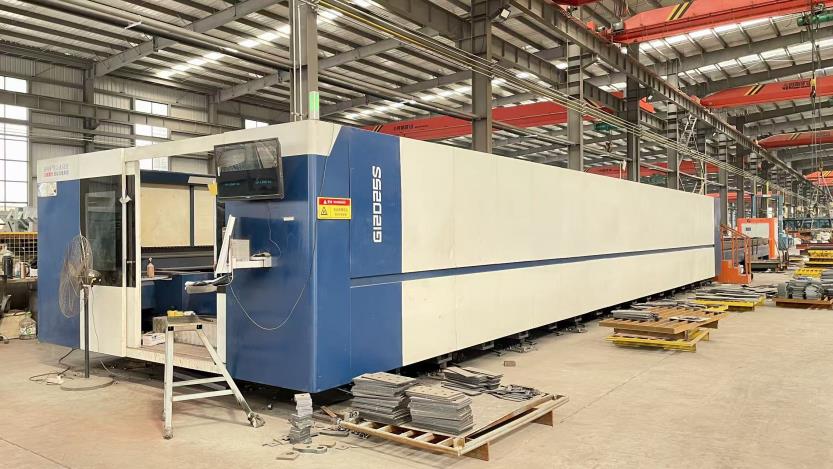
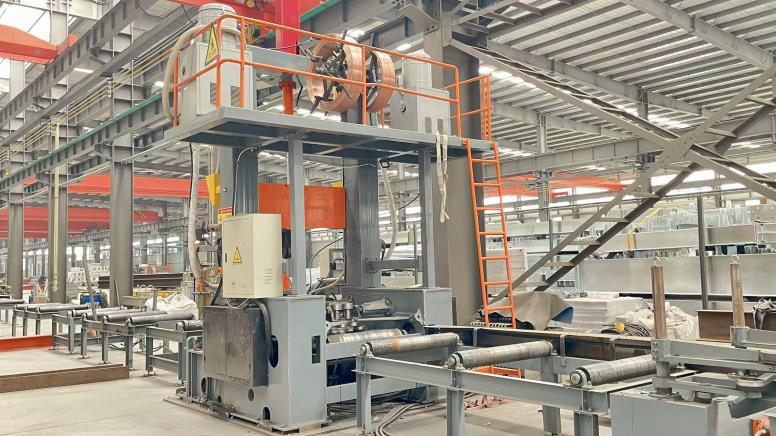
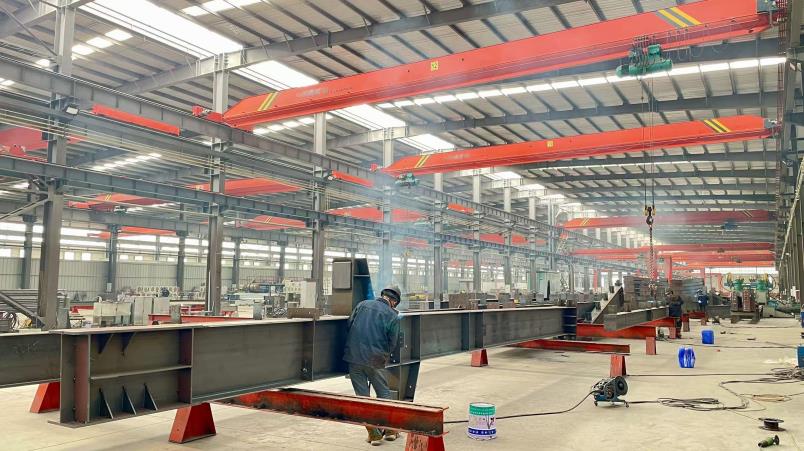
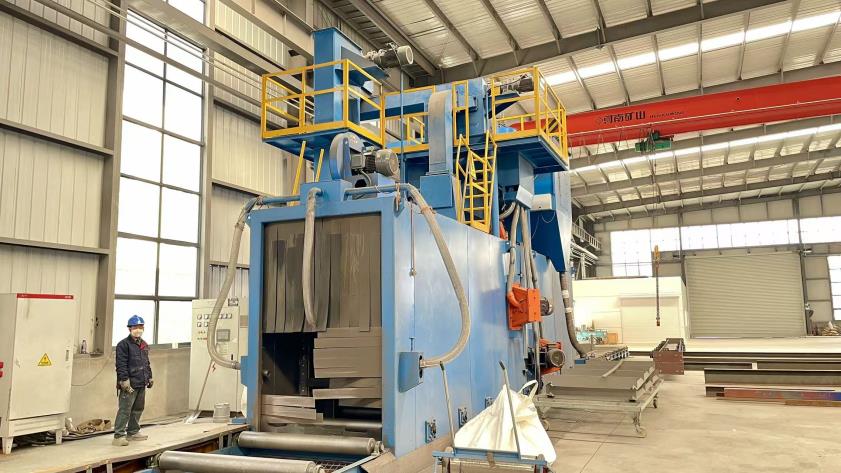
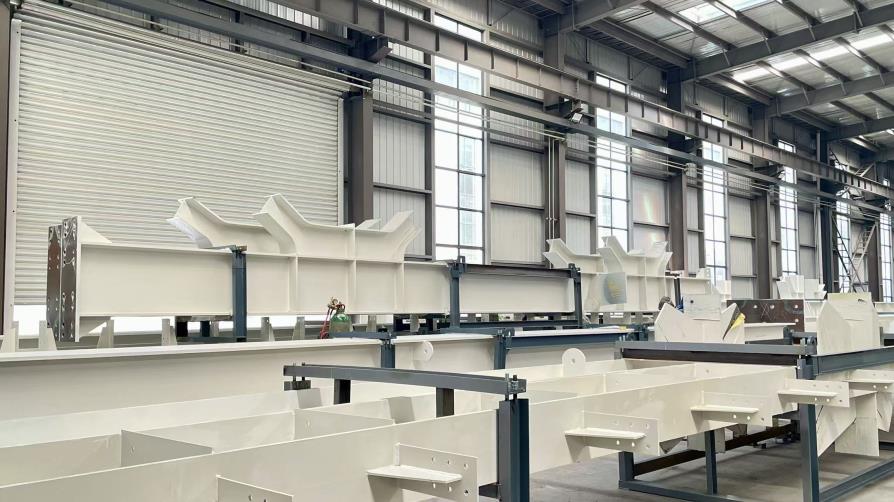
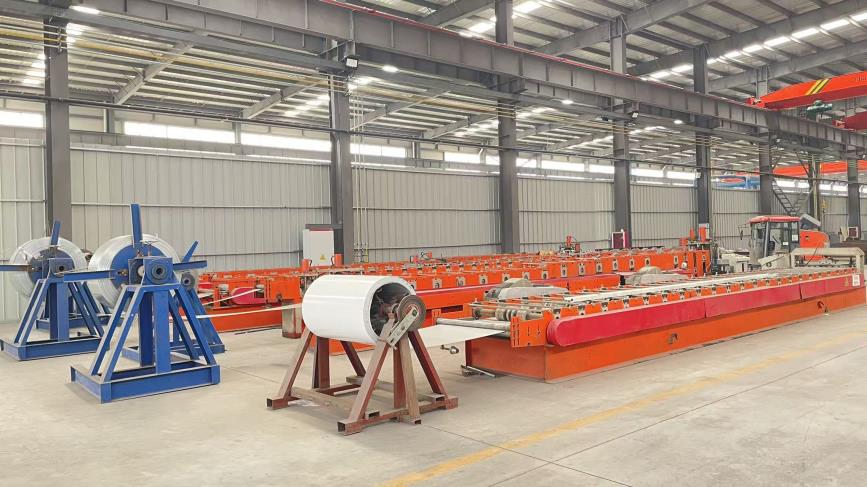
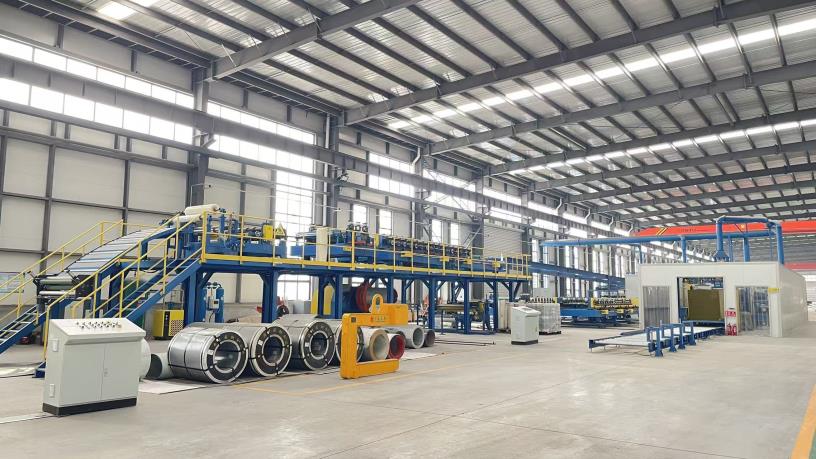
Our Integrated Manufacturing & Production Facility

High-speed Plate and Section Steel Cutting
High-Speed CNC Cutting
Heavy Section Assembly Welding Correction
Assembly Welding Correction
Automated Submerged Arc Welding Station
Heavy Structural Welding
Surface Polishing and Grinding Department
Polishing and Grinding
Controlled-Environment Painting Area
Industrial Coating & Painting
Profiled Metal Sheet Forming Lines
Profiled Sheet Forming
Composite Plate Automated Production Line
Composite Plate Line
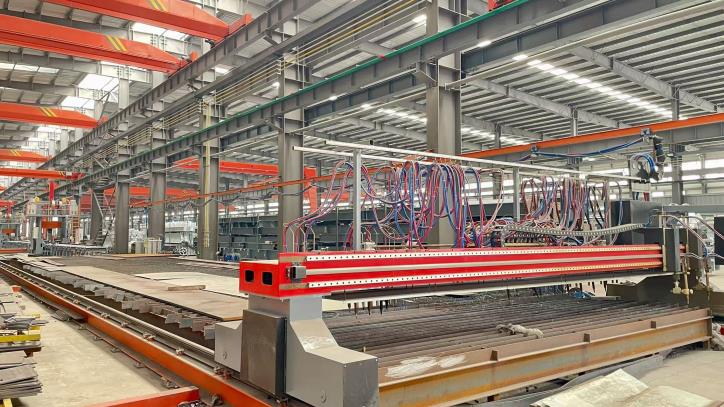
Heavy CNC Flame Cutting Machinery
Flame Cutting Machine
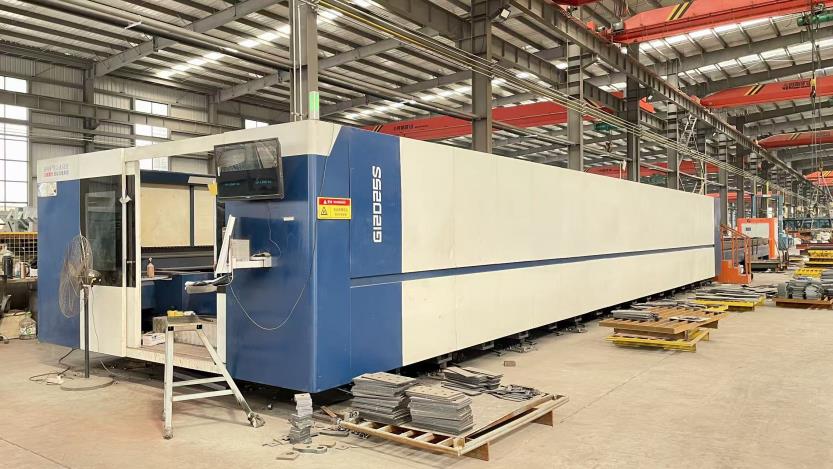
Fiber Laser Cutting Station
Laser Cutting Machine
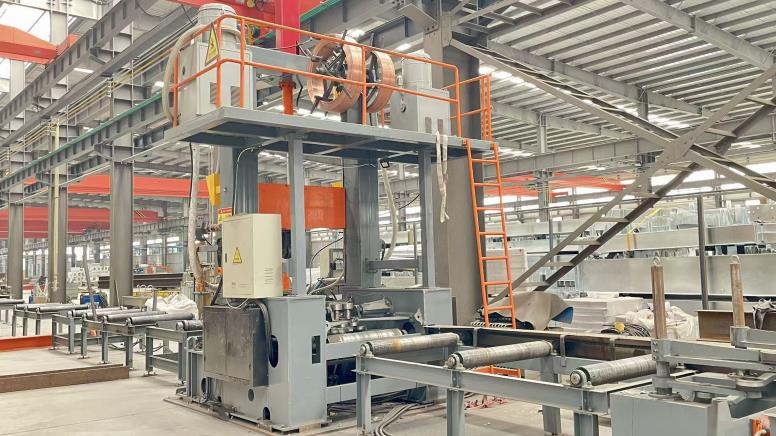
Integrated Structural H-Beam Assembly and Rectification
Integrated Assembly Machine
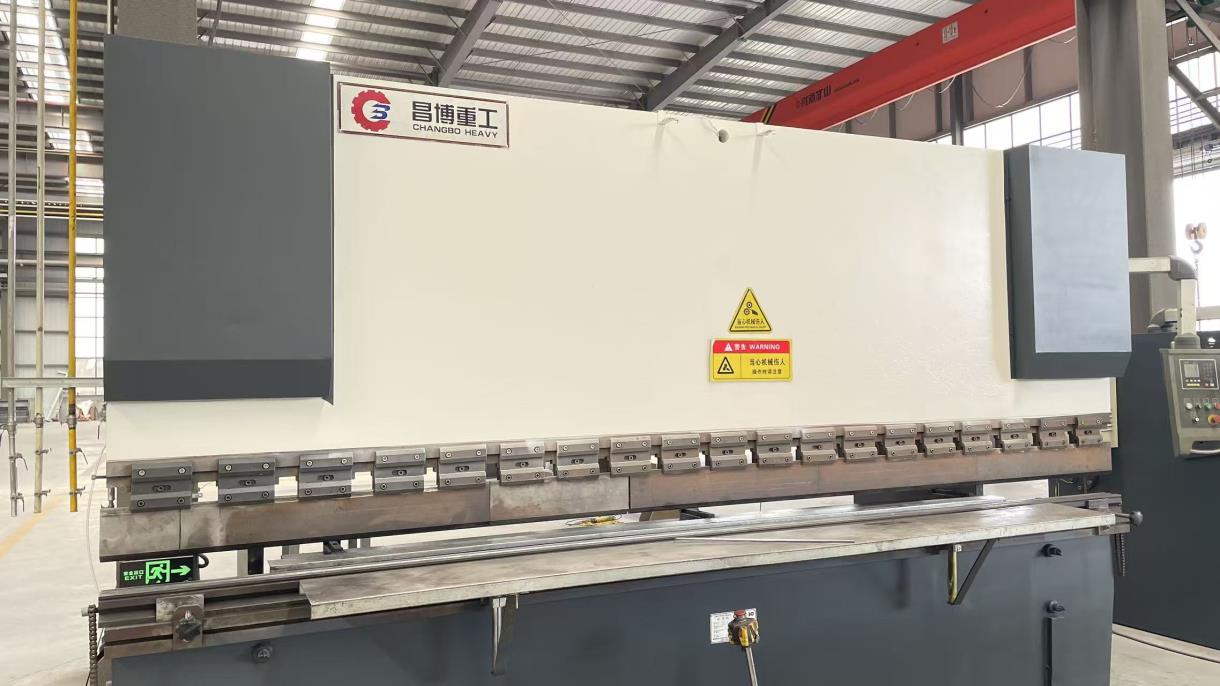
Heavy Hydraulic Plate Bending Equipment
Precision Bending Machine

Technological Roadmap & Future Trends

Sustainable, Smart, and Highly Optimized High-Rise Steel Construction

1. Advanced Green Steel & LEED v4

The carbon footprint of modern high-rises is under intense regulatory scrutiny. Future projects in the Chicago Loop will leverage green steel manufactured using Electric Arc Furnaces (EAF) powered by renewable energy. Prefabricated steel components inherently support LEED accreditation by maximizing recycled content, enabling structural optimization to reduce raw material mass, and allowing for structural dismantling and circular recycling at end-of-life.

2. Parametric & Generative BIM Designs

By combining parametric modeling tools (such as Grasshopper) with structural analysis software, engineering teams can automatically determine the most efficient frame configuration to counteract localized wind shear forces off Lake Michigan. Generative design routines compute thousands of geometric configurations for H-beam dimensions, column spacing, and connection thickness to minimize steel volume while guaranteeing seismic and lateral stability.

3. High-Strength Steel Grades

The transition from traditional Grade 36 and Grade 50 steel to high-strength alloys (such as ASTM A913 Grade 65 or Grade 70) represents the next frontier in tall building engineering. Using these advanced structural steels reduces column cross-sections, increases leaseable floor areas, minimizes overall structural dead weight, and yields substantial savings in deep foundation construction costs.

Macro Structural Solutions for Chicago’s Urban Grid

System-level engineering designed to optimize cost, structural performance, and code compliance

To address the specific economic and geographic demands of building in major midwestern metropolitan areas, structural designers must adopt a holistic, system-level design strategy. Standardized, multi-tiered structural solutions are critical:

  • Optimized Lateral Force-Resisting Systems (LFRS): High-rise projects utilize core braced frames coupled with peripheral moment frames. This dual system provides redundant load paths to withstand extreme wind loading and seismic events, keeping lateral drift within the strict H/500 limits.
  • Pre-engineered Floor Decking Assemblies: Combining structural steel beams with profiled composite metal decks and shear studs results in a lightweight, high-capacity floor system. This approach speeds up construction cycles to a floor-per-week rate and reduces concrete volume.
  • Intelligent Fire Protective Coating Integration: Shop-applied intumescent or cementitious fireproofing materials reduce field-application labor, ensure clean sites, and comply with UL and ASTM E119 fire endurance requirements.

Engineering Project Delivery Pipeline

1. BIM Model & Detailing: Complete integration of design schematics into Tekla for precise fabrication detailing.
2. Material Sourcing: Procurement of ASTM-certified plates and shapes.
3. Shop Fabrication & Weld NDT: Automatic cutting, assembly, welding, and 100% NDT inspection of critical structural joints.
4. Surface Prep & Coatings: Blasting to SSPC standards and applying specialized primer systems.
5. Logistics Coordination: Containerized or break-bulk shipping scheduled for JIT delivery directly to Chicago sites.

Heavy Structural Steel & Prefabricated Building Portfolio

Engineered structural steel systems optimized for multi-family, commercial, and heavy industrial applications
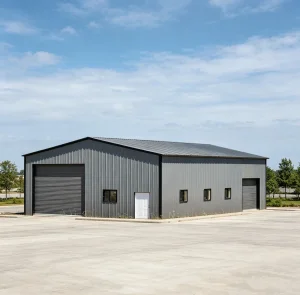
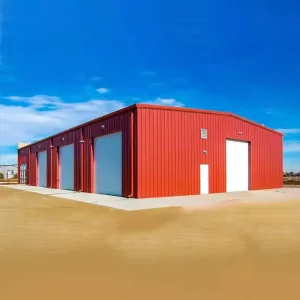
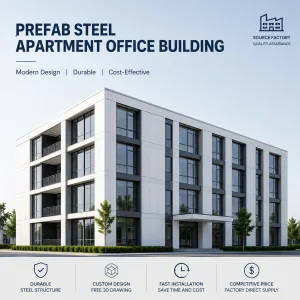
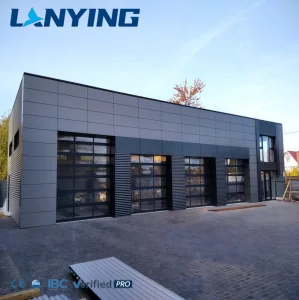
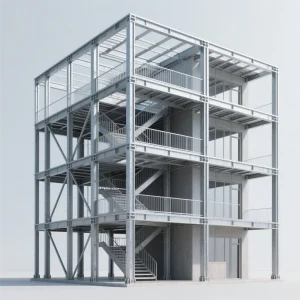
Prefab Multi-storey Steel Structure Building Two Story Steel Structure Warehouse Commercial High-Rise Steel Structure Buildings Prefabricated Steel Office & Retail Complex China Steel Structure Supplier Prefab Steel Residential Commercial Hall Three Storey Office Buildings Steel Structure Prefabricated School Building Hospital Attractive Price Time-Saving Hard Industrial High Rise Building Steel Structure with Durable Design

Technical Q&A: High-Rise Steel Procurement & Erection

Frequently asked questions by structural engineers, developers, and project managers in the Chicago market

1. How do structural steel frames from Shandong Bildon Steel meet the specific wind load criteria of the Chicago Building Code?
All high-rise structural projects destined for the Chicago market undergo comprehensive structural FEA (Finite Element Analysis) modeling aligned with ASCE 7-16 (Minimum Design Loads and Associated Criteria for Buildings and Other Structures) and the Chicago Building Code. We design and fabricate our frames using high-yield structural steel members capable of forming Moment Resisting Frames (MRF) or Buckling-Restrained Braced Frames (BRBF) to manage wind shear, base shear, and lateral drift. Our design calculations are provided in detailed submittal packages for local structural peer reviews.
2. What specific ASTM steel grades are used in your high-rise structures?
We fabricate columns and heavy load-bearing structural members primarily from ASTM A992 (Grade 50) steel, which offers excellent yield strength, ductility, and weldability. For structural plates and connection gussets, we utilize ASTM A572 Grade 50 or Grade 60. For architectural sections or secondary framing, ASTM A36 is utilized. Mill test certificates (MTC) stating the chemical composition and mechanical properties are supplied for every batch of raw material used.
3. How are bolted prefab connections managed to eliminate on-site welding?
To minimize expensive field labor and complex field weld inspections in Chicago, we design high-precision bolted connections. All splice plates, connection brackets, and column joints are pre-drilled at our factory using CNC multi-spindle drilling lines. Field assembly relies on high-strength structural bolts (such as ASTM F3125 Grade A325 or A490) using tension-control configurations, ensuring rapid, reliable erection without the need for hot-work permits or on-site ultrasonic inspection.
4. What quality management systems and certifications does Shandong Bildon Steel hold?
Our manufacturing facilities are certified to international standards, including ISO 9001 (Quality Management), ISO 14001 (Environmental Management), and ISO 45001 (Occupational Health & Safety). Our welding personnel are qualified to AWS D1.1 (Structural Welding Code—Steel) and European standards. Our internal quality assurance department conducts 100% visual inspection of all welds and performs Non-Destructive Testing (NDT) using ultrasonic testing (UT) and magnetic particle testing (MT) to ensure flaw-free fabrication.
5. How are shipping logistics and Just-in-Time (JIT) deliveries coordinate for downtown Chicago job sites?
We have dedicated logistics teams that package fabricated elements into ocean freight containers or break-bulk vessels. Structural columns and trusses are coded with matching IDs corresponding to erection sequences. We coordinate closely with Chicago freight forwarders and customs brokers to manage transport from port facilities to local storage yards or directly to the construction site. This JIT pipeline minimizes storage footprints in dense downtown areas.
6. What anti-corrosion and fire protection surface treatments are applied to exported steel?
Prior to painting, all steel is blast-cleaned to SSPC-SP6 (Commercial Blast Cleaning) or SSPC-SP10 (Near-White Metal Blast Cleaning) standards to ensure proper paint adhesion. We apply high-performance epoxy zinc-rich primers, followed by polyurethane or acrylic intermediate coats. For fire protection, members can receive shop-applied intumescent coatings, or they can be prepared to receive site-applied cementitious fireproofing materials to meet strict Chicago code requirements (typically 2 to 4 hours of fire resistance).
7. Can you integrate Building Information Modeling (BIM) files from local US architectural and engineering teams?
Yes. Our engineering department uses Tekla Structures and AutoCAD. We import native Revit models, IFC files, or CIS/2 files from US designers. This ensures complete digital alignment, helping us identify structural conflicts and design issues before the steel is cut. Any necessary adjustments are reviewed and approved by the project's Engineer of Record (EOR) before fabrication begins.
8. What are the typical lead times for high-rise steel buildings intended for export?
Lead times depend on the scale and complexity of the project. Generally, detailing and engineering approval take 4 to 8 weeks. Fabrication takes another 8 to 12 weeks, followed by 4 to 5 weeks of ocean transit to North American ports. By optimizing the design-to-fabrication pipeline and utilizing automated CNC manufacturing lines, we can compress overall project timelines by up to 20-30% compared to traditional field-fabricated workflows.

Accelerate Your Next High-Rise Project

Leverage global engineering expertise, strict ISO quality control standards, and advanced prefabrication workflows to optimize your steel structural designs. Contact our technical team today for a comprehensive estimate and structural feasibility analysis.