 Bildon Steel
Bildon Steel
Bildon Steel
Engineered to comply with Eurocode 3 standards, these solutions offer rapid execution, optimized structural efficiency, and high design flexibility.
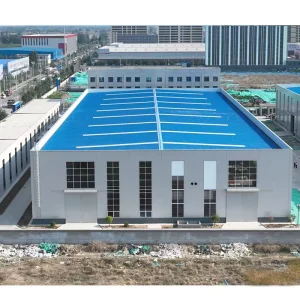
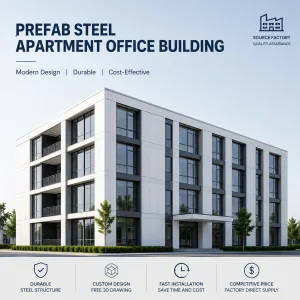
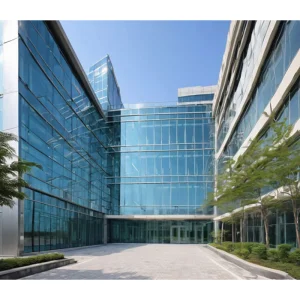
Portugal is experiencing a major architectural and engineering transition. Driven by strict EU climate goals, metropolitan density challenges in Lisbon and Porto, and the rapid growth of industrial zones like Sines and Aveiro, structural steel is rapidly replacing traditional concrete in high-rise, commercial, and industrial projects. The key driving force behind this change is structural efficiency paired with seismic resilience.
Unlike Central Europe, Portugal lies in a high seismic hazard zone, particularly in its southern region and the Azores. Consequently, structural engineering in Portugal is governed by strict regulations, specifically the Eurocode 8 (EN 1998) standards for earthquake-resistant design. Steel structures naturally offer a distinct advantage here due to their exceptional ductility and high strength-to-weight ratio. By reducing the overall self-weight of high-rise structures, structural steel minimizes seismic inertial forces, allowing for safer, taller, and more expressive architectural designs.
Under seismic loads, structural steel frames with ductile detailing (such as Moment-Resisting Frames or Braced Frames) can absorb and dissipate energy through controlled plastic deformation. This prevents catastrophic structural failure and ensures life safety. Compared to concrete, structural steel buildings reduce foundation loads by up to 40%, drastically lowering excavation and foundation costs in challenging soils found near Lisbon's Tagus estuary.
In addition to seismic safety, speed of construction is crucial. In urban centers like Lisbon, site logistics are complex, space is limited, and traffic disruptions must be minimized. Prefabricated bolted steel buildings solve these issues. Components are manufactured under strict factory conditions, shipped directly to site, and assembled quickly with minimal noise, dust, and onsite waste. This accelerated timeline results in a much faster return on investment for developers.
Why structural steel is the preferred medium for modern Portuguese developments.
The global steel industry is evolving from simple fabrication to advanced digital manufacturing. The technical roadmap for modern steel structures is built on three core pillars: BIM (Building Information Modeling) integration, DFMA (Design for Manufacture and Assembly) principles, and low-carbon manufacturing.
At Shandong Bildon Steel, our engineering pipeline starts with highly detailed 3D BIM models. This ensures that every beam, column, connection plate, and bolt hole is modeled to sub-millimeter precision before fabrication begins. By sharing these models with MEP (Mechanical, Electrical, and Plumbing) contractors, we eliminate onsite clashes, resolve spatial conflicts early, and guarantee a seamless installation process.
Every structure is digitally assembled beforehand. Tekla Structures models generate precise shop drawings and direct CNC instruction files (DSTV), eliminating human conversion errors.
Design for Manufacture and Assembly minimizes onsite welding, replaces complex joints with standard high-strength bolted connections, and optimizes shipping container space.
Aligned with Portugal's carbon neutrality target (Roteiro para a Neutralidade Carbónica 2050), structural steel is fully recyclable, promoting circular construction.
The future of high-rise construction lies in hybrid structures. By combining structural steel frames with composite concrete floors, we maximize the strengths of both materials. Structural steel provides tension capacity and speed, while concrete slab elements supply compression resistance and acoustic insulation. This hybrid approach is ideal for multi-storey residential projects, hotels, and institutional facilities throughout mainland Portugal and the islands.
Exporting structural steel components to Portugal requires strict adherence to European Union directives and local regulations. All structural steel elements supplied by Shandong Bildon Steel Co., Ltd. conform to the strict requirements of EN 1090-2 (Execution of steel structures) and carry the necessary CE markings. This certification is crucial for gaining approval from Portuguese municipal councils (Câmaras Municipais) and safety inspectors.
Our engineering division systematically applies the National Annexes of Portugal for both Eurocode 3 (Design of steel structures) and Eurocode 8 (Design of structures for earthquake resistance). This guarantees that wind load calculations, thermal movement tolerances, and seismic safety coefficients match the exact geological coordinates of your project.
| Standard/Directive | Target Element | Compliance Details |
|---|---|---|
| EN 1993 (Eurocode 3) | Structural Steel Design | Ultimate Limit State (ULS) & Serviceability Limit State (SLS) calculations including structural stability and connections. |
| EN 1998 (Eurocode 8) | Seismic Design | Calculation of seismic performance for Lisbon (Zone 1.3/1.4) and southern Portugal, incorporating ductile detail design. |
| EN 1090-1 / EN 1090-2 | Fabrication Quality Control | CE marked structural components up to Execution Class EXC3, indicating suitability for high-rise and dynamically loaded structures. |
| ISO 9001 / ISO 45001 | Operational Quality & Safety | Guaranteed fabrication consistency, material traceability, and safe working conditions during fabrication. |
| EN ISO 3834-2 | Welding Quality Assurance | Comprehensive quality requirements for fusion welding of metallic materials, ensuring joints meet strict safety thresholds. |
Additionally, we supply complete material traceability documentation (EN 10204 Type 3.1 Mill Test Certificates) for all steel plates, sections, and structural hardware. This transparent documentation process ensures hassle-free customs clearance at major Portuguese ports, including Leixões (Porto) and Sines.
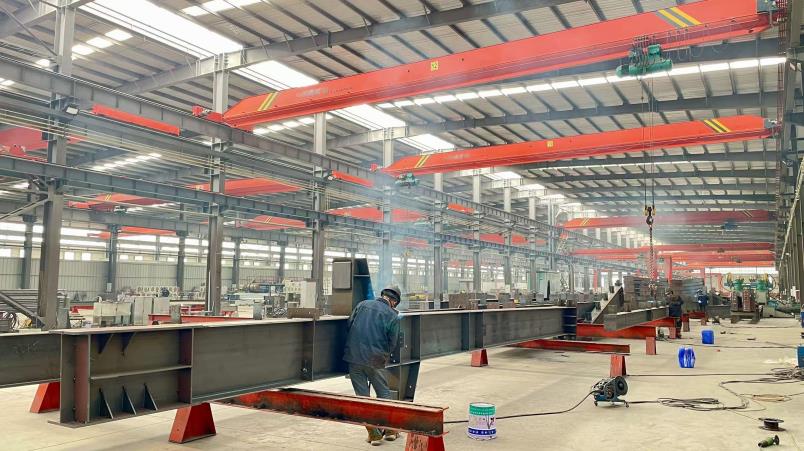
Shandong Bildon Steel Co., Ltd. is a leading integrated service provider in the steel structure sector. We specialize in engineering design, precision manufacturing, custom fabrication, and construction logistics. By upgrading our facilities to meet Industry 4.0 standards, we offer international clients a highly reliable supply chain, consistent production speeds, and excellent quality control.
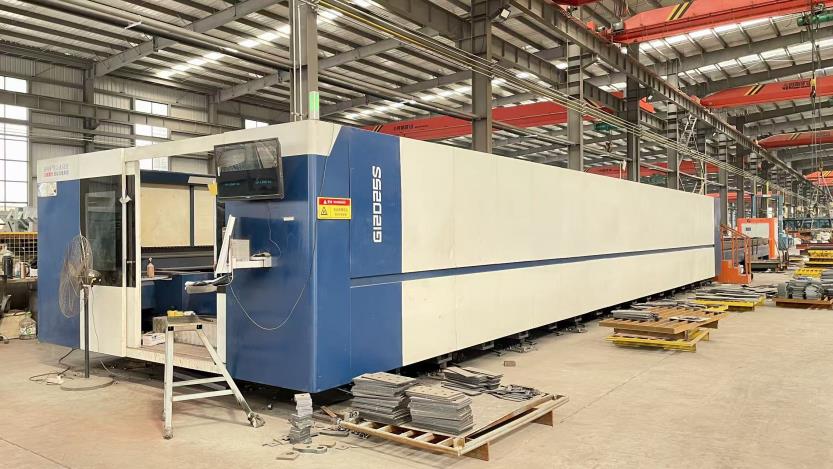
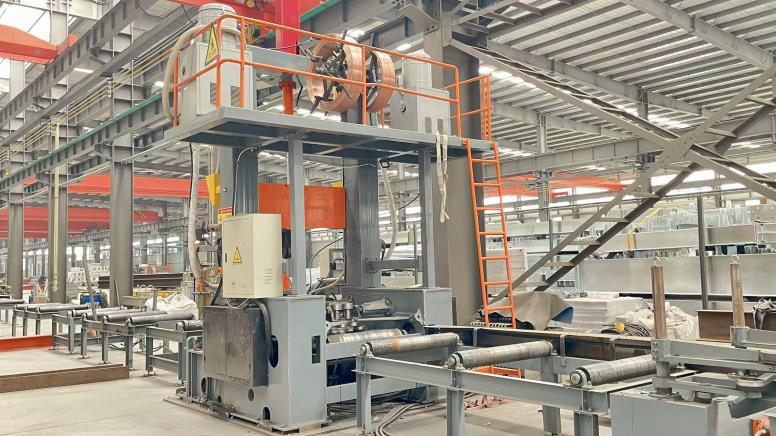
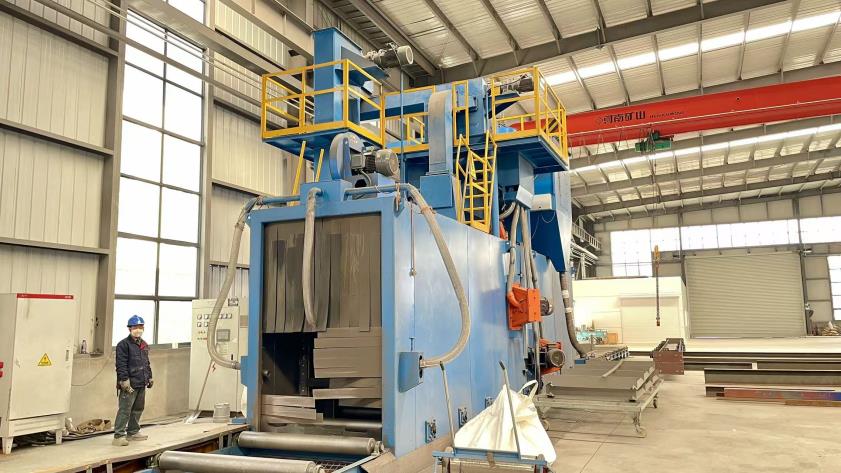
Our manufacturing complex is equipped with state-of-the-art automation. This includes heavy-duty CNC laser cutting systems, automatic welding and assembly lines, specialized plate bending machines, and modern surface treatment systems. By automating these core processes, we achieve high accuracy, eliminate manual errors, and accelerate lead times for complex, high-rise structural components.
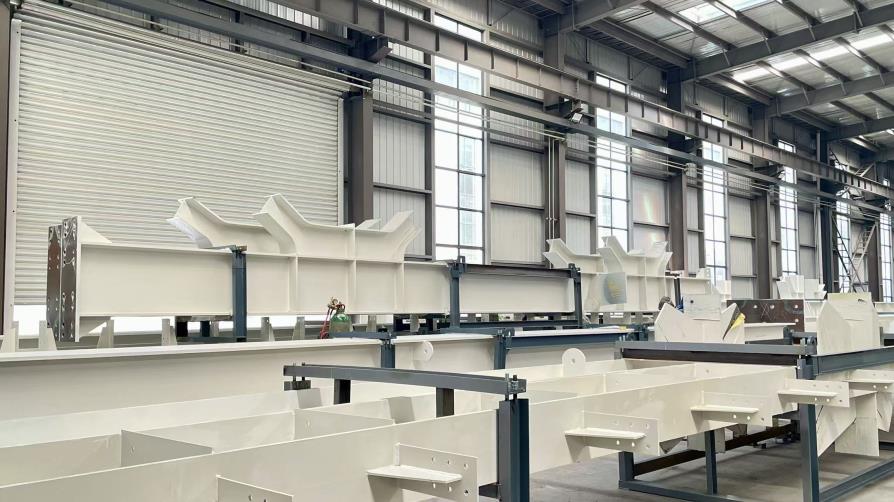
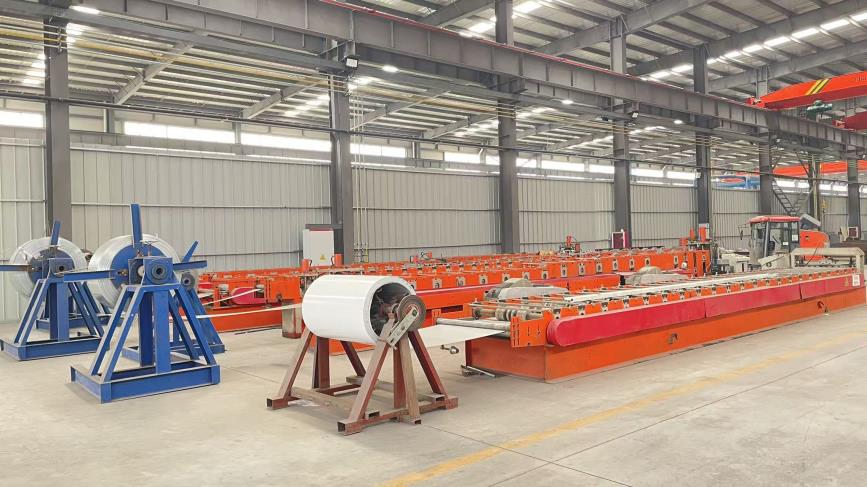
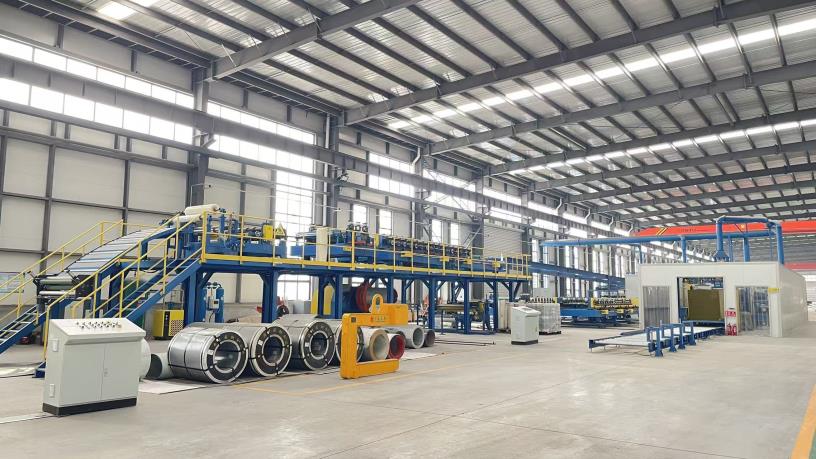
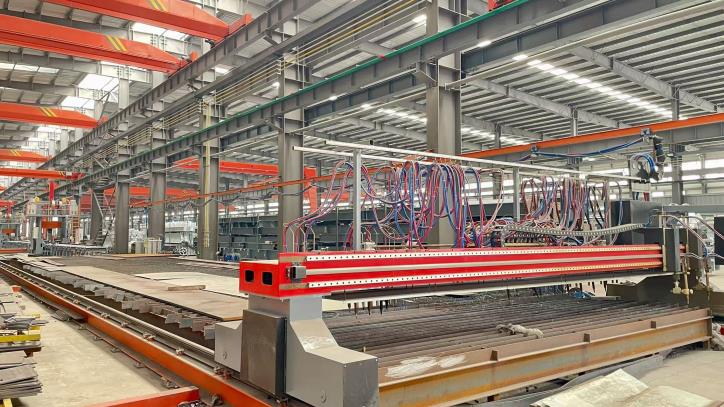
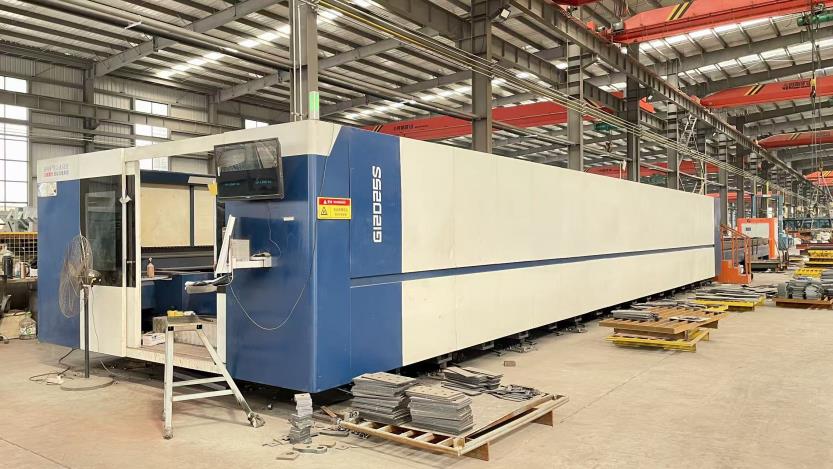
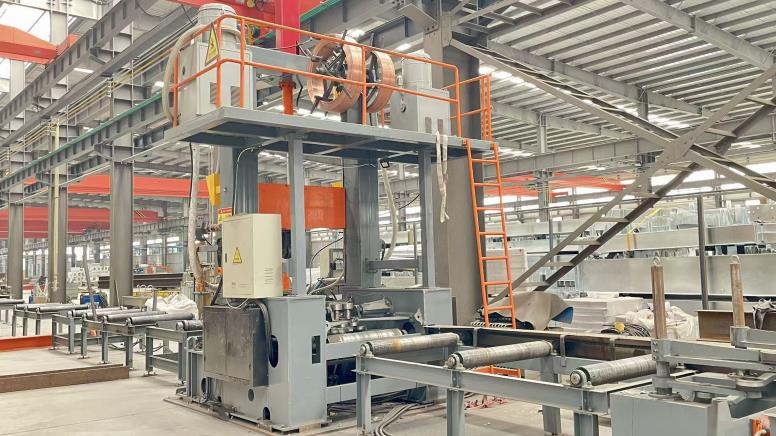
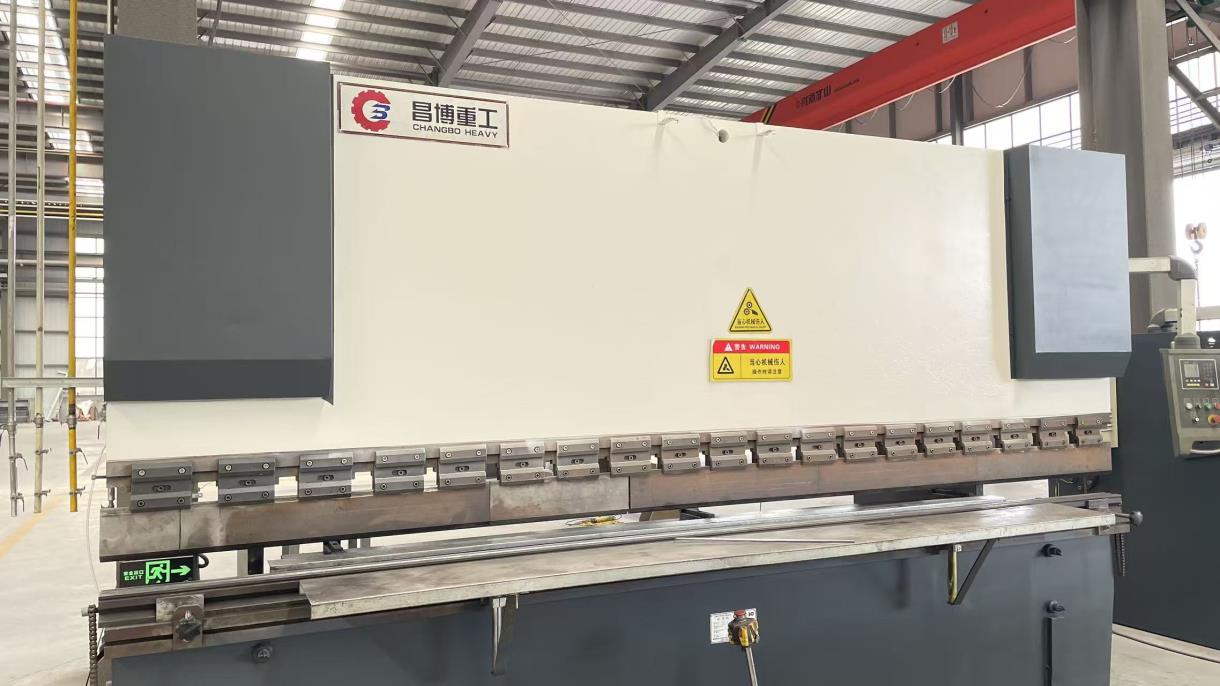
To back up our structural guarantees, our Quality Assurance division conducts rigorous, independent testing on every production batch. This includes non-destructive testing (NDT) such as Ultrasonic Testing (UT) and Magnetic Particle Testing (MT) on key structural joints. These steps ensure that all welded connections are completely free of internal defects and fully capable of handling high dynamic and seismic loads.
To protect against the humid, maritime climates of coastal Portugal, we offer advanced surface treatments. Options include hot-dip galvanizing to ISO 1461 standards, or multi-coat epoxy primer and polyurethane finishes. This durable protection prevents corrosion, reduces long-term maintenance costs, and extends the overall life cycle of the building.
For international buyers, general contractors, and developers in Portugal, importing structural steel involves balancing quality, lead times, logistics, and total cost of ownership. Working with Shandong Bildon Steel simplifies this process by integrating design, manufacturing, and direct logistics under one roof.
We work closely with global logistics networks to offer flexible shipping solutions. By optimizing how components are packed into containers or organizing bulk cargo vessels, we reduce shipping costs. We handle all export documentation, custom packaging, and port coordination to ensure a smooth import process at Portuguese ports.
By coordinating design and manufacturing stages early on, we help clients reduce onsite labor costs. Delivering pre-engineered, bolted assemblies to the job site minimizes the need for skilled onsite welders, simplifies quality inspections, and helps prevent project delays.
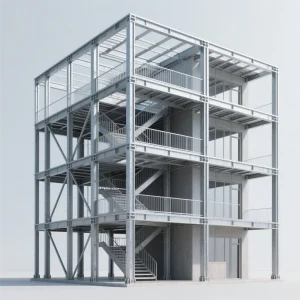
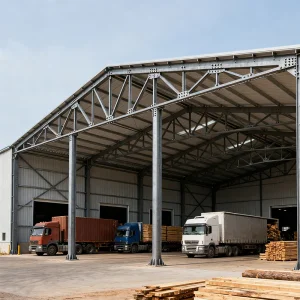
Explore our wide range of prefabricated steel buildings, high-strength frames, and industrial solutions designed for the European market.

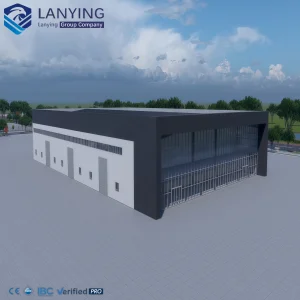
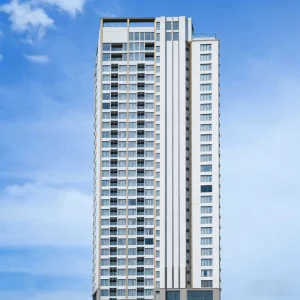
Technical answers regarding structural design, Eurocode compliance, and import logistics for Portugal.
Our engineering team designs structural elements using specialized finite element analysis software integrated with European design parameters. We verify all structural calculations against the European standards Eurocode 3 (EN 1993) for steel structures and Eurocode 8 (EN 1998) for seismic resistance, incorporating the specific coefficients outlined in the Portuguese National Annex. Our factory holds CE marking certification under EN 1090-2 (Execution Class EXC2/EXC3), which is required for import and construction approvals throughout Portugal.
For projects in high-corrosivity coastal zones (Category C4 or C5 under ISO 12944), we provide two main protective solutions. First is hot-dip galvanizing to ISO 1461, which offers reliable barrier and sacrificial protection. The second option is a multi-coat paint system, typically consisting of an inorganic zinc-rich epoxy primer, an epoxy micaceous iron oxide intermediate coat, and a durable polyurethane topcoat. These coatings help extend the structural service life and reduce long-term maintenance costs.
The overall timeline depends on the project's scale and complexity. Typically, structural engineering design and detailing take 2 to 4 weeks, fabrication takes 4 to 6 weeks, and ocean transit from Chinese ports (such as Qingdao) to Portuguese ports (Leixões or Sines) takes approximately 30 to 40 days. Components are securely loaded into open-top or standard 40ft containers, or shipped as bulk cargo for oversized structural trusses.
Yes, high-strength bolted connections (using grade 8.8 or 10.9 structural bolts) are highly effective in seismic design. By using pre-tensioned joints, the structure relies on friction capacity to handle shear forces under minor loads. Under major seismic events, these joints are designed to allow controlled slippage and energy dissipation, which helps prevent brittle fractures in the steel frame.