Bildon Steel
Bildon Steel
Bildon Steel
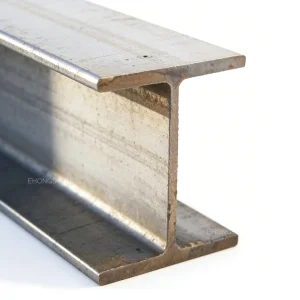
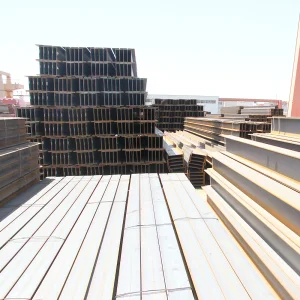
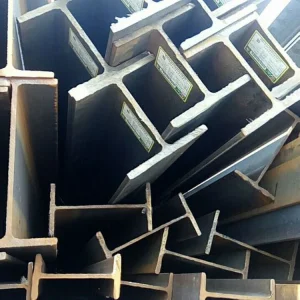
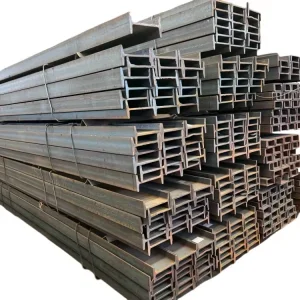
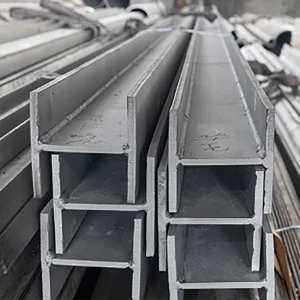
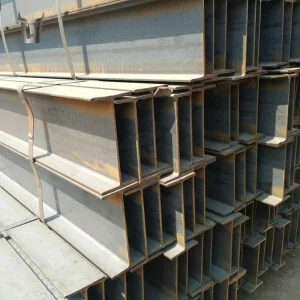
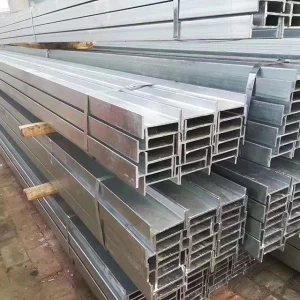
As the economic heart of Russia, Moscow is undergoing a massive architectural and industrial metamorphosis. From the expansion of the Moscow City skyscrapers to the strategic development of logistics clusters around the Central Ring Road (ЦКАД), the demand for high-integrity Welded H-Beam Components has never been higher. Unlike standard rolled sections, welded H-beams offer the "Information Gain" of customized geometry, allowing engineers to optimize weight-to-strength ratios for massive spans and heavy-duty loading requirements.
Moscow’s climate demands steel that maintains ductility at -40°C. Our components utilize low-alloy high-strength steels (like Q345D/E or S355NL) specifically tested for Charpy V-notch impact toughness at low temperatures, ensuring structural integrity during the harshest Russian winters.
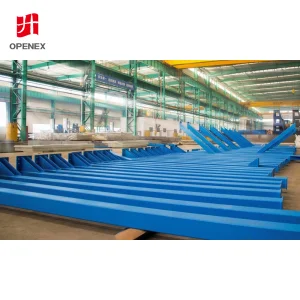
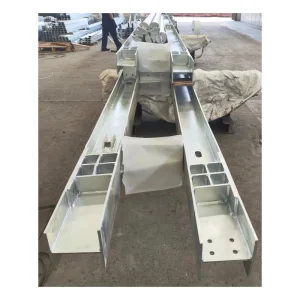
With the rise of "Just-in-Time" construction in Moscow's suburban industrial parks, our factory provides pre-drilled, pre-painted, and pre-assembled welded components that reduce on-site labor by up to 40%.
We bridge the gap between ASTM/EN standards and local GOST requirements, providing full traceability and certification required for Moscow’s rigorous building inspection authorities (Mosgosstroynadzor).
Globally, the shift from traditional hot-rolling to Automated Welding Technology represents a technological leap. Welded H-beams allow for asymmetrical flanges and variable web thicknesses—configurations impossible with standard rolling mills. This is critical for offshore oil rigs, heavy-load bridges, and "Green Building" initiatives where material efficiency is paramount.
Operating as a key H-Beam factory for Moscow, Shandong Bildon Steel Co., Ltd. understands the logistical nuances of the Eurasian corridor. We provide comprehensive support including:
Shandong Bildon Steel Co., Ltd. is an integrated service provider specializing in design, manufacturing, and construction. We hold ISO9001, ISO45001, and ISO14001 certifications, operating with advanced non-destructive testing (NDT) to ensure every weld meets the highest safety thresholds. Our commitment to intelligent manufacturing allows us to serve complex projects from nuclear power infrastructure to offshore wind farms.
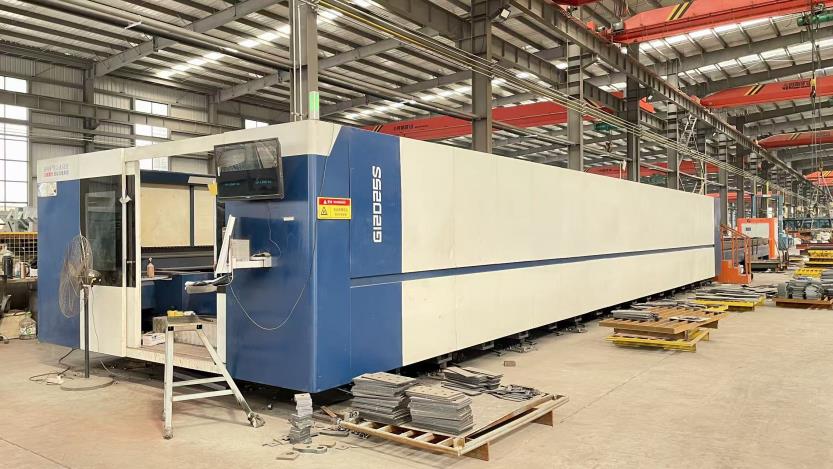
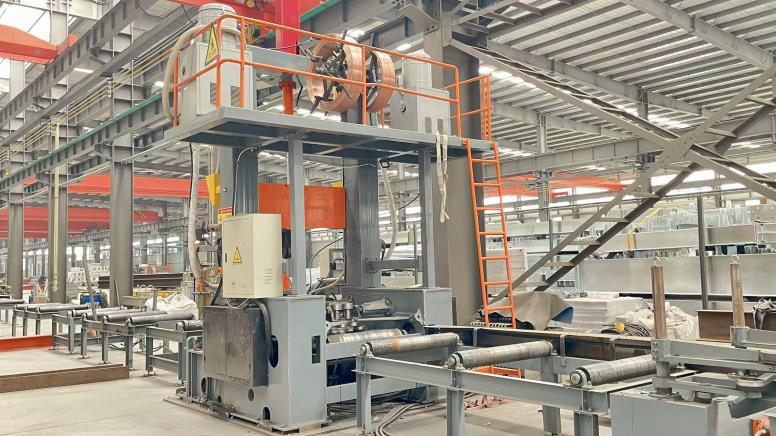
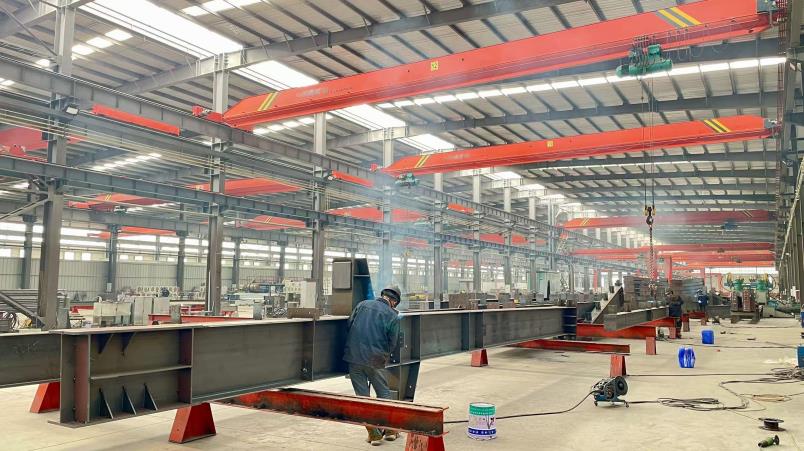
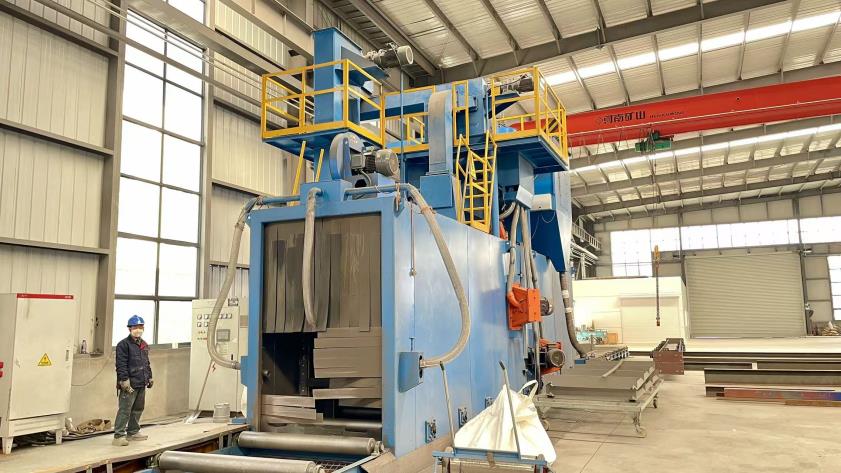
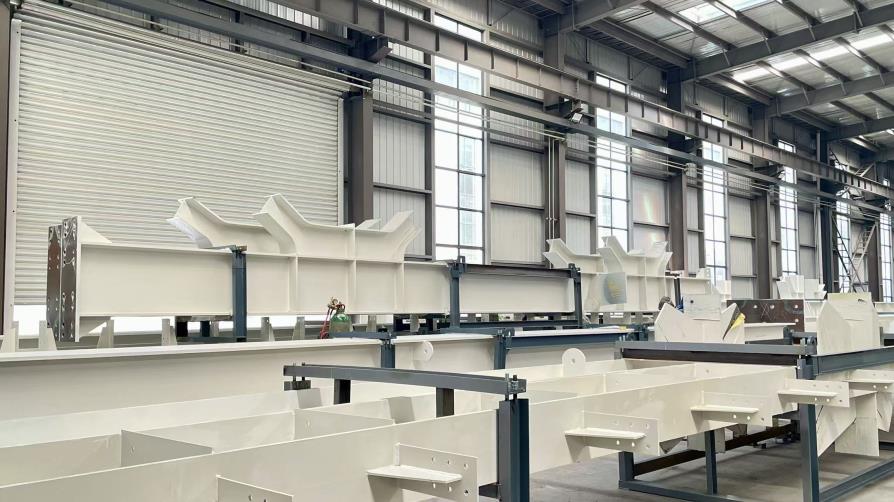
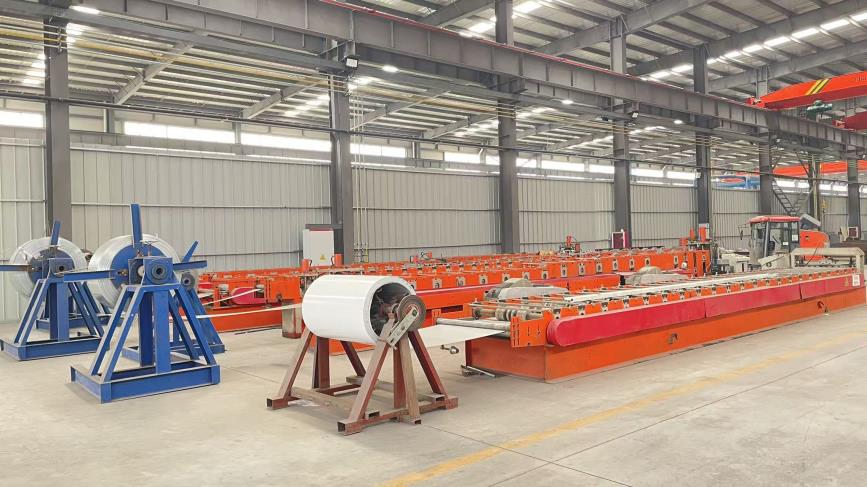
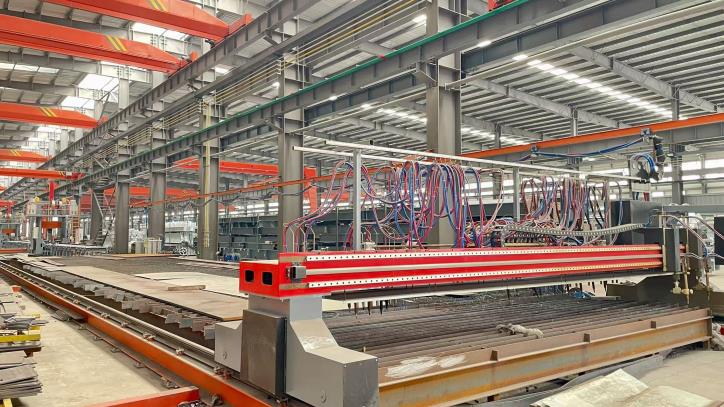
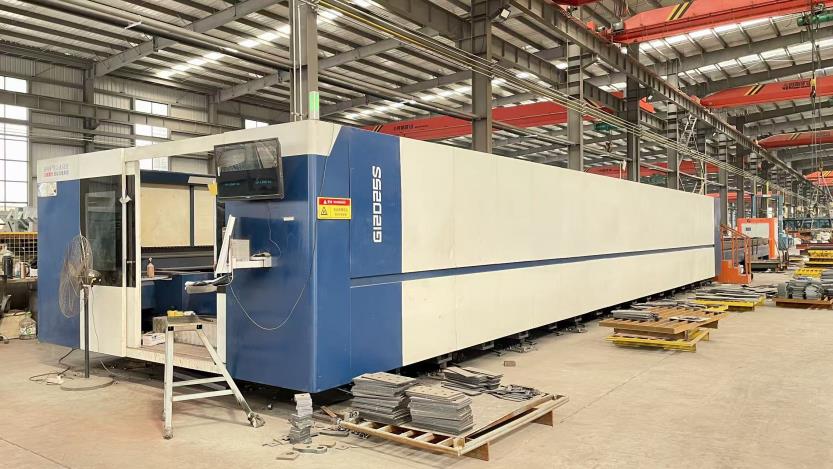
The future of H-beam fabrication lies in Industry 4.0. Our Moscow-bound production lines are transitioning toward full robotic welding cells that utilize AI-driven defect recognition. This ensures that every millimeter of the weld bead is documented, providing a "Digital Passport" for structural components. Furthermore, we are exploring Green Steel initiatives, reducing the carbon footprint of our welding processes to align with global ESG standards.
A: Welded H-beams offer complete flexibility in dimensions. You can specify different flange widths, web heights, and thicknesses that are not available in standard rolled catalogs, allowing for massive weight savings in large Moscow projects.
A: Yes, we provide comprehensive Mill Test Certificates (MTC) and can align our NDT (Non-Destructive Testing) reports with GOST standards often required by Russian engineering firms.
A: We have extensive experience with multi-modal logistics, utilizing rail transport through the Eurasian land bridge or sea freight via Vladivostok/St. Petersburg to ensure timely delivery to Moscow sites.
Our facility utilizes Submerged Arc Welding (SAW) for H-beam production, which provides deeper penetration and higher quality welds compared to traditional MIG/MAG welding. This is particularly important for Heavy Steel Structures where the web-to-flange connection must withstand cyclic loading and seismic stresses. For Moscow's residential and commercial "Renovation Programs," we also provide Thin-Walled Welded H-sections that offer the perfect balance between architectural elegance and structural safety.