Bildon Steel
Bildon Steel
Bildon Steel
Premium grade structural profiles fabricated under strict ISO and Saudi Building Code (SBC) quality thresholds.
An in-depth analysis of metallurgical demands, Saudi Building Code (SBC) compliance, and global supply integration for modern Middle Eastern urbanism.
Riyadh is undergoing one of the fastest urban and industrial expansions in modern history. Under the vision of Saudi Vision 2030, the city is shifting from regional administrative hub to global logistical and commercial powerhouse. High-scale projects such as the King Salman International Airport, the expansion of the Riyadh Metro network, the development of the King Abdullah Financial District (KAFD), and massive industrial zones managed by MODON demand unprecedented structural steel safety.
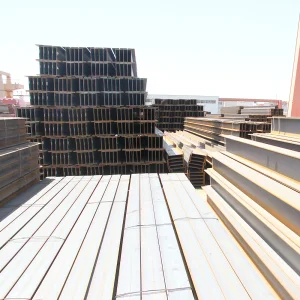
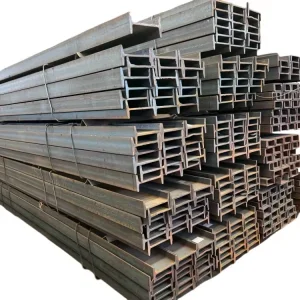
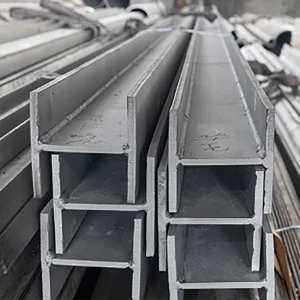
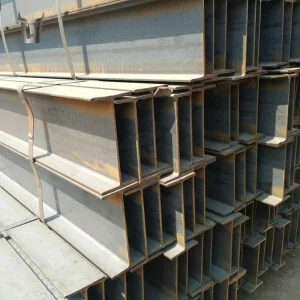
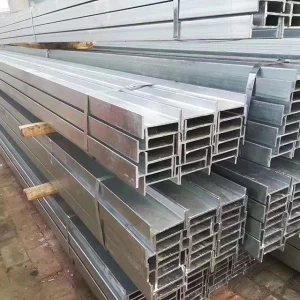
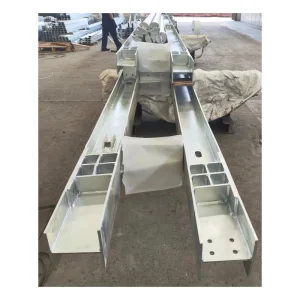
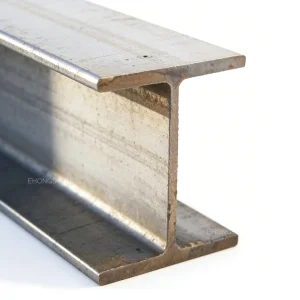
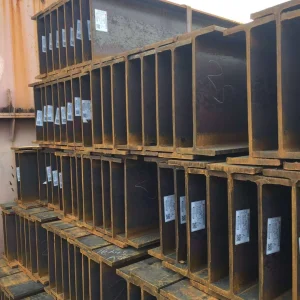
In typical high-load construction, traditional hot-rolled profiles have dimensional limitations. Welded H-Beam components offer structural engineers the design flexibility to tailor flange thickness, web depth, and section properties precisely to stress distributions. This customized weight-saving capability translates to reduced structural weight, optimized foundation loading, and simplified site erection processes in Riyadh’s challenging desert soils.
Global steel supply chains require stability, deep logistical planning, and rigorous testing protocols to feed the fast-tracked projects in Saudi Arabia. As an integrated manufacturer, Shandong Bildon Steel Co., Ltd. coordinates global raw material procurement with highly efficient manufacturing bases to guarantee a continuous pipeline of structural components.
The pricing and delivery of structural steel in Riyadh depend heavily on logistical channels. By leveraging reliable maritime routes from our manufacturing yards to Gulf ports (such as Dammam Port or Jeddah Islamic Port) followed by rapid land transport directly to Riyadh's construction sites, we bypass local supply shortages. Our operations are governed by international frameworks including ISO 9001:2015, ISO 14001:2015, and ISO 45001:2018, which guarantee that every phase—from raw coil plate processing to local custom deliveries—remains robust and fully accountable.
The Riyadh environment presents extreme challenges to steel structures. Temperatures range from near-freezing in winter nights to exceeding 50°C during summer days. This intense thermal cycling induces massive thermal stress and expansion within large-span structures, such as airport terminals and distribution centers.
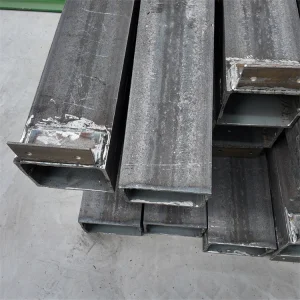
Compliance is non-negotiable for project approval by Saudi municipalities and semi-governmental entities like Aramco or SABIC. Our fabricated Welded H-beams and box columns conform precisely to:
Each shipment is accompanied by Mill Test Reports (MTR) tracing back to the raw heat numbers, together with non-destructive testing (NDT) certification records.
For architects and structural estimators working on Riyadh projects, deciding between Welded H-Beams and standard Hot-Rolled Sections is vital for project budget control and structural efficiency:
| Feature / Specification | Welded H-Beam (Bildon Fabrication) | Standard Hot-Rolled H-Beam |
|---|---|---|
| Dimensional Customization | Virtually unlimited. Flange/Web thicknesses can be asymmetrical based on stress. | Restricted to standard catalog sizes and shapes (e.g., HEB, IPE, UC). |
| Large Span Suitability | Excellent. Ideal for spans above 12 meters with optimized depth-to-span ratios. | Limited. High spans require excessive self-weight or truss reinforcement. |
| Steel Grade Combination | Hybrid beams possible (high-yield flanges with standard-yield webs). | Homogeneous steel grade throughout the entire cross-section. |
| Minimum Order Quantity (MOQ) | Flexible. Customized pieces can be run to project specifications. | High MOQs required by mills for non-standard rolling cycles. |
Our components are optimized for a variety of structural applications within Riyadh and its surrounding economic zones:
SBC Compliance Rate
Annual Fabrication Capacity (Tons)
Class I / II Welds Guaranteed
Global Port Delivery Access Points
Get in touch with our steel fabrication experts to optimize your design and secure reliable supply routes.
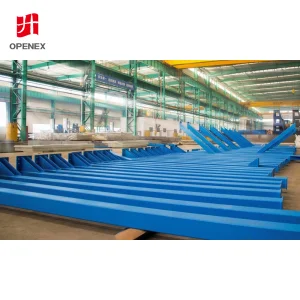
Send Inquiry NowOur intelligent factory floor utilizes cutting-edge CNC and automated welding systems to ensure flawless precision at every stage.
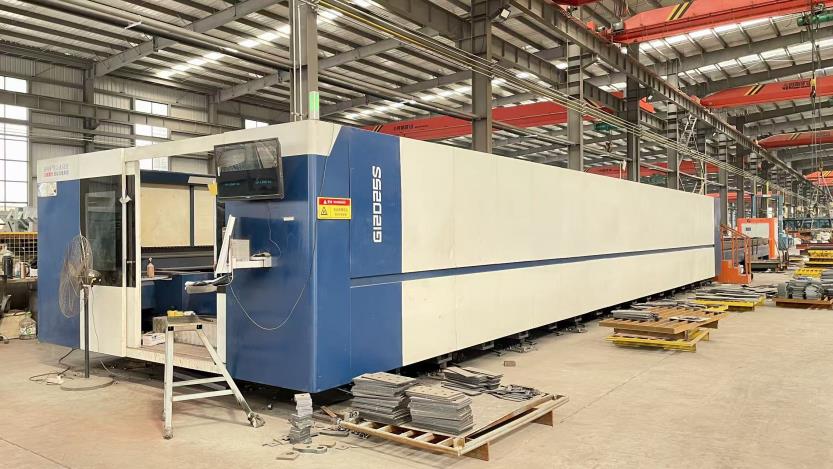
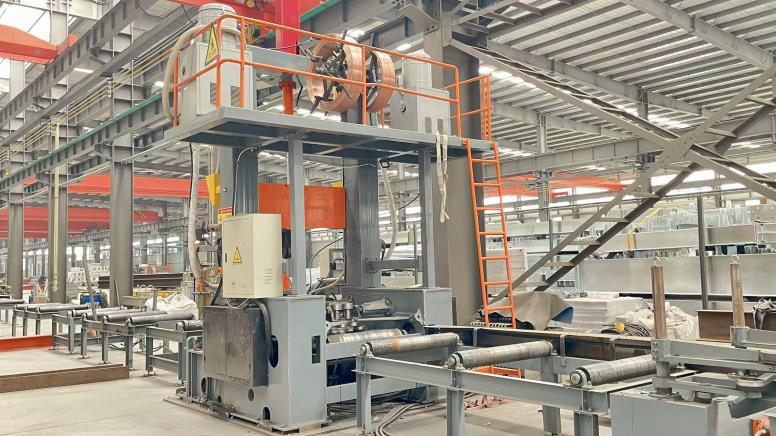
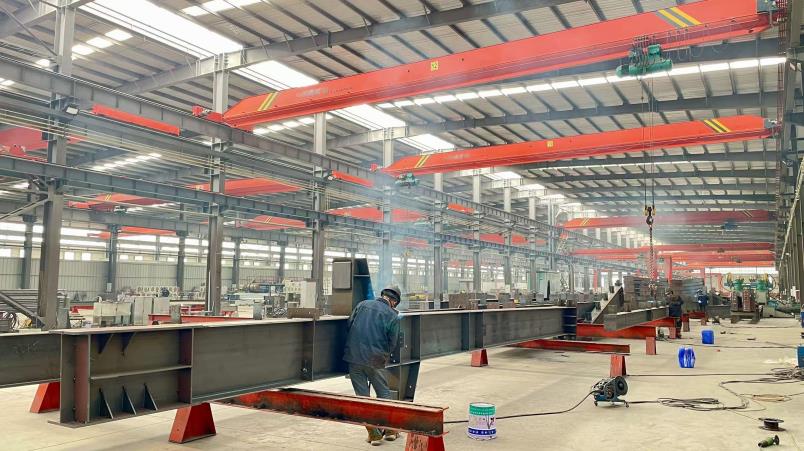
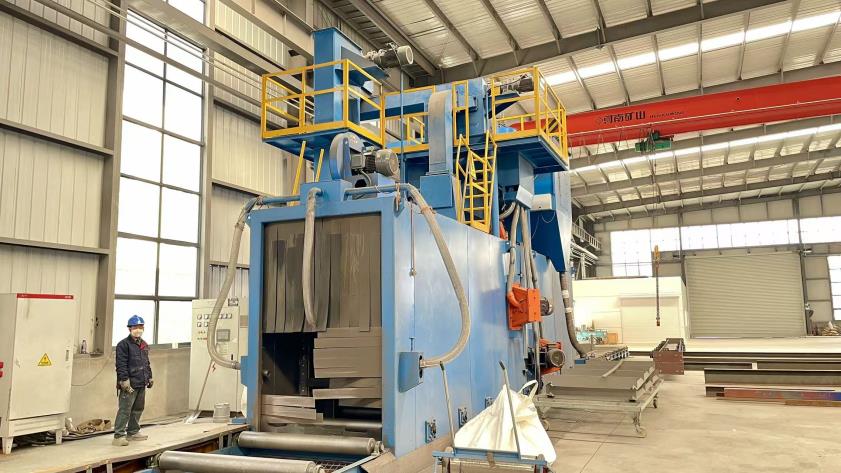
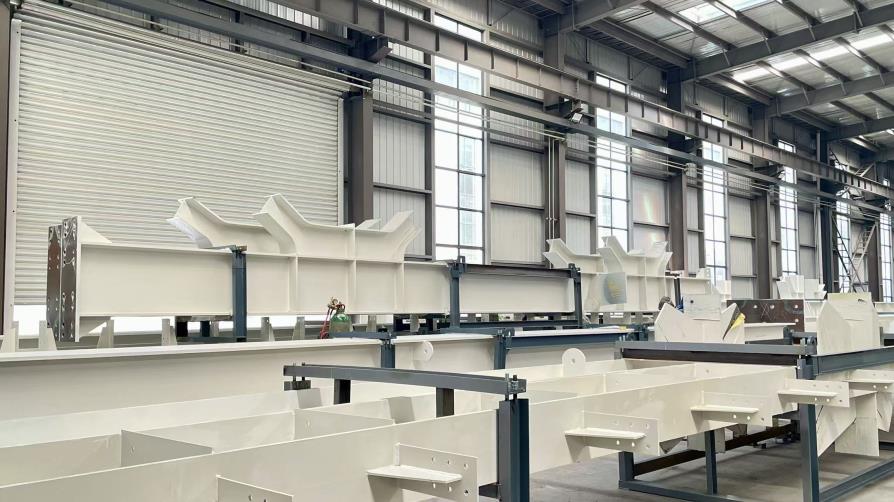
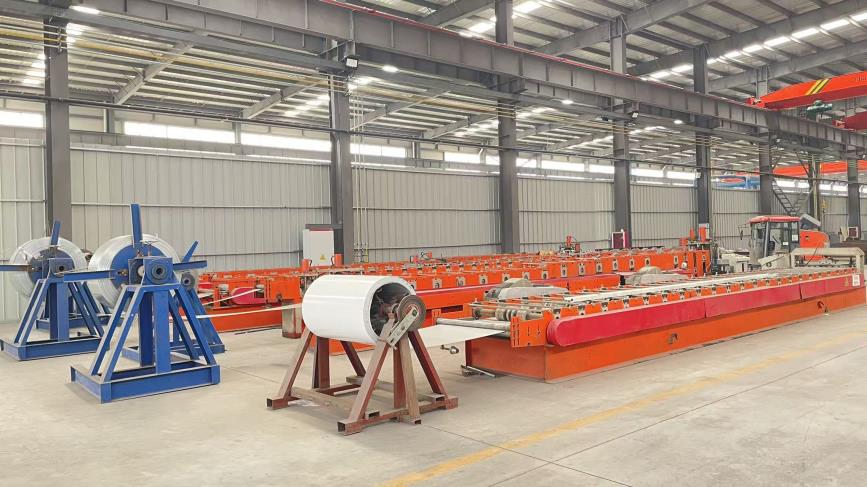
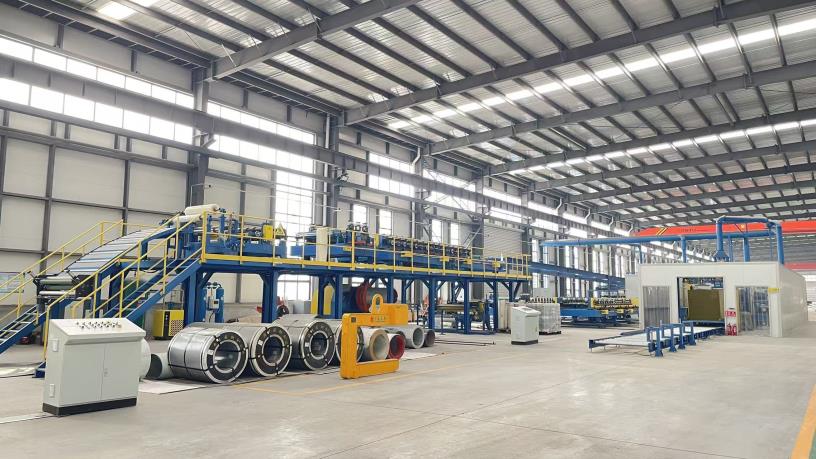
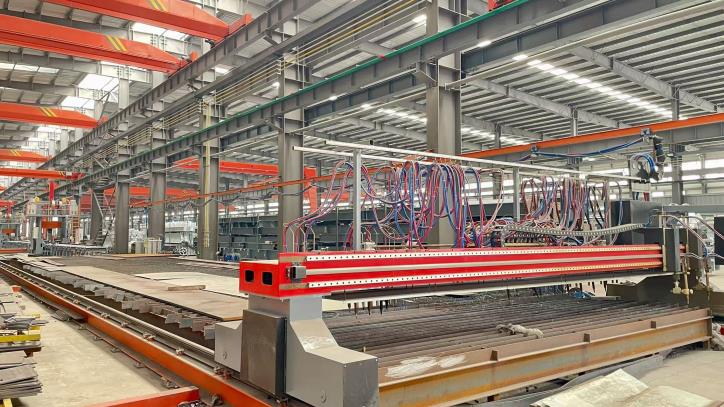
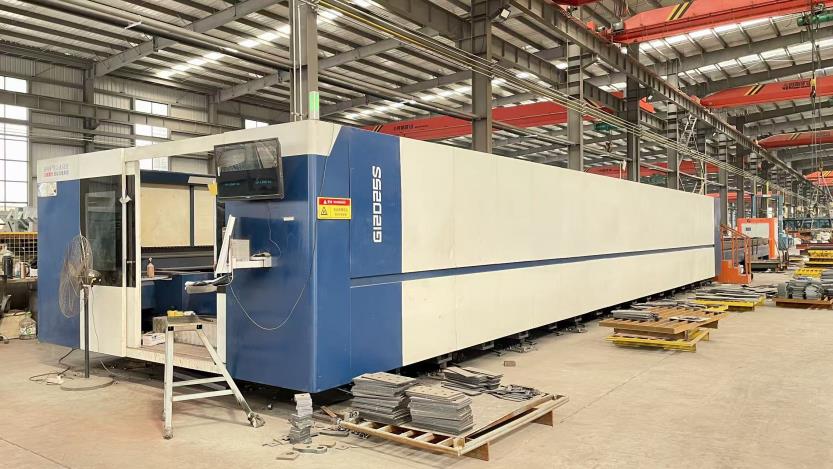
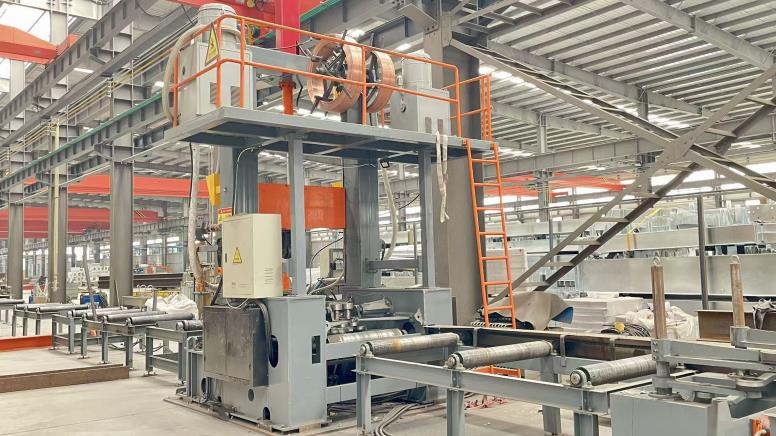
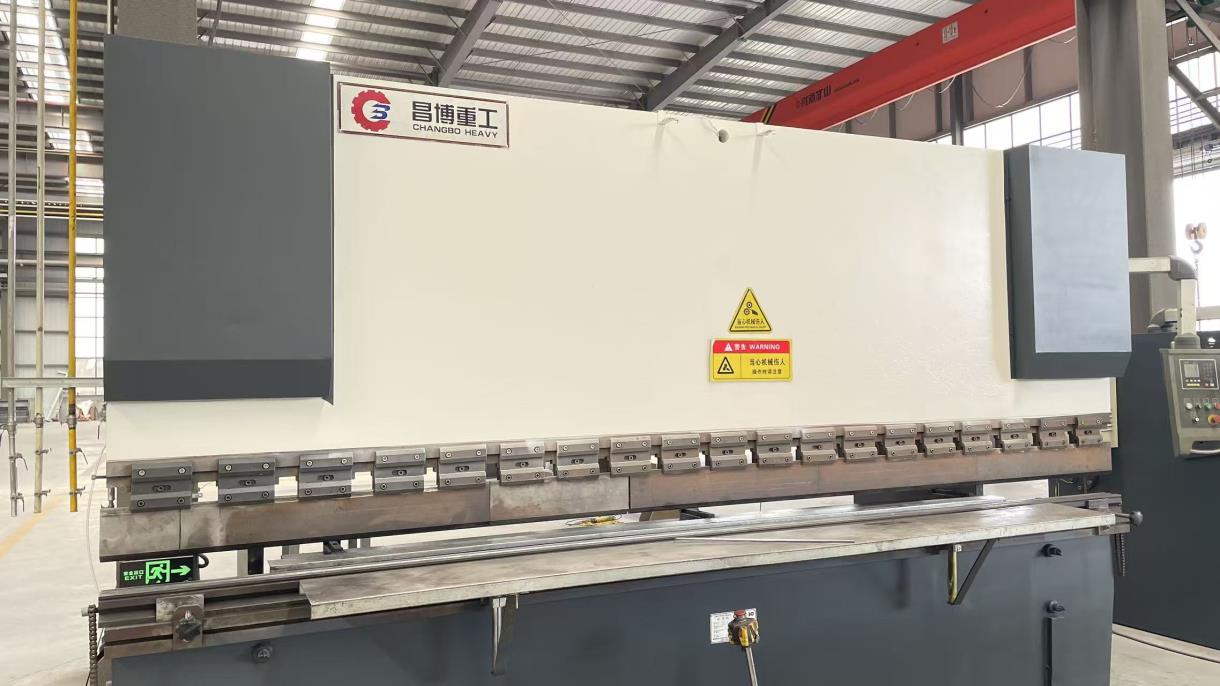
Modern steel fabrication is moving quickly toward digitization. At Shandong Bildon Steel Co., Ltd., our technology pipeline integrates BIM (Building Information Modeling) directly with production CNC machines. This allows structural changes made by consultants in Riyadh to update fabricating profiles instantly, reducing structural conflicts and wastage.
Furthermore, our efforts to utilize eco-friendly steel coatings and reduce carbon footprint in our energy-efficient mills support Saudi Arabia’s Net Zero targets. Green hydrogen steel manufacturing processes and low-alloy high-strength profiles are shaping the next generation of logistics yards and KAFD skyscrapers.
We employ certified welding inspectors (AWS-CWI) to maintain structural integrity. Every welded component undergoes a complete check:
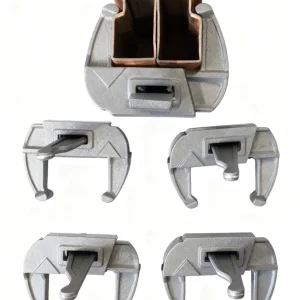
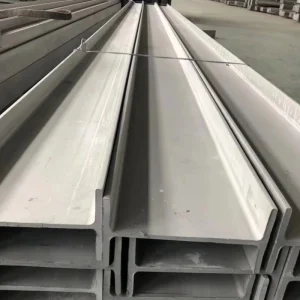
Our complete range of custom-fabricated beams, supports, and structural accessories for heavy industrial and civil engineering projects.
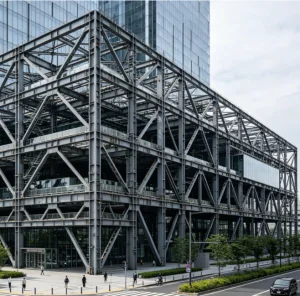
Technical compliance, logistics, and capabilities questions addressed directly by our structural steel engineering team.