Bildon Steel
Bildon Steel
Bildon Steel
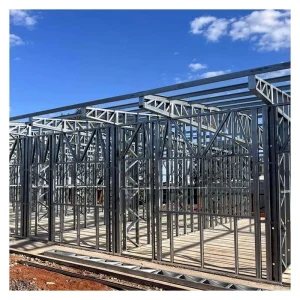
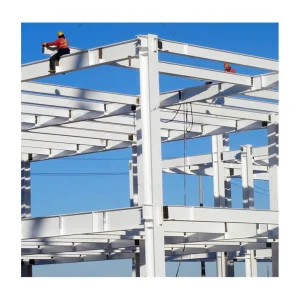
In the modern era of high-density logistics, advanced manufacturing, and complex architectural assemblies, CE Certified Steel Load Platforms stand as the foundational backbone of industrial space optimization and structural safety.
Globally, industrial spaces are facing intense pressure to maximize spatial efficiency. As horizontal expansion becomes financially and environmentally prohibitive, enterprises are looking vertical. Heavy-duty steel load platforms, industrial mezzanine floors, and structural framing solutions enable businesses to double or triple their usable footprint within the existing building envelope. However, vertical expansion introduces immense structural demands. The integrity of these platforms must be guaranteed under static, dynamic, and seismic forces.
The global market for structural steel components is transitioning towards rapid prefabrication. Traditional on-site welding and custom cutting are increasingly replaced by factory-controlled off-site manufacturing. This shift minimizes structural defects, reduces site disruption, and guarantees that every load-bearing element complies with rigorous regional safety directives. In the European Union and associated economic zones, the CE Marking (Conformité Européenne) is a strict legal mandate for structural steel components, dictated by the Construction Products Regulation (CPR) and detailed under the harmonized standard EN 1090.
High-capacity load platforms are not generic structures; they are highly engineered solutions tailored to specific commercial and industrial ecosystems. Below are the primary macro solutions implemented globally:
Modern sorting centers utilize high-speed automated storage and retrieval systems (ASRS). Our platforms support massive conveyor loops, robotic picking cells, and dynamic sorting machinery, designed with deflection tolerances down to L/500.
Designed for stamping plants, chemical processing, and assembly lines where heavy machinery induces continuous low-frequency vibrations. High-fatigue structural steel and precision welding ensure structural stability under cyclic loading.
Providing robust platforms for wind energy substations, offshore marine vessels, and heavy chemical arrays. Utilizing specialized alloys and protective coating systems optimized to resist high-salinity marine corrosion (C5-M environment).
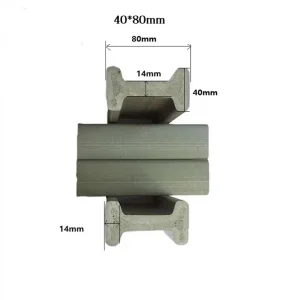
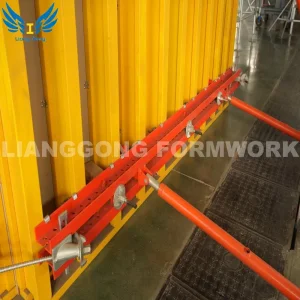
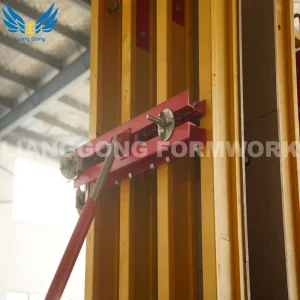
In localized applications, municipal codes play an essential role. In seismic zones (such as parts of Southern Europe, Japan, and Western USA), load platforms must incorporate cross-bracing, moment connections, and slip-critical structural bolting to dissipate seismic energy. Conversely, in food-grade or pharmaceutical cleanrooms, platforms must be engineered with continuous-weld stainless steel profiles and seamless FRP or PVC H-beam formwork interfaces to prevent bacterial growth and withstand harsh washdown protocols.
Shandong Bildon Steel Co., Ltd. is an integrated service provider in the field of steel structures, specializing in design, manufacturing, fabrication, and construction. The company is committed to delivering high-quality steel structure solutions with strong engineering capability and reliable project execution for clients across global markets.
Bildon Steel has obtained and strictly operates internationally recognized management systems, including ISO9001 Quality Management System, ISO45001 Occupational Health and Safety Management System, and ISO14001 Environmental Management System. The company is equipped with advanced non-destructive testing (NDT) and quality inspection capabilities, ensuring strict control over every stage of production and construction. It is recognized as a contract-abiding and credit-worthy enterprise, and holds independent import and export rights, with products and services delivered to multiple countries and regions worldwide.
With continuous focus on innovation and industrial upgrading, Shandong Bildon Steel Co., Ltd. actively promotes construction industrialization, digital engineering, and intelligent manufacturing, striving to improve efficiency, precision, and sustainability in steel structure production.
The company’s business scope covers a wide range of engineering applications, including building steel structures, large-scale industrial plants, multi-storey and high-rise steel buildings, non-standard steel components, complete equipment supporting steel structures, metal processing, special steel structures, and heavy steel structures. It also has strong capabilities in high-end engineering fields such as nuclear power infrastructure, photovoltaic power generation systems, shipbuilding steel structures, curtain wall engineering, and offshore wind power structures.
Backed by a professional team of engineers, project managers, and skilled manufacturing personnel, Bildon Steel continues to strengthen its research and development capabilities, supply chain integration, and smart production systems. The company is dedicated to becoming a leading global steel structure manufacturing and engineering service base, known for advanced technology, stable quality, and customer satisfaction.
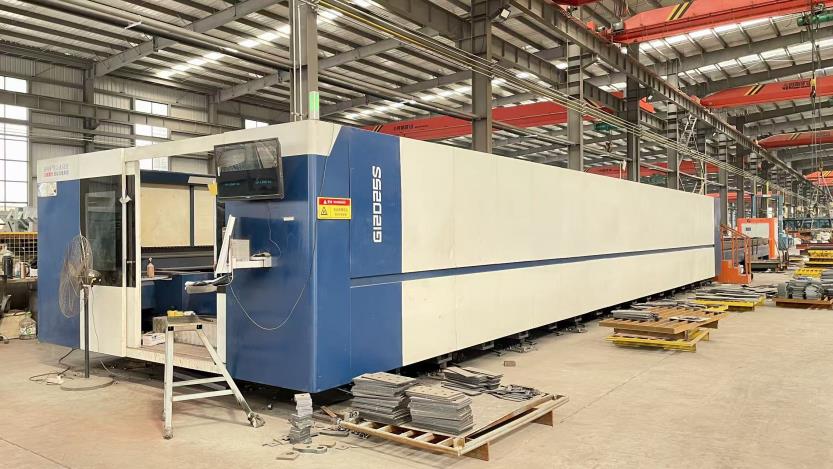
At our manufacturing facility, every steel component undergoes a rigorous, digitized fabrication workflow. Below are the core manufacturing steps that guarantee the performance, geometric precision, and durability of our structural assemblies:
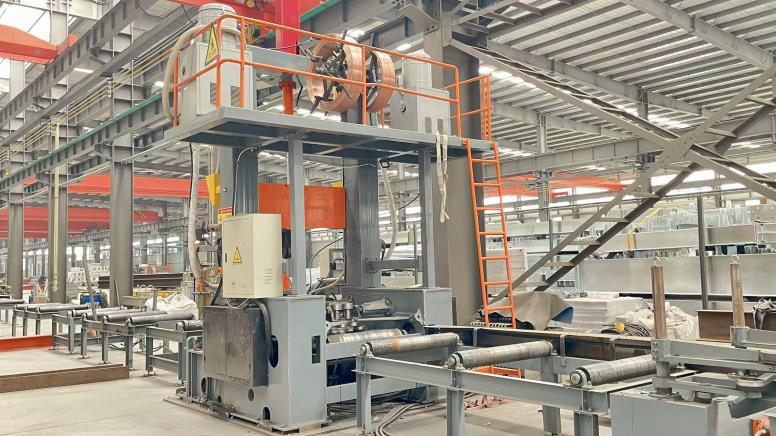
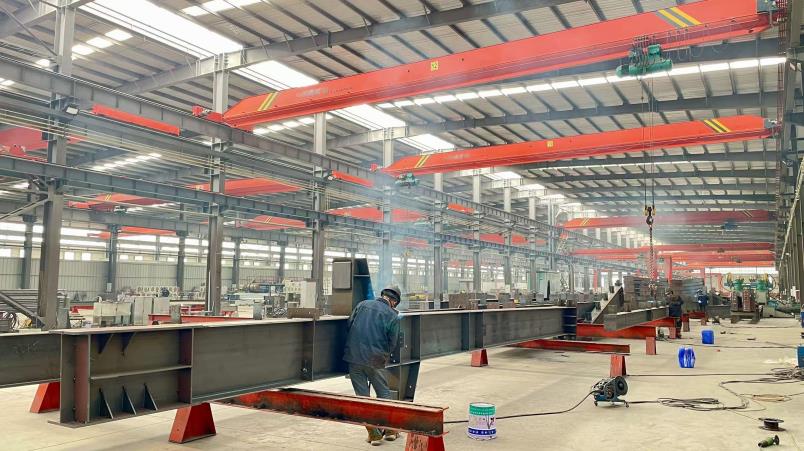
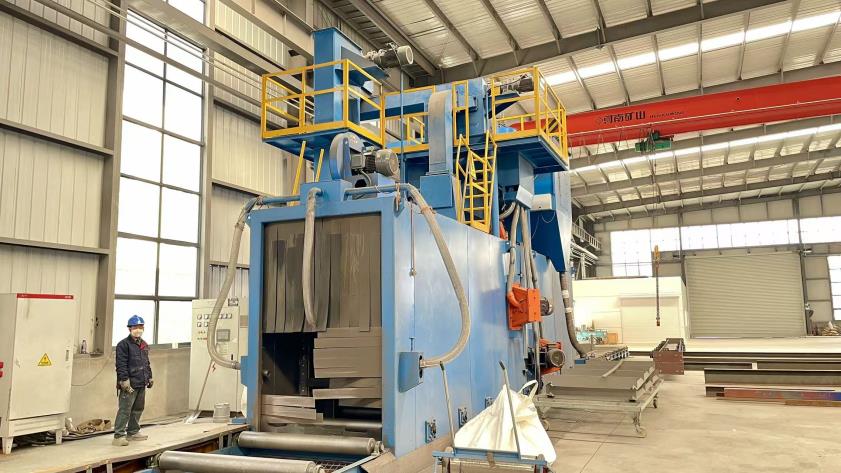
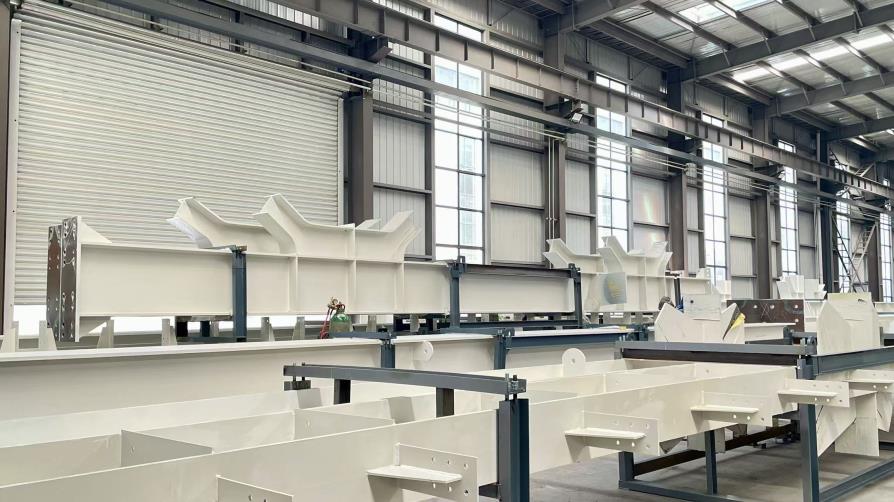
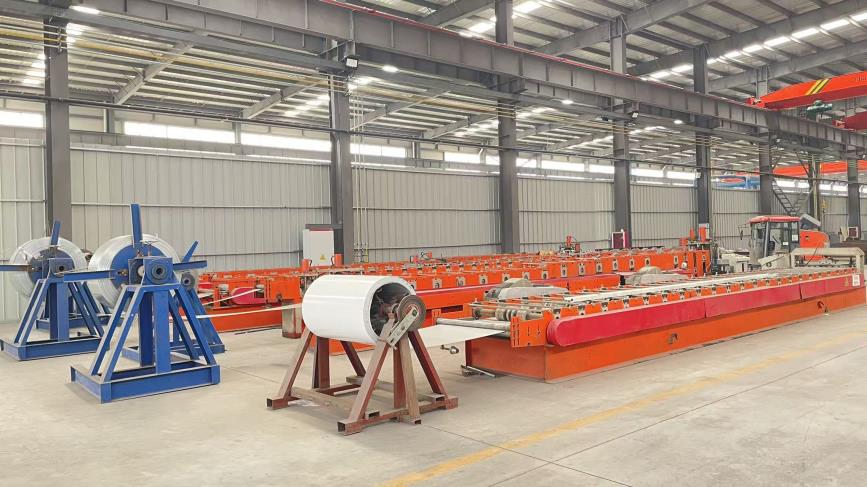
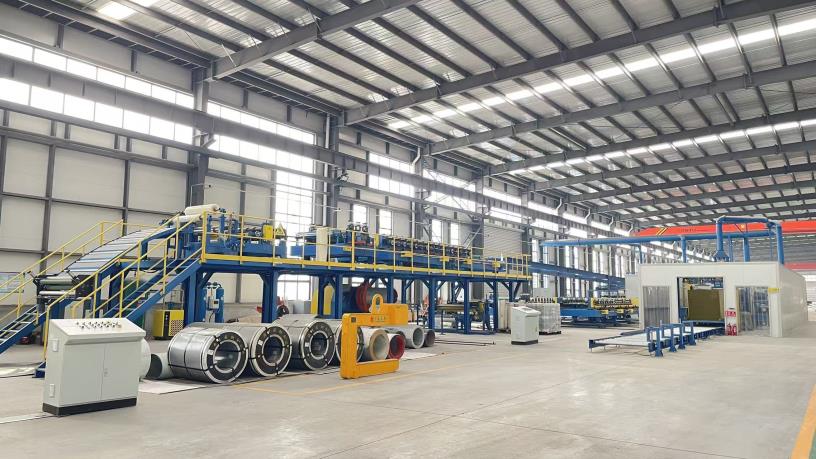
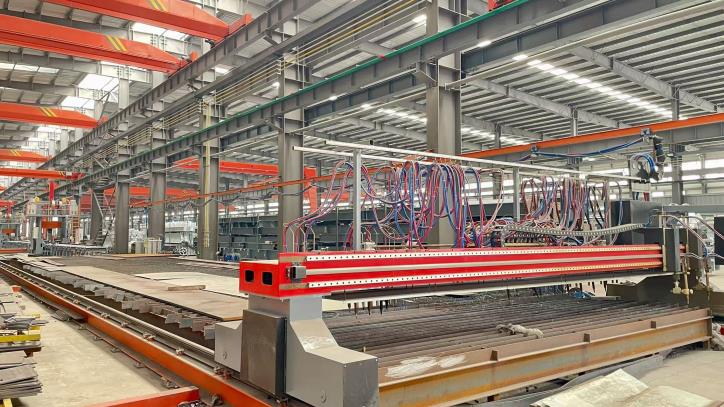
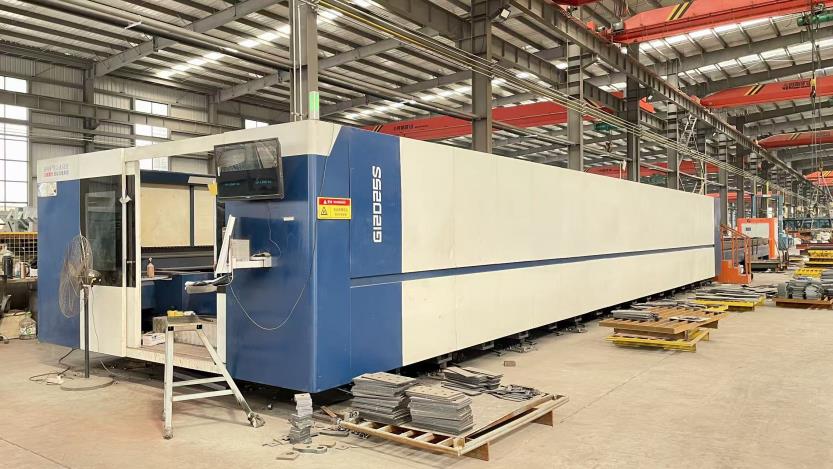
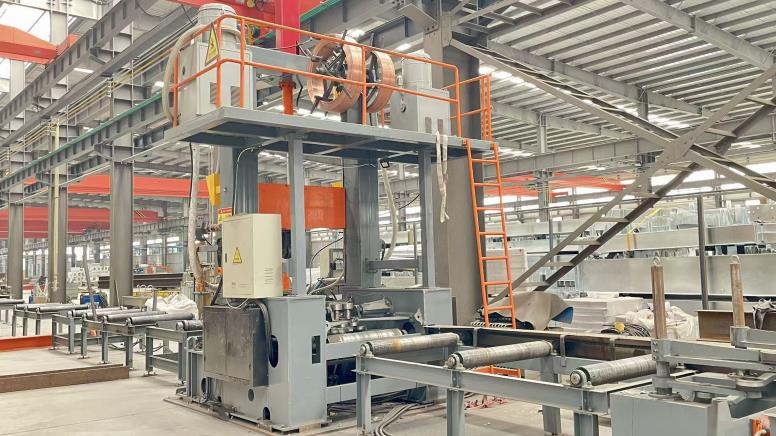
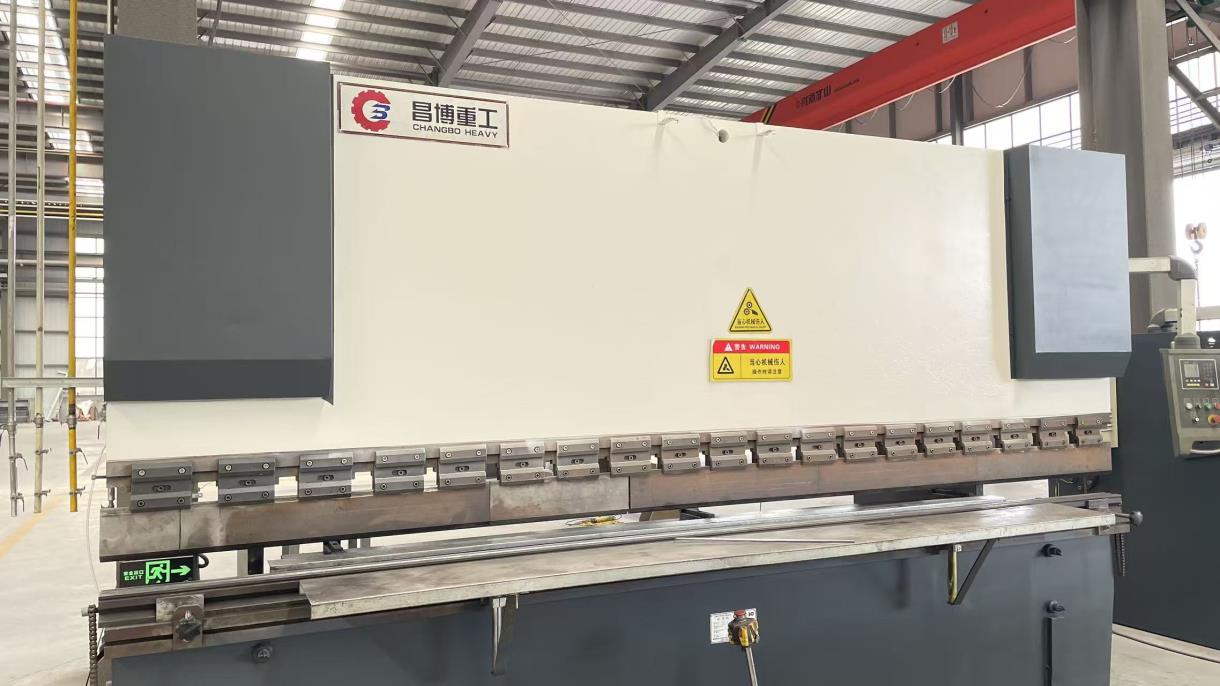
To export structural assemblies successfully, a manufacturer must master local codes and logistics. Bildon Steel bridges the gap between global factory production and localized building codes.
Our engineering design office translates and verifies calculations according to regional design standards:
Beyond code compliance, localization demands deep structural support during installation. We provide full installation drawings in BIM (Building Information Modeling) formats, detailing localized torque requirements for high-strength friction-grip structural bolt assemblies. Each structural column, primary beam, and secondary beam is marked with individual component identification numbers corresponding directly to the digital structural assembly model, ensuring local mechanical and structural contractors can execute assembly flawlessly on-site.
The structural steel sector is undergoing a rapid digital evolution. Standard structural design methodologies are expanding to integrate smart manufacturing technologies:
Using algorithmic CAD software to generate structural profiles that use less raw material while maintaining identical safety factors, minimizing carbon footprints in line with European structural mandates.
Embedding IoT stress sensors in key moment connections. These sensors track dynamic load stresses, warning warehouse operators if the structure is overloaded or damaged by forklift impacts.
Implementing duplex coating systems that combine hot-dip galvanization with a powder coat top finish, offering over 30 years of maintenance-free lifespan in humid industrial environments.