1 / 5
 Bildon Steel
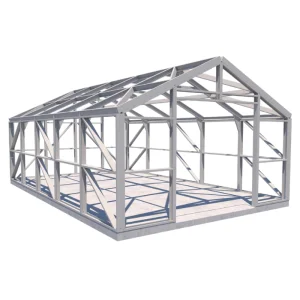
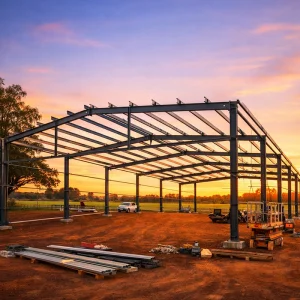
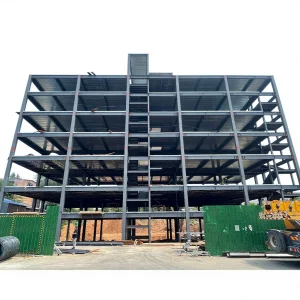
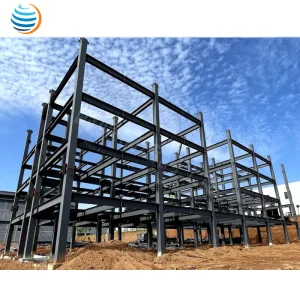
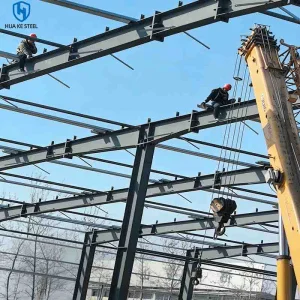
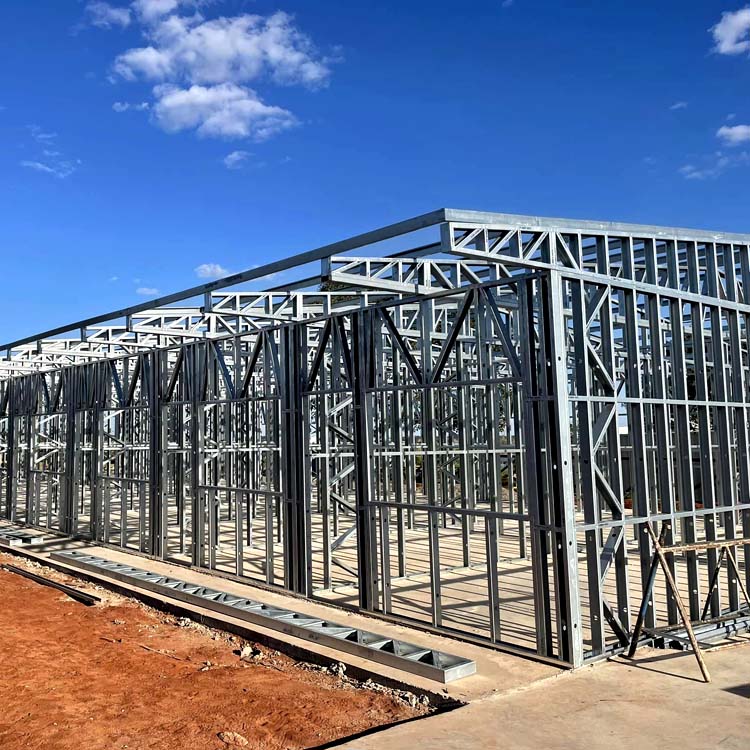
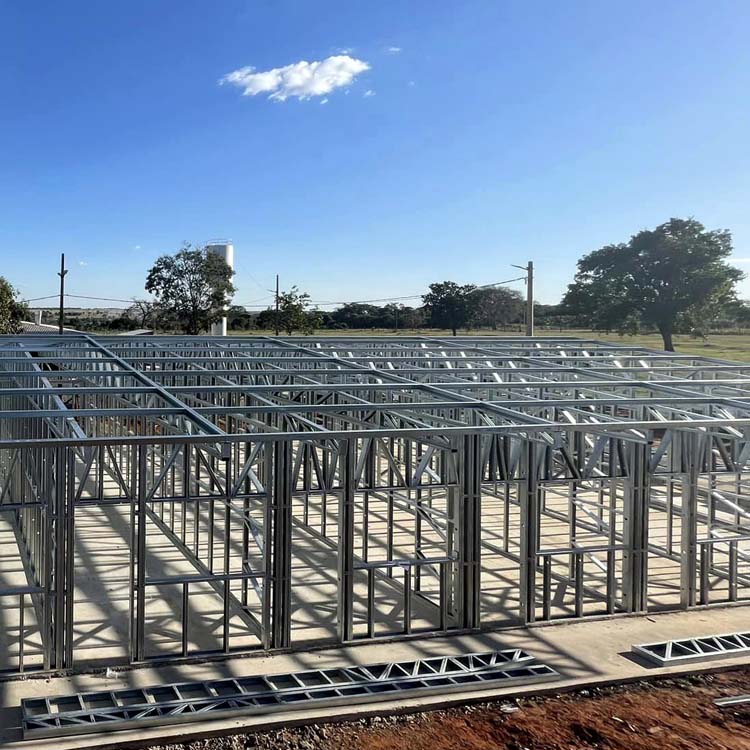
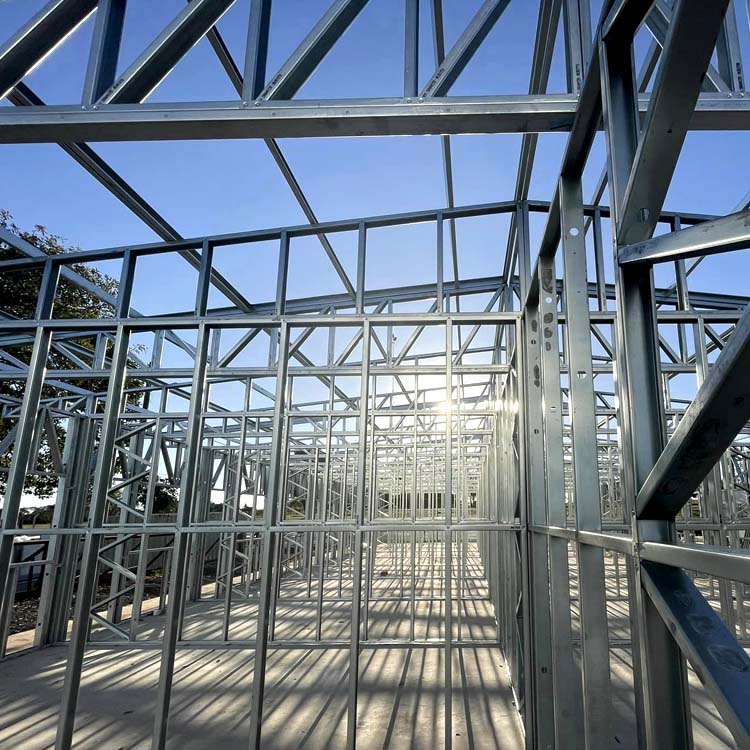
Over the years, Steel being a prominent metal in the construction industry, has been commonly used. It brings the demand for prefab metal buildings. Prefabricated steel structure involves designing and fabricating components in advance and then installing them at the construction site.
Prefabricated steel structures are easy and quick to install and cost 25% less per square meter than traditional steel buildings.
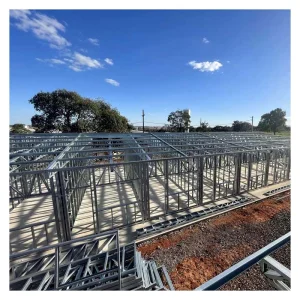
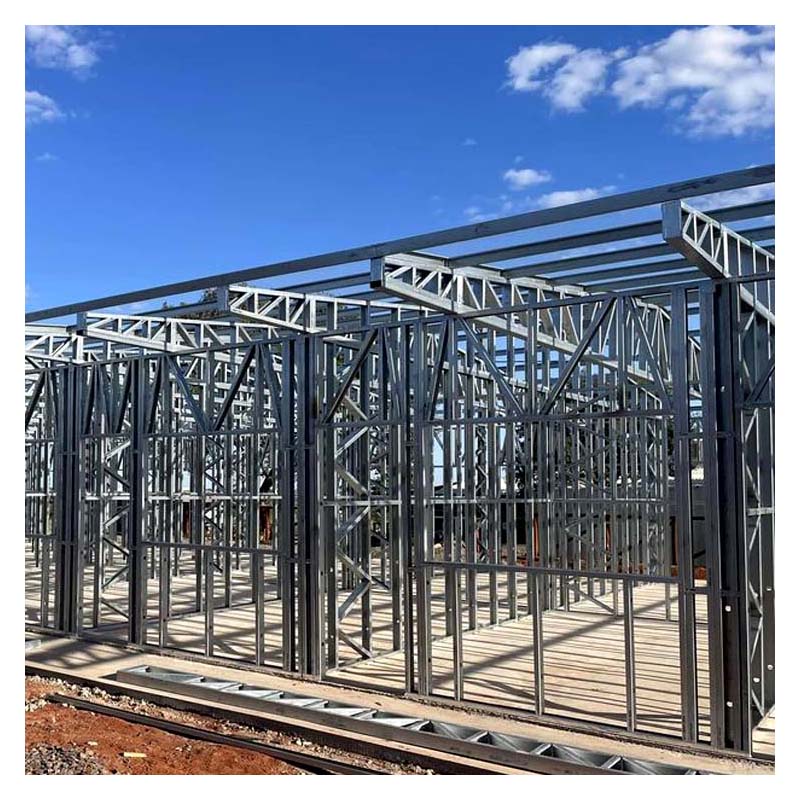
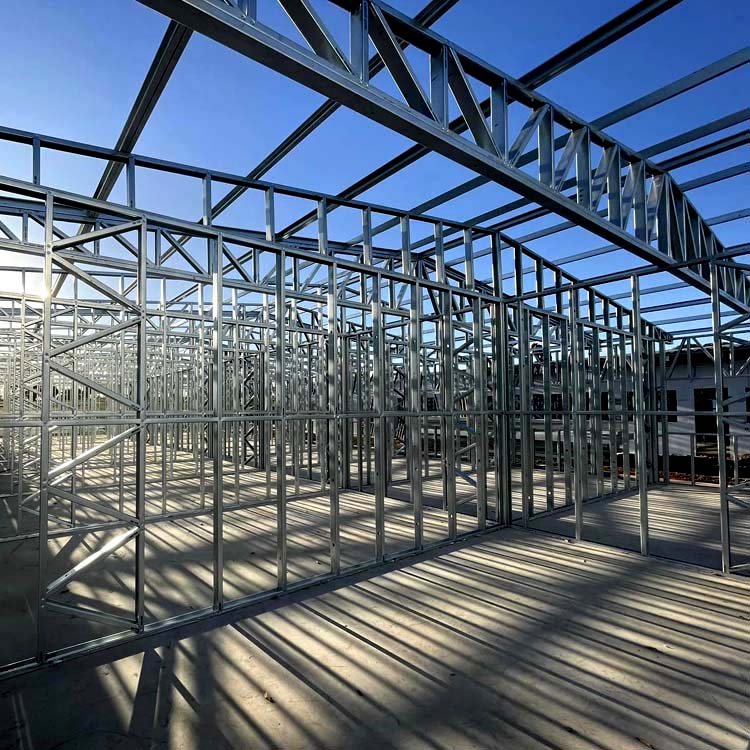
The components of prefab metal building are designed in advance and then connected by customized bolts and connections.
The weight of prefabrication steel buildings is lesser than concrete buildings.
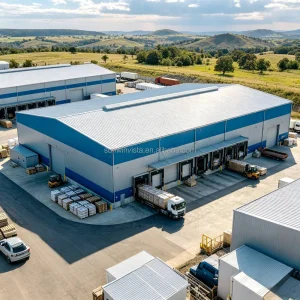
The length of large-span prefabricated steel structures can reach 100 meters. So, prefab steel structures are commonly used in shopping malls, exhibition centers, railway stations, airports, and sports stadiums.
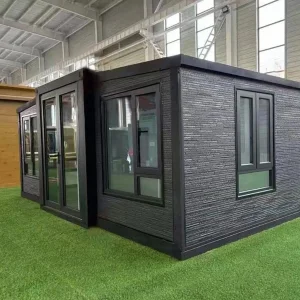
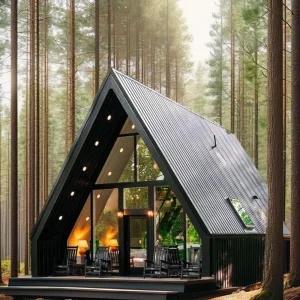
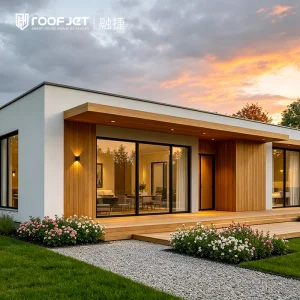
Various decorative materials can be used in combination with prefabricated steel structures. For example, corrugated steel sheet, wooden, glasses, and so on.
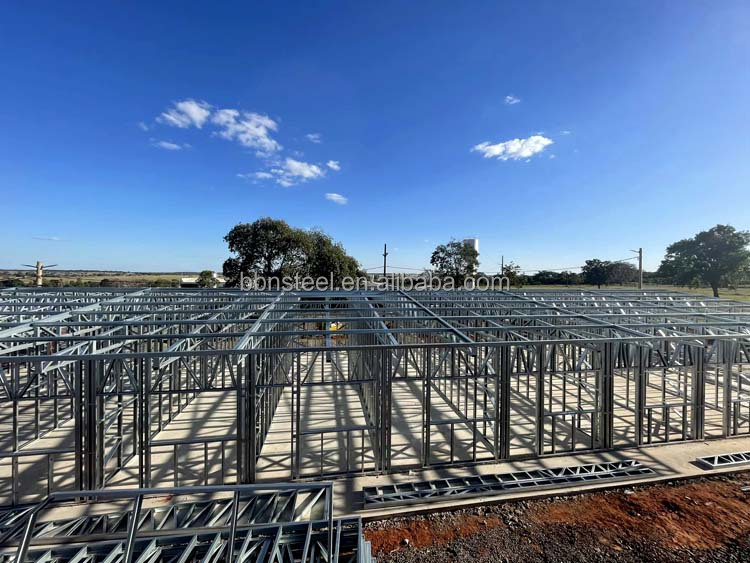
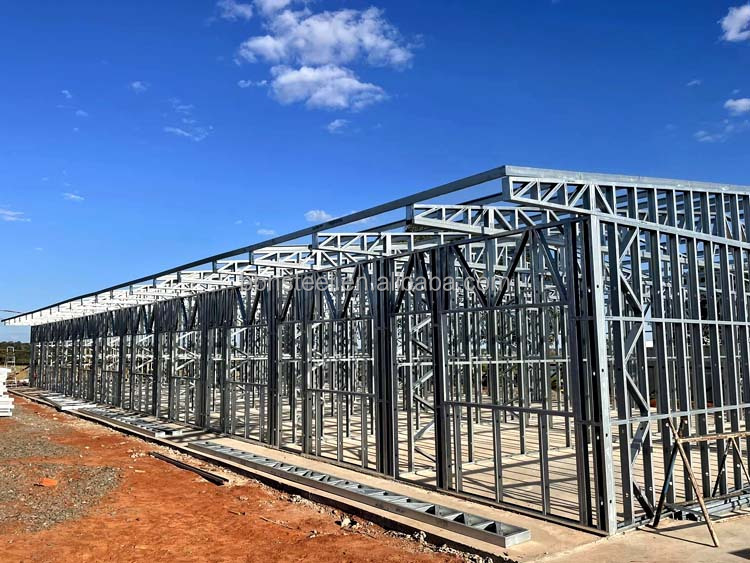
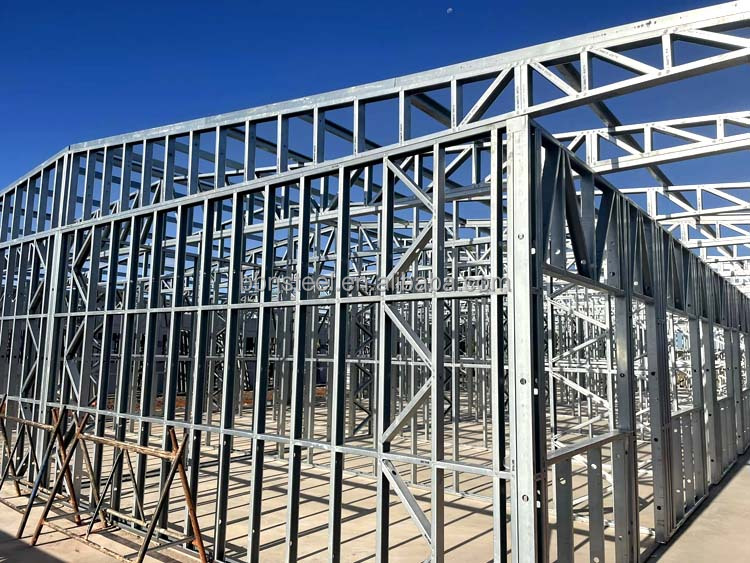
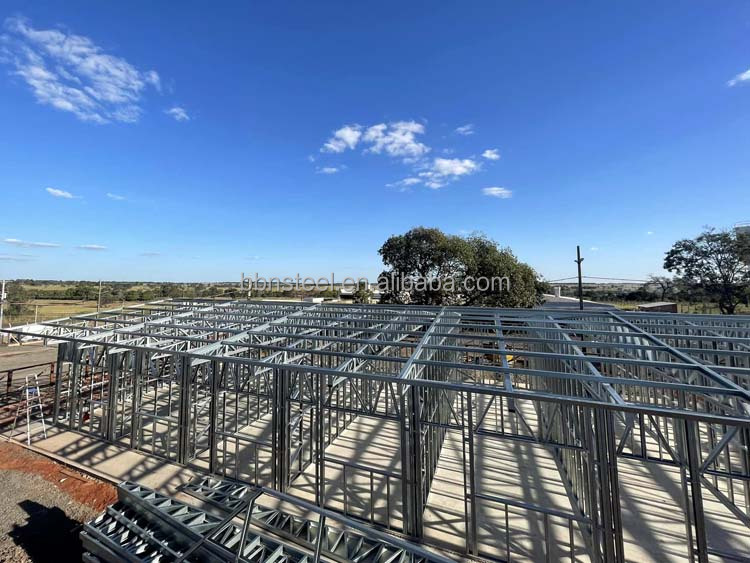
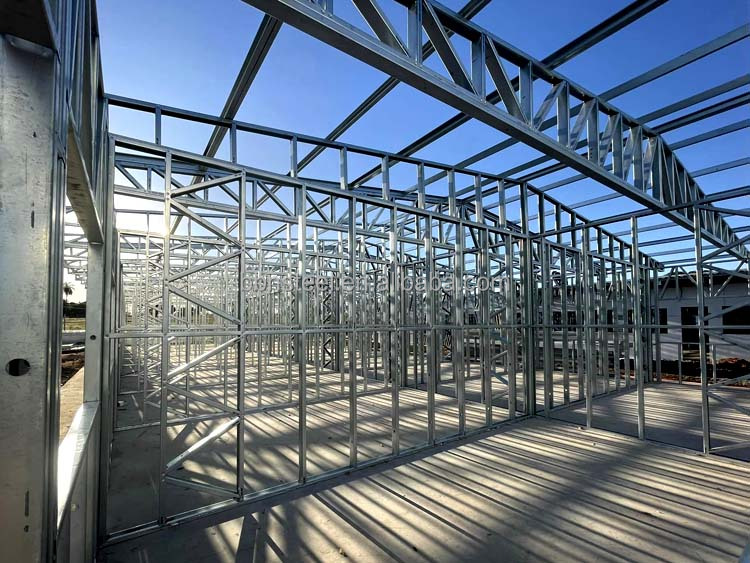
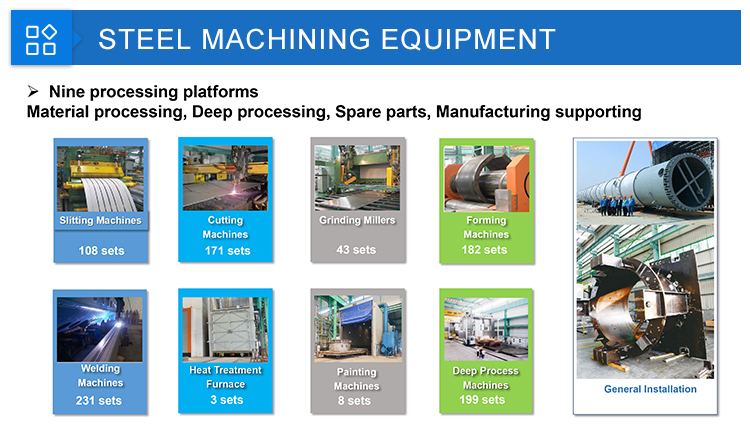
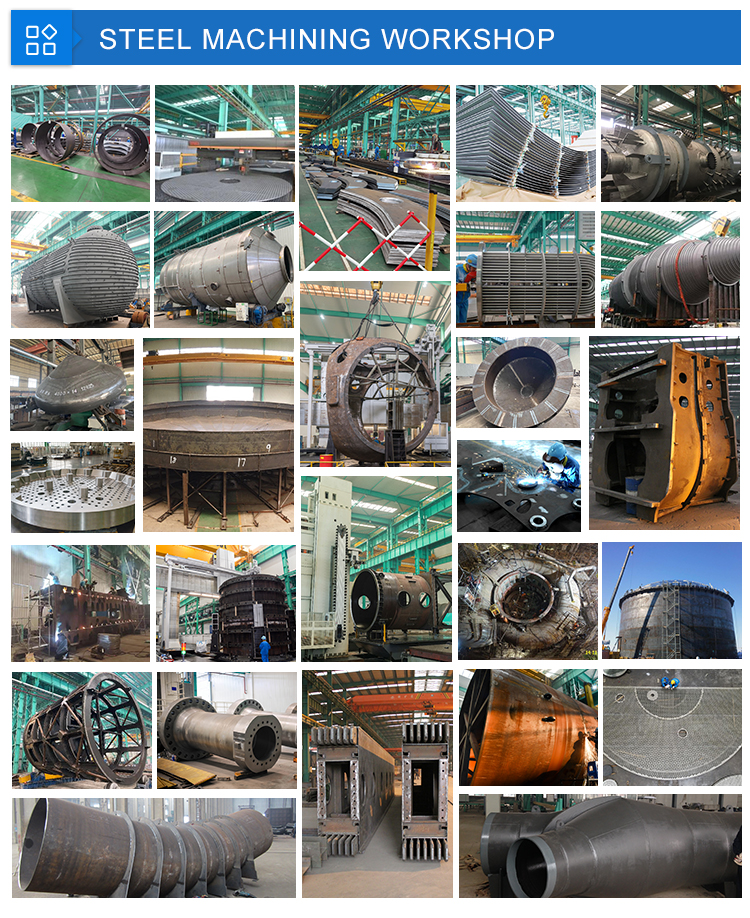
A prefabricated steel structure involves designing and manufacturing building components in a controlled factory setting beforehand. Once fabricated, these structured sections are transported to the construction site for swift assembly and bolting.
They are highly efficient to install and typically cost 25% less per square meter compared to traditional building options. This is due to minimized on-site labor requirements and reduced material waste during factory manufacturing.
Prefabricated steel structures are ideal for wide-open designs. The structural span length can reach up to 100 meters, which makes them highly suitable for stadiums, airports, railway stations, and shopping malls.
Yes, they are highly customizable. Components are manufactured in advance to match specific engineering calculations and are connected utilizing customized bolts, which also makes future structural changes or expansions much simpler.
Yes, prefabricated steel frames are compatible with diverse materials. You can easily integrate glass facings, wooden panels, corrugated steel sheets, and insulation panels to achieve the desired aesthetic and functionality.
Prefabricated steel buildings are significantly lighter than concrete buildings. The reduced overall weight puts less stress on the foundation, which can lower foundational engineering costs and simplify assembly.