1 / 5
 Bildon Steel
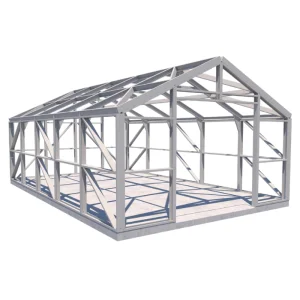
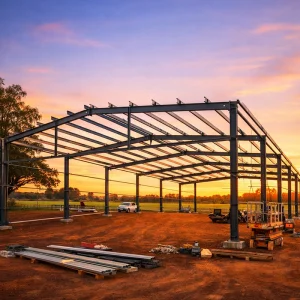
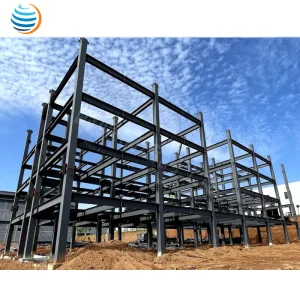
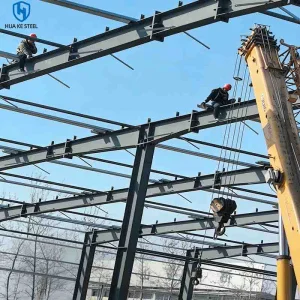
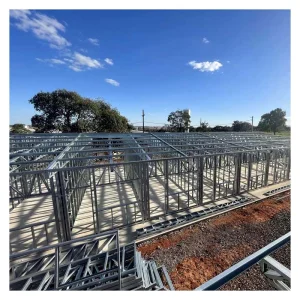
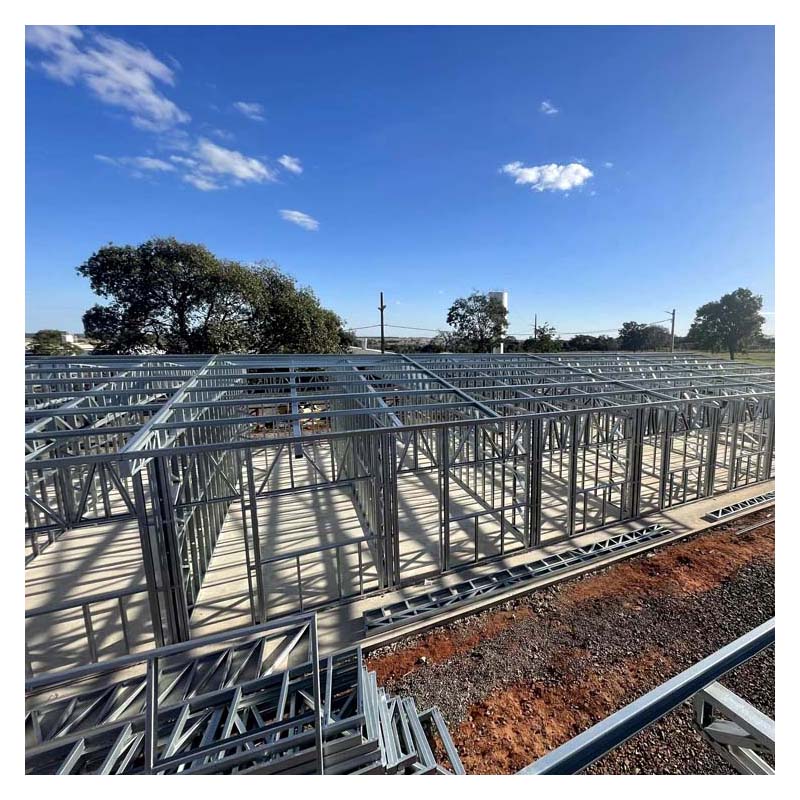
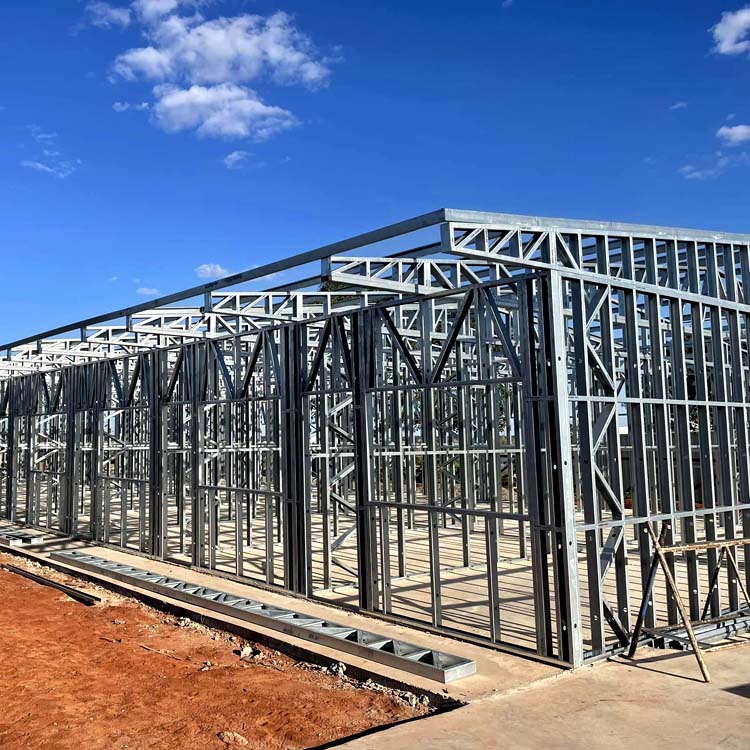
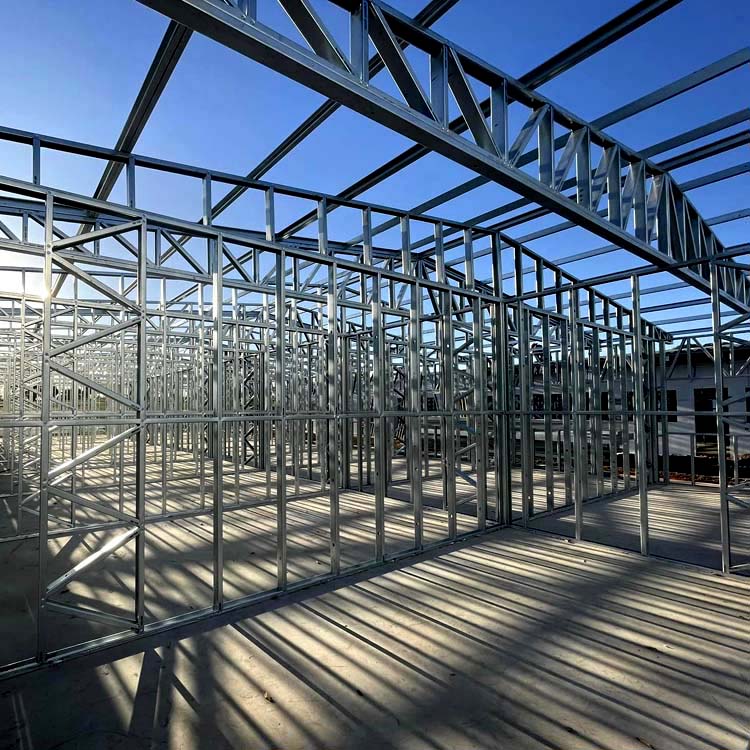
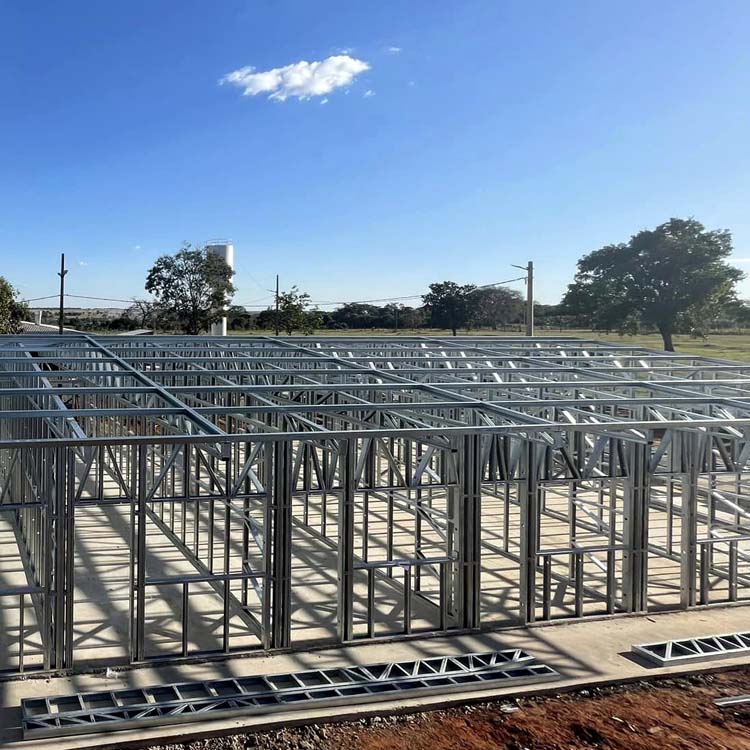
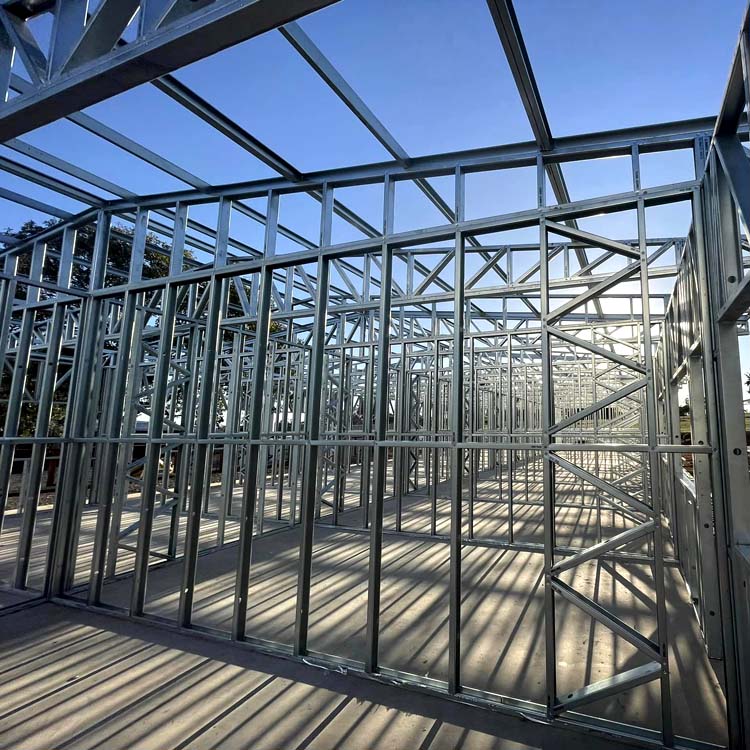
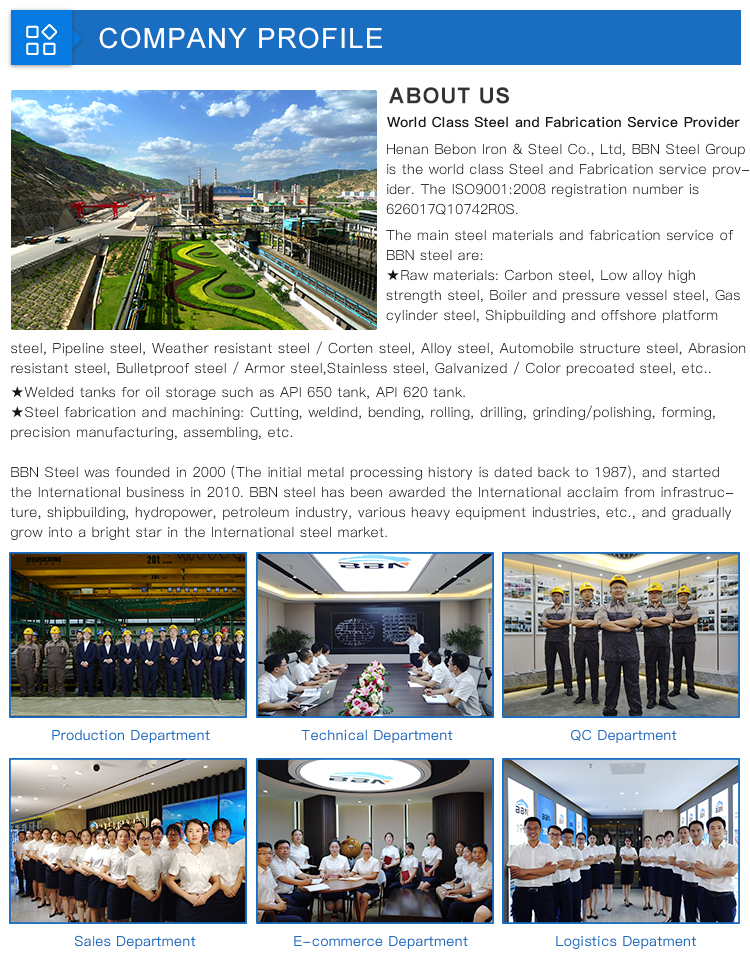
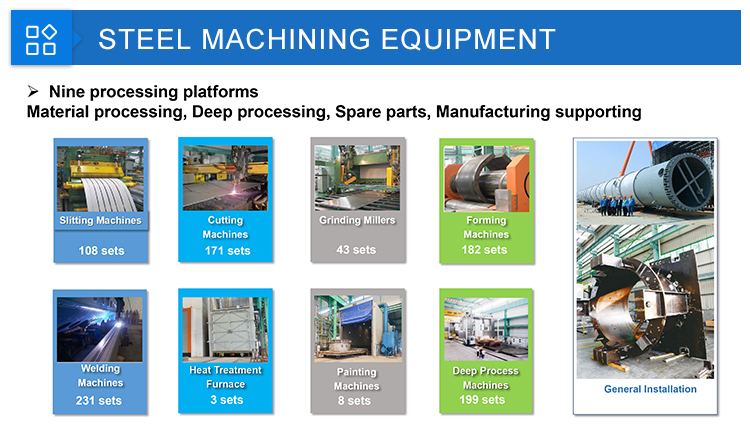
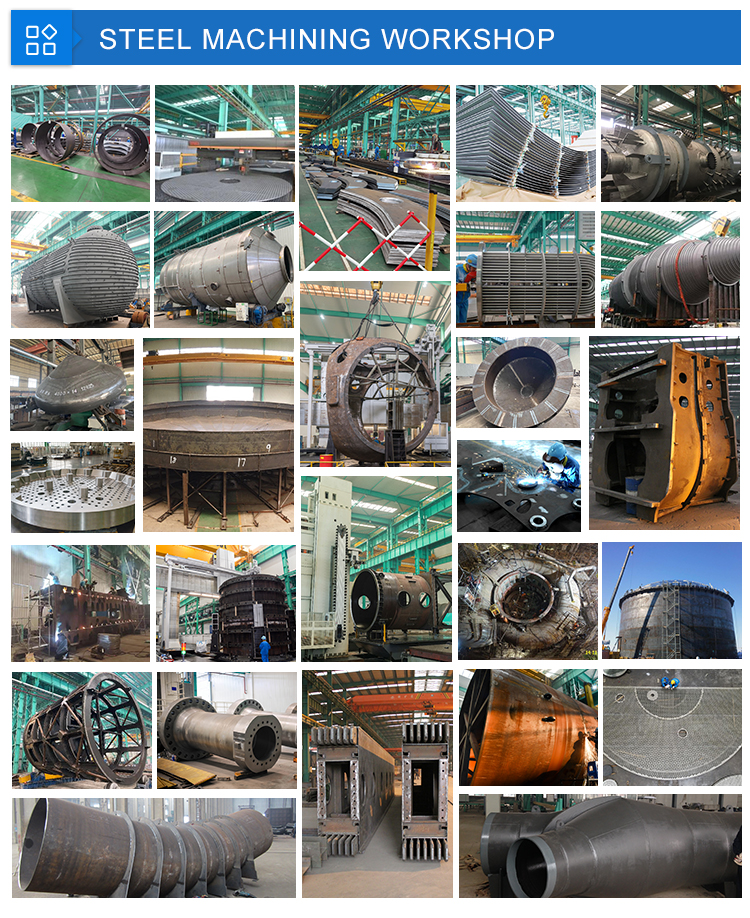
Over the years, Steel being a prominent metal in the construction industry, has been commonly used. It brings the demand for prefab metal buildings. Prefabricated steel structure involves designing and fabricating components in advance and then installing them at the construction site.
| Cost-effective | Prefabricated steel structures are easy and quick to install and cost 25% less per square meter than traditional steel buildings. |
| Flexibility | The components of prefab metal building are designed in advance and then connected by customized bolts and connections. |
| Lightweight | The weight of prefabrication steel buildings is lesser than concrete buildings. |
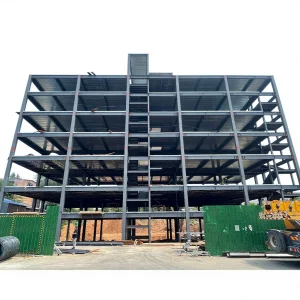
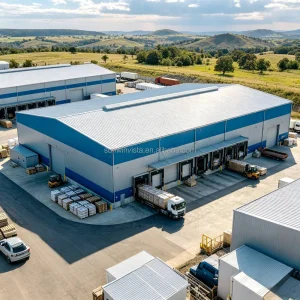
| Suitable for large-span space structures | The length of large-span prefabricated steel structures can reach 100 meters. So, prefab steel structures are commonly used in shopping malls, exhibition centers, railway stations, airports, and sports stadiums. |
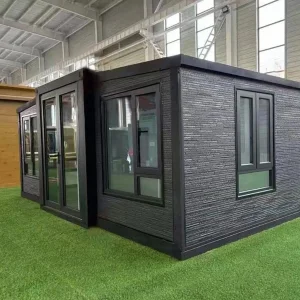
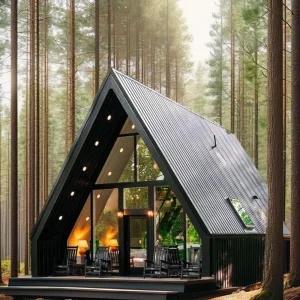
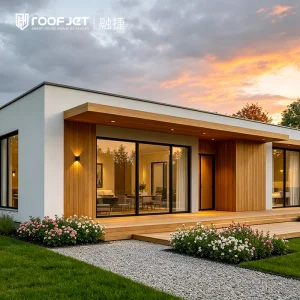
| Suitable for different materials | Various decorative materials can be used in combination with prefabricated steel structures. For example, corrugated steel sheet, wooden, glasses, and so on. |
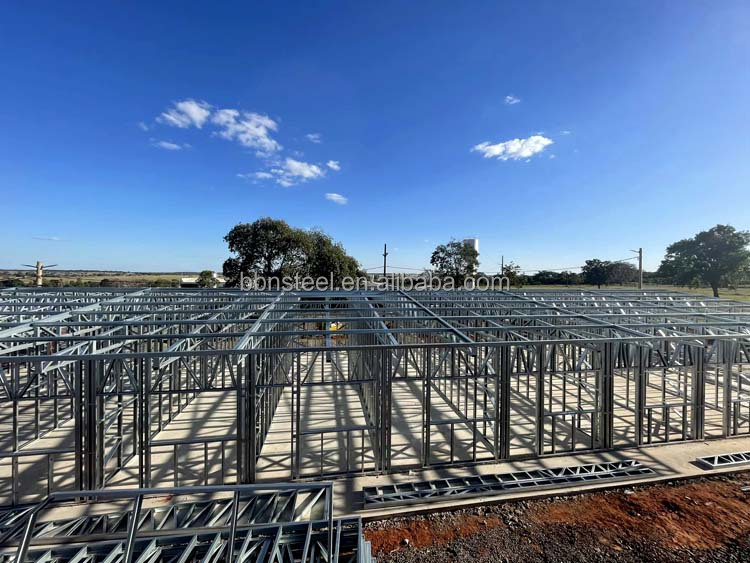
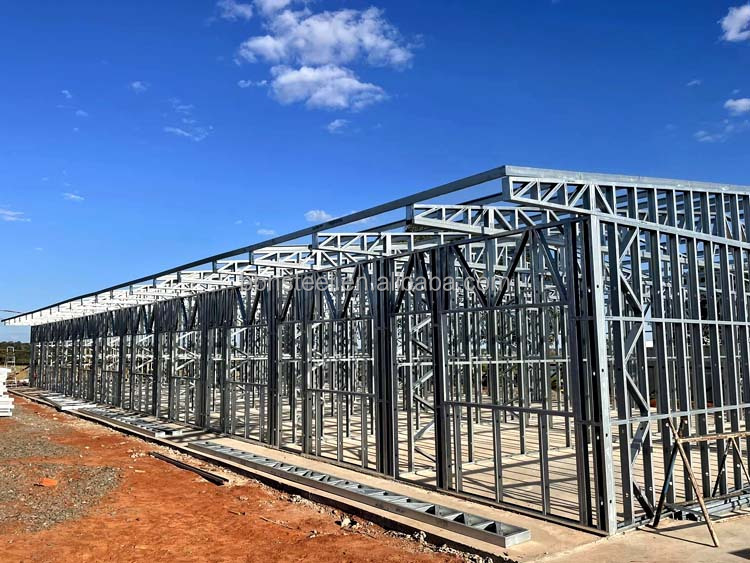
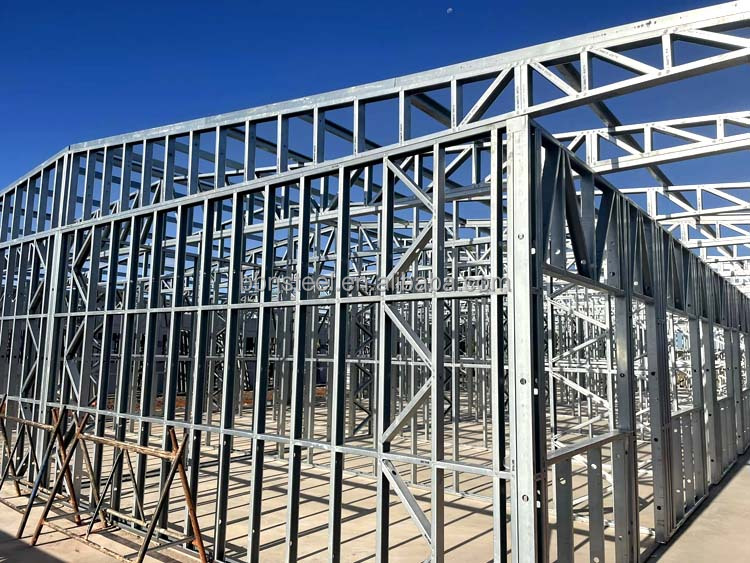
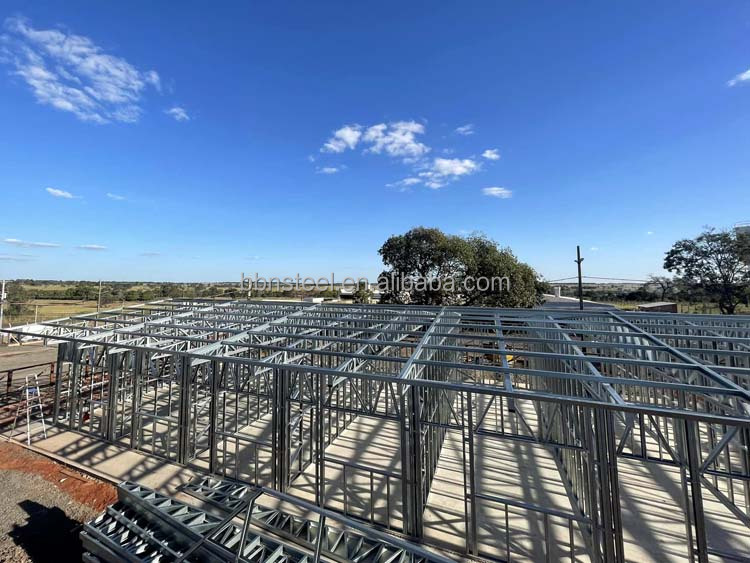
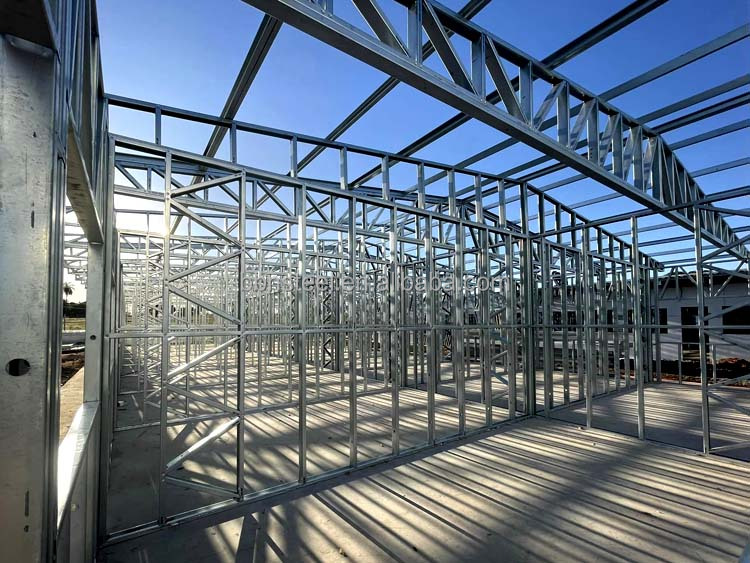


Prefab steel structures offer significant cost savings, faster installation times, and high durability compared to traditional concrete buildings. They are also versatile and can be used for large-span architectural designs.
With proper maintenance and high-quality anti-corrosion coatings, a prefabricated steel structure can last for 50 years or more, depending on the environmental conditions.
Yes, all components are designed in advance based on specific project requirements. This allows for complete customization in terms of dimensions, layout, and aesthetic finishing.
Absolutely. Steel has high strength-to-weight ratio and excellent ductility, making it much more resistant to seismic activities and high wind loads than traditional masonry buildings.
Yes, prefabricated steel structures are highly compatible with various materials such as glass curtain walls, corrugated steel sheets, wooden panels, and insulation sandwich panels.
Steel is 100% recyclable. Furthermore, the prefabrication process reduces on-site waste, noise, and environmental disturbance during the construction phase.