Bildon Steel
Bildon Steel
Bildon Steel
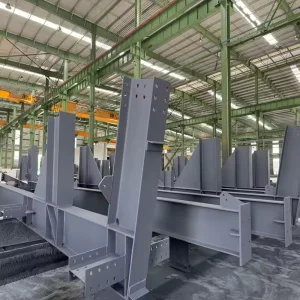
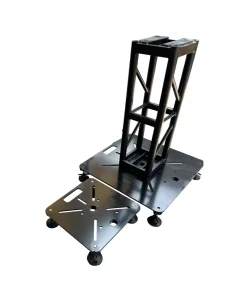
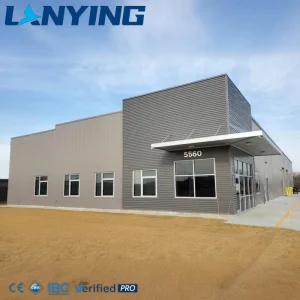
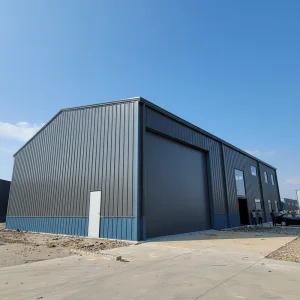
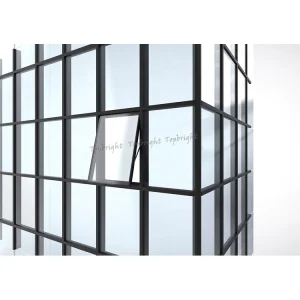
In modern architecture, the facade is no longer merely a separating barrier between the interior and exterior environments; it is a complex, high-performance structural subsystem. High-strength structural steel facades represent the peak of architectural capability, offering design freedom, slender profile dimensions, and load-bearing properties unmatched by aluminum. The physical properties of steel, particularly its elasticity modulus (approximately 200 GPa compared to 70 GPa for aluminum), enable structural engineers to design expansive glass spans with minimal framing obstruction. This structural capability is essential for high-rise commercial structures, expansive airport terminals, and custom high-end architectural masterpieces.
To implement these solutions at scale, global procurement teams must align with fabrication partners capable of translating complex design intents into mill-precise steel components. A reliable steel facade partner must balance structural integrity, thermal efficiency (mitigating thermal bridging), structural movement accommodation, and long-term corrosion resistance in harsh coastal or industrial environments. Shandong Bildon Steel Co., Ltd. delivers this high-level capability, providing engineered structural framing, custom-machined steel facade connections, and complete building envelope systems designed for challenging structural applications.
Shandong Bildon Steel Co., Ltd. is a leading integrated service provider in the steel structure and facade manufacturing space, specializing in comprehensive design, high-precision manufacturing, industrial fabrication, and on-site construction coordination. The company is committed to delivering premium structural steel solutions with strong engineering capabilities and reliable project execution for clients across global markets.
Bildon Steel has obtained and operates strictly according to internationally recognized management system standards, including ISO9001 Quality Management System, ISO45001 Occupational Health and Safety Management System, and ISO14001 Environmental Management System. The company is equipped with advanced non-destructive testing (NDT) and quality inspection capabilities, ensuring strict quality control over every stage of manufacturing and structural execution. Recognized as a credit-worthy, contract-abiding enterprise, Bildon Steel holds independent import and export rights, enabling the seamless delivery of products and services to global markets.
With a continuous focus on innovation and industrial upgrading, Shandong Bildon Steel Co., Ltd. actively promotes construction industrialization, digital engineering, and intelligent manufacturing. By integrating Building Information Modeling (BIM), finite element analysis (FEA), and automated CNC production lines, we improve precision, reduce material waste, and accelerate delivery timelines for complex structural engineering projects.
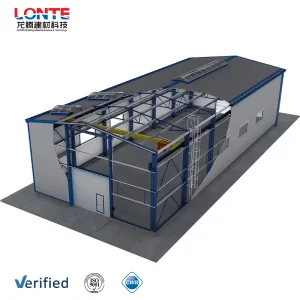
The company's diverse engineering and fabrication scope includes building steel structures, large-scale industrial plants, multi-storey and high-rise steel buildings, non-standard steel components, complete equipment supporting steel structures, metal processing, special steel structures, and heavy steel structures. It also has strong capabilities in high-demand engineering sectors, including nuclear power infrastructure, photovoltaic power generation systems, shipbuilding steel structures, curtain wall engineering, and offshore wind power structures.
Backed by an experienced team of structural engineers, project managers, and certified manufacturing personnel, Bildon Steel continues to strengthen its research and development capabilities, supply chain integration, and smart production systems. The company is dedicated to becoming a leading global steel structure manufacturing and engineering service base, known for advanced technology, stable quality, and high customer satisfaction.
We ensure that all steel fabrications align with key international standards, including AISC (American Institute of Steel Construction), Eurocode 3 (Design of steel structures), AS/NZS 4100 (Australian Steel Structures), and BS standards. Materials are supplied with Mill Test Certificates (MTC) matching EN 10204 3.1 specifications.
Our facade engineering team uses structural analysis software to run wind load simulations up to hurricane-level pressures (6.0 kPa+) and seismic drift calculations. This engineering guarantees that structural connections and steel members maintain structural integrity under dynamic conditions.
To withstand coastal, high-humidity, and industrial atmospheres, we utilize high-performance surface treatments, including hot-dip galvanization (ISO 1461), zinc-rich epoxy primers, and fluorocarbon (PVDF) topcoats. These coating systems meet C4 and C5 corrosion protection standards.
Purchasing steel facade systems and heavy structural components from China provides global project developers with distinct competitive advantages, particularly when partnering with an integrated manufacturer like Shandong Bildon Steel. These advantages span material sourcing, manufacturing scale, and global logistics coordination:
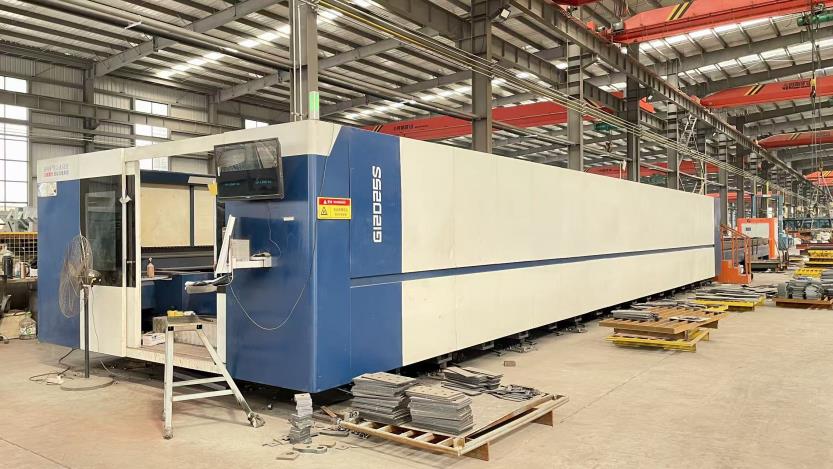
Our raw material preparation utilizes automated cutting processes to ensure exact dimensions, clean edges, and zero thermal distortion on structural steel plates prior to assembly.
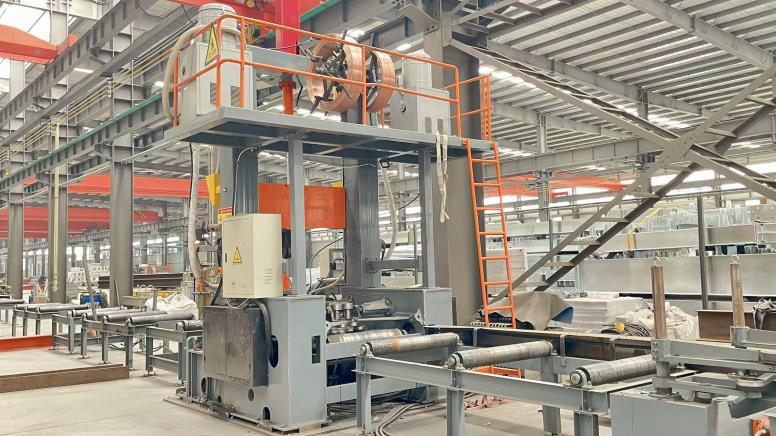
We use dedicated mechanical positioning and correction rigs to align structural components, eliminating residual stresses and preventing post-weld deformation.
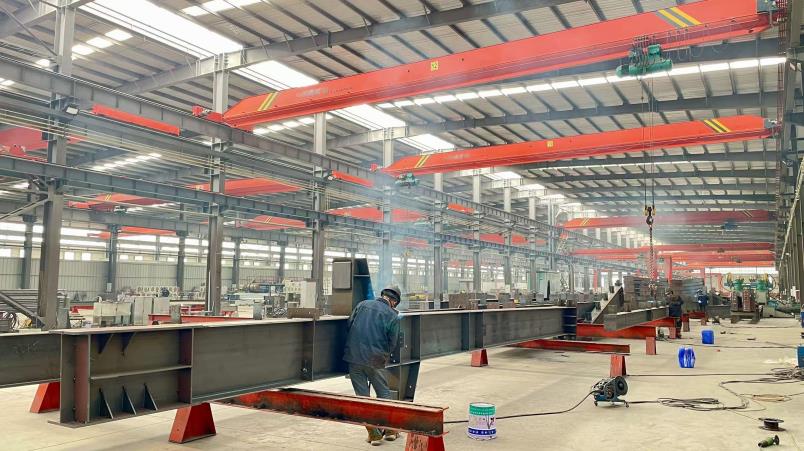
Welding operations are executed by certified technicians and robotic welders, adhering to AWS D1.1 and EN ISO 3834 standards to guarantee full-penetration joints.
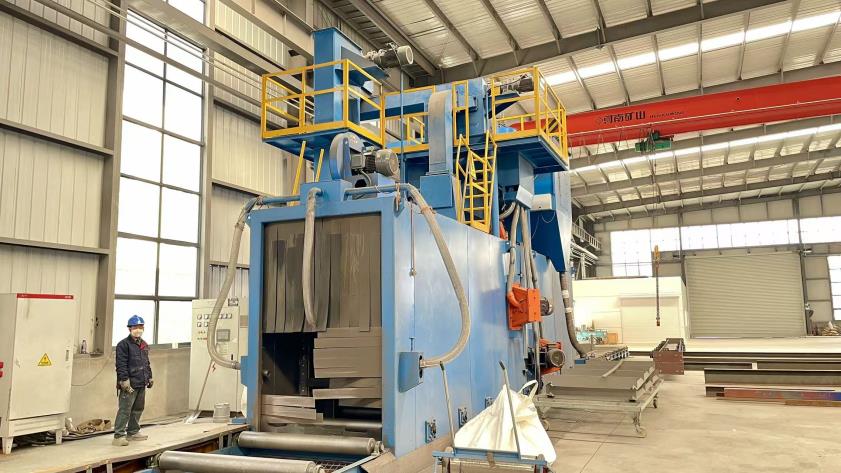
Weld seams and structural surfaces undergo thorough mechanical grinding and blasting to achieve the profile required for high-adhesion anti-corrosive coatings.
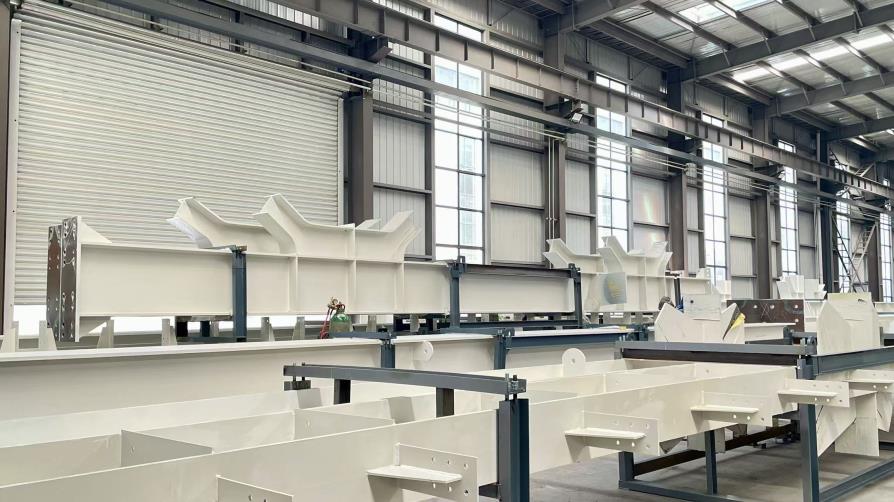
We apply multi-coat epoxy primer and polyurethane finishes in a climate-controlled booth, meeting the requirements of long-term C5-I industrial corrosion protection.
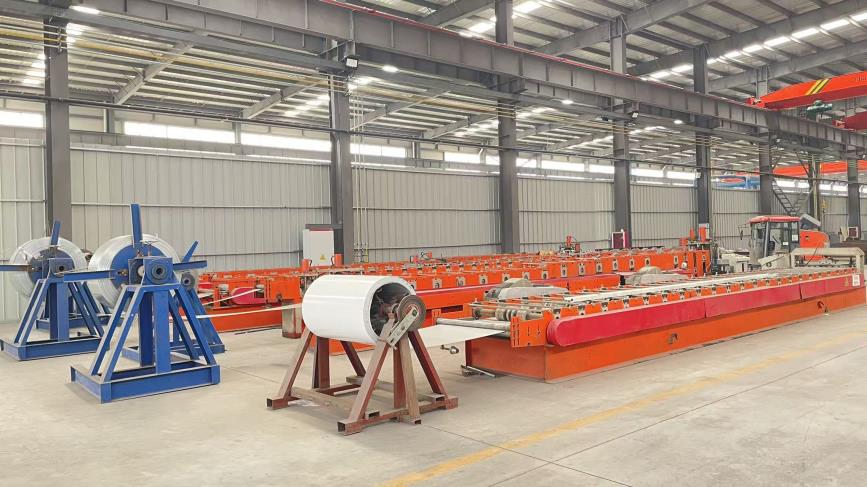
Our heavy-duty profile forming systems convert sheet steel into structural panel profiles, maintaining consistent cross-sections and dimensional tolerances.
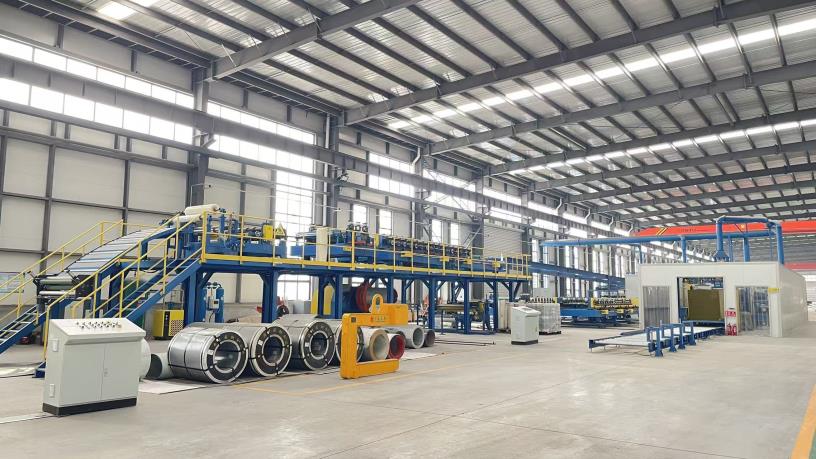
This automated line integrates steel skins with insulating cores to manufacture insulated sandwich panels, offering excellent thermal performance.
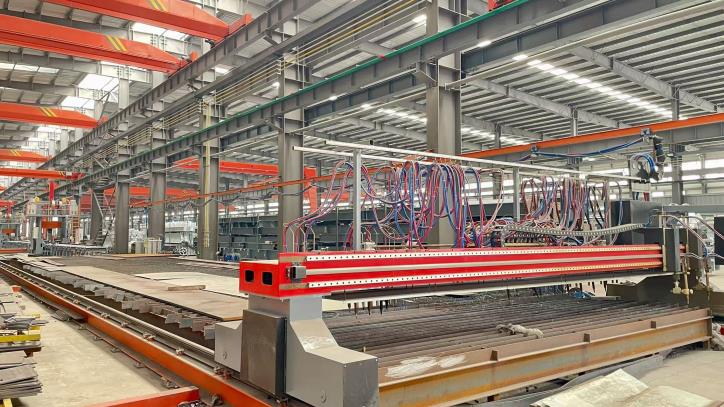
Our industrial flame cutting machinery handles thick structural steel plates, delivering fast, parallel cuts for heavy beam components.
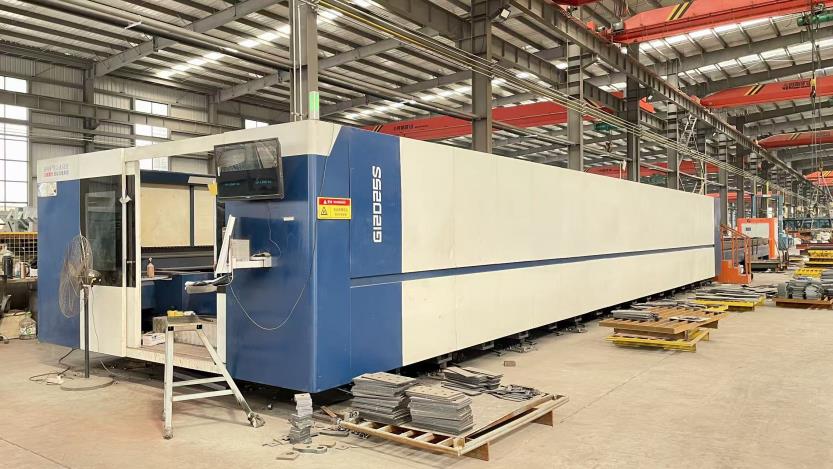
Fiber laser cutting technology allows us to process complex geometry profiles and connection plates, achieving high precision without mechanical tool wear.
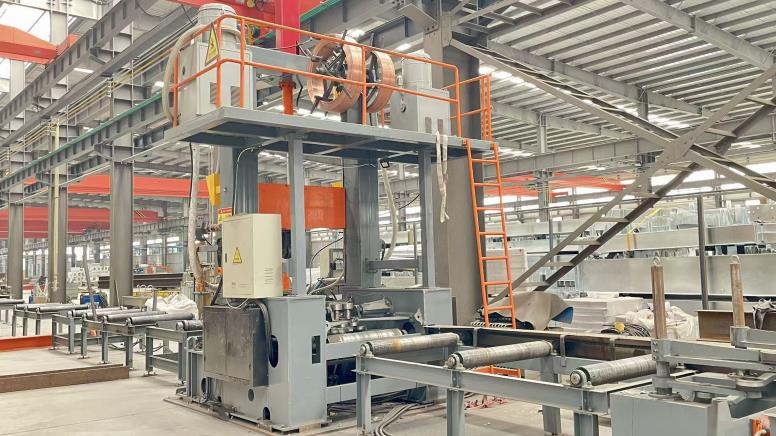
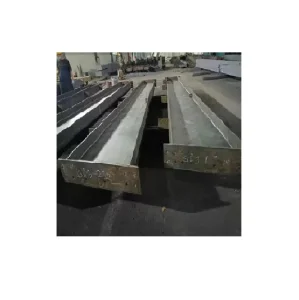
This combined system automates the assembly and straightening of H-beams in a single pass, ensuring structural consistency.
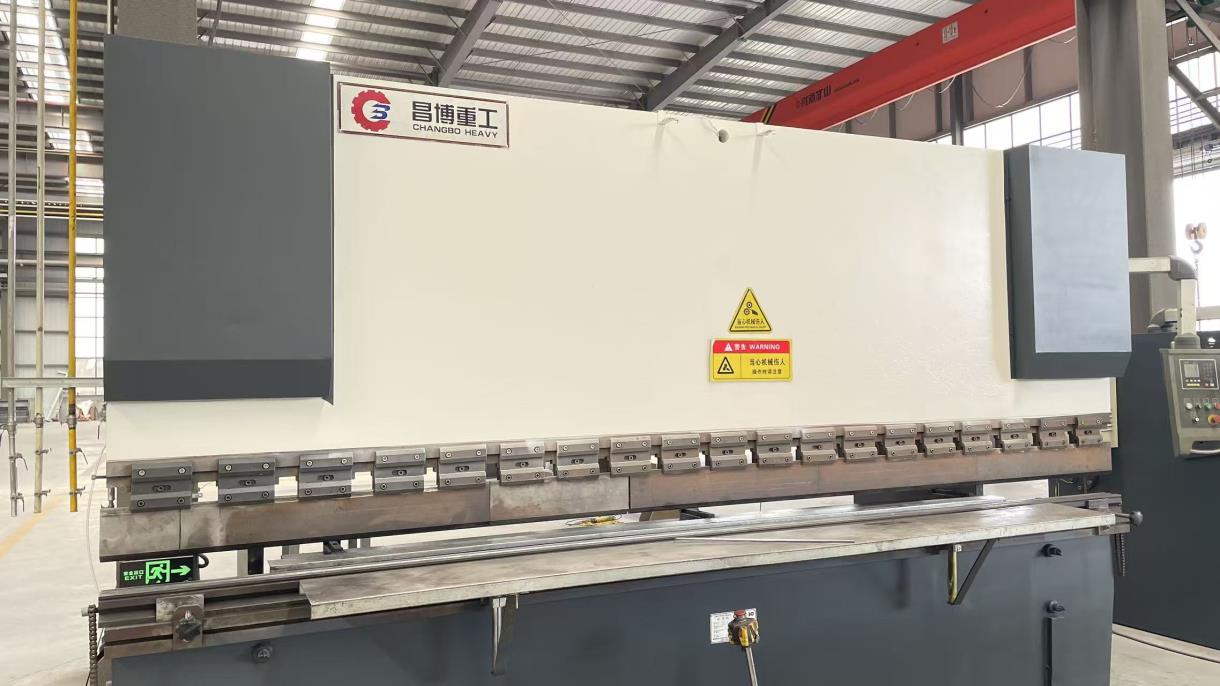
Our large-capacity hydraulic bending machines form custom steel channels and facade bracket angles with consistent angular accuracy.
The global facade industry is shifting rapidly toward sustainability, modular construction, and digitization. As modern code demands for building energy efficiency tighten, structural steel facade systems must adapt. Key trends shaping the future of this sector include:
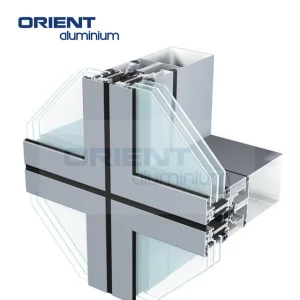
1. Prefabricated Unitized Facade Systems: Building envelopes are increasingly designed as unitized systems. Complete panels—including structural steel mullions, transoms, insulation, glazing, and perimeter flashings—are pre-assembled inside our controlled factory environment. On-site, installers lift these finished units into place, reducing field labor hours, minimizing weather delays, and maintaining high tolerances.
2. Low-Carbon Steel & Sustainable Design: Facade engineering now accounts for embodied carbon calculations. Shandong Bildon Steel supports green building certifications (such as LEED and BREEAM) by optimizing structural member cross-sections using finite element analysis. This reduces total material volume while maintaining required structural capacity. Additionally, structural steel is 100% recyclable, contributing to a circular economy.
3. BIM-to-Fabrication Digital Twins: The integration of BIM (Building Information Modeling) processes connects structural design directly to CNC machinery. This digital workflow reduces errors during detailing and allows facade components to integrate smoothly with HVAC, main structural steel frames, and concrete floor slabs.
For office skyscrapers, our structural steel facade members provide the rigidity required to resist high wind forces while maintaining minimal profile dimensions. This maximizes the usable interior floor space and increases natural light penetration.
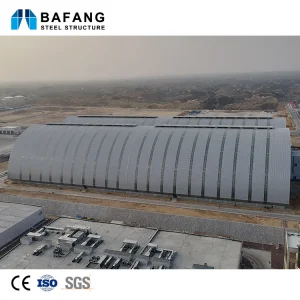
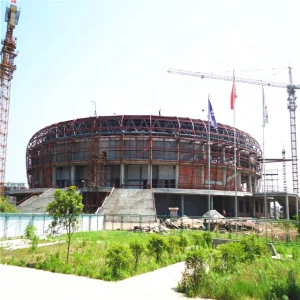
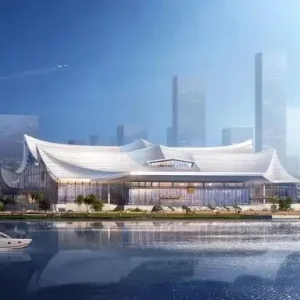
In municipal hubs like airport passenger terminals, train stations, and convention centers, our welded pipe trusses span vast, column-free distances to support expansive glazed building envelopes.
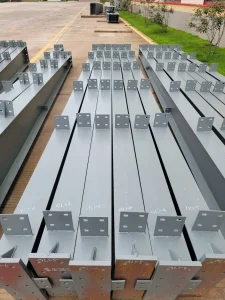
We fabricate structural framing for heavy industrial applications, including petrochemical complexes, nuclear power stations, and storage facilities that require robust structural support and reliable fire ratings.
Structural steel facade systems are selected when design requirements exceed the physical capabilities of aluminum. Steel has a modulus of elasticity three times higher than aluminum, meaning it deflects significantly less under the same wind loads. This allows structural members to remain slender over long vertical spans. Additionally, steel's thermal expansion coefficient is much closer to glass than aluminum's, reducing structural stress at seal joints and lowering the risk of air or water infiltration.
Our engineering division reviews project-specific specifications during the pre-construction detailing phase. We execute structural calculations according to specified design standards (such as AISC for North America, Eurocodes for Europe, and AS/NZS for Oceania). Furthermore, raw material plates are sourced from accredited steel mills, and we provide complete material traceability, Mill Test Certificates (MTC) to EN 10204 3.1, and third-party NDT (Non-Destructive Testing) documentation to verify structural integrity.
We apply multi-stage corrosion protection based on the project's site exposure and corrosion class (C1 to C5-I). Mild steel members are blast cleaned to Sa 2.5 near-white metal standard, followed by either hot-dip galvanization (ISO 1461) or the application of high-durability coatings. Our standard systems include zinc-rich epoxy primers, high-build micaceous iron oxide (MIO) epoxy intermediate barriers, and polyurethane or PVDF finish topcoats to ensure long-term durability with minimal maintenance.
By pre-assembling facade segments, steel joints, or wall components in our factory, we verify fit-up tolerances prior to shipping. This testing identifies geometry issues early, preventing costly site adjustments. On-site contractors receive pre-marked and certified components that lift and pin directly into place, speeding up construction timelines and minimizing field welding.
Our Quality Assurance (QA) team conducts multiple inspections, including visual inspections of weld geometries, ultrasonic testing (UT) and magnetic particle testing (MT) of critical tension connections, and dry film thickness (DFT) measurements of paint coatings. These quality control steps ensure that all fabricated structures align with project requirements before leaving our facility.