Bildon Steel
Bildon Steel
Bildon Steel
Romania has emerged as a critical hub for industrial manufacturing and logistics in Eastern Europe. With the rapid expansion of the A7 "Moldova Motorway" and the modernization of the Port of Constanța, the demand for heavy-duty structural components like box columns and beams has reached unprecedented levels. Modern warehouses in regions like Prahova Valley and Iasi now require larger spans and higher load-bearing capacities, where traditional H-beams often reach their limits.
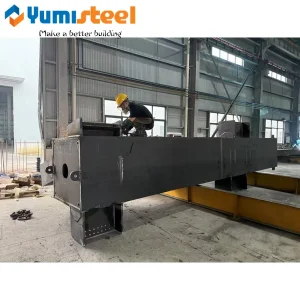
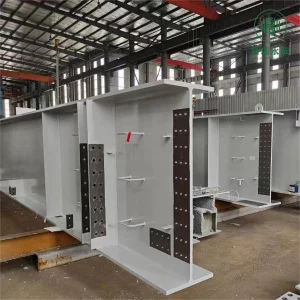
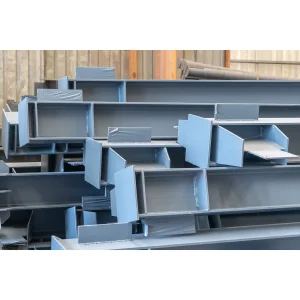
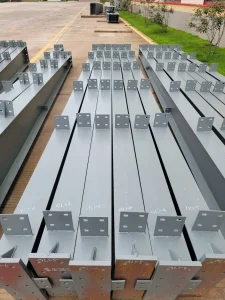
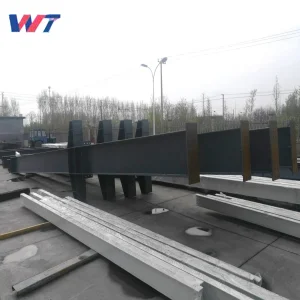
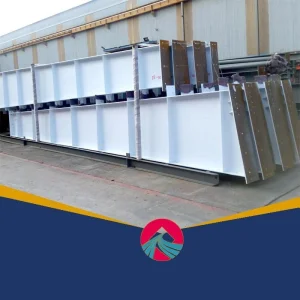
Our steel box columns offer the torsional rigidity necessary for high-rise residential buildings in Bucharest and seismic-resistant industrial plants in the Vrancea-adjacent zones. By providing "Information Gain" through our deep technical expertise, we don't just supply steel; we provide optimized engineering routes that reduce material waste while meeting the stringent EN 1993 (Eurocode 3) design standards prevalent in the Romanian construction sector.
Global procurement teams are shifting toward suppliers who can guarantee not only the quality of steel (Q355B/C/D, S355JR) but also the digital traceability of every weld. This is where Shandong Bildon Steel Co., Ltd. excels, bridging the gap between high-volume manufacturing and European precision requirements.
Shandong Bildon Steel Co., Ltd. is an integrated service provider in the field of steel structures, specializing in design, manufacturing, fabrication, and construction. The company is committed to delivering high-quality steel structure solutions with strong engineering capability and reliable project execution for clients across global markets, with a dedicated focus on the evolving needs of the Romanian industrial sector.
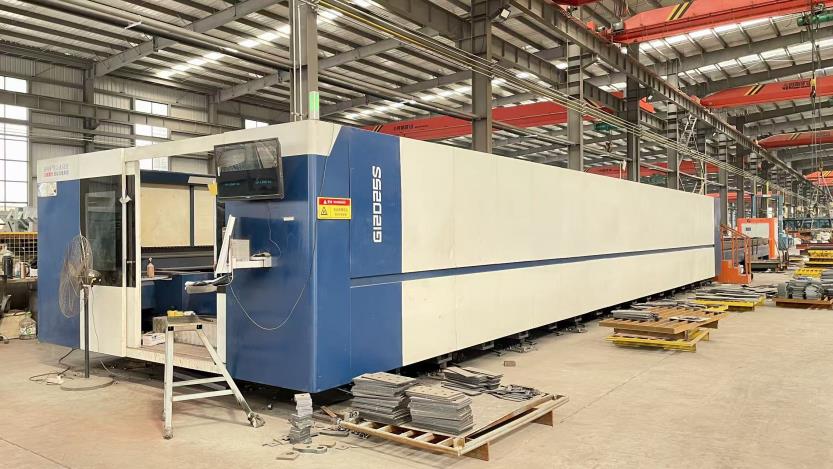
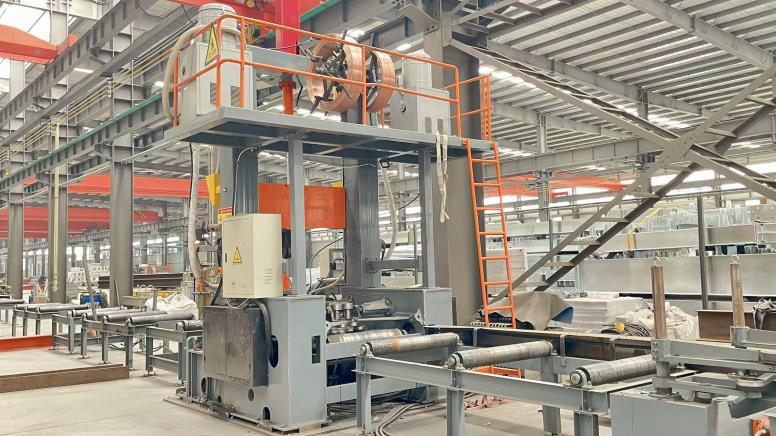
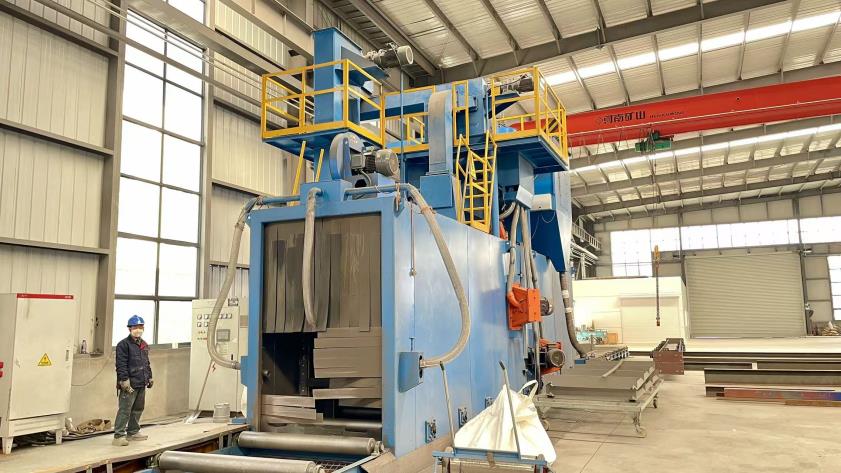
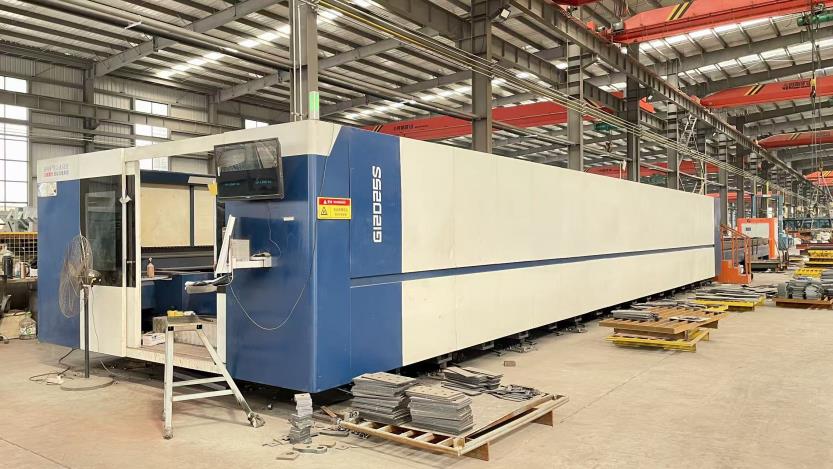
Bildon Steel operates internationally recognized management systems, including ISO9001 Quality Management System, ISO45001 Occupational Health and Safety Management System, and ISO14001 Environmental Management System. Our facility is equipped with advanced non-destructive testing (NDT) and quality inspection capabilities, ensuring strict control over every stage of production—critical for projects requiring European CE certification.
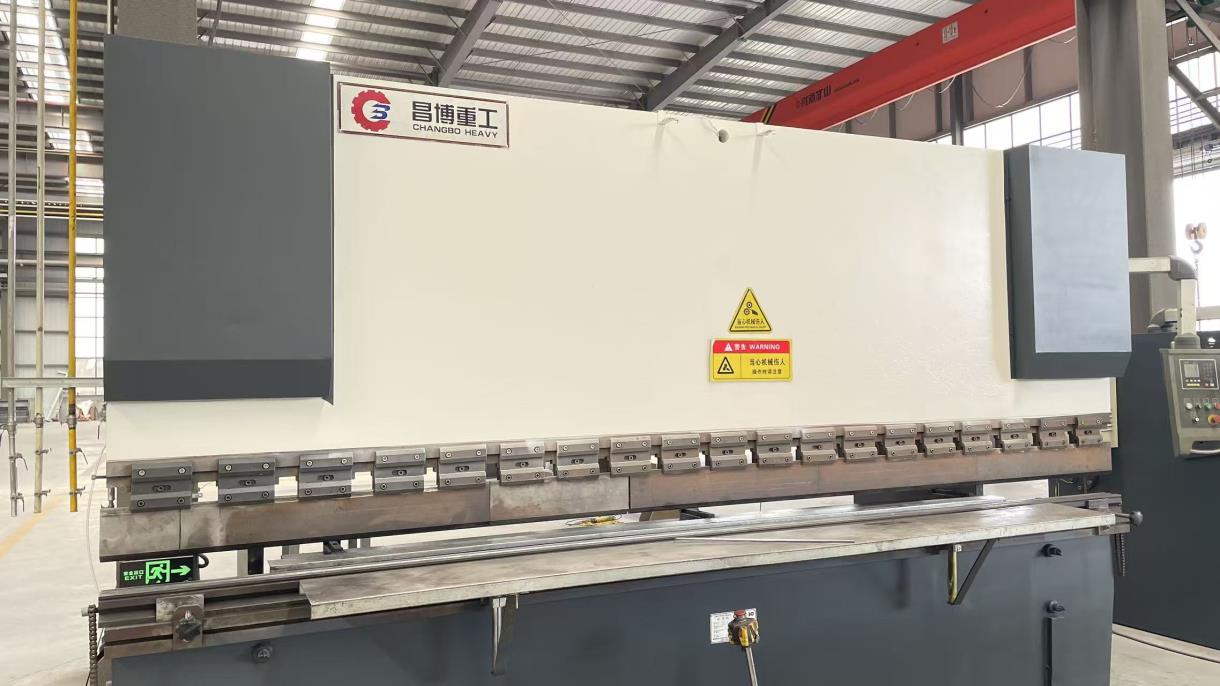
With continuous focus on innovation, we actively promote construction industrialization, digital engineering, and intelligent manufacturing. Our business scope covers building steel structures, large-scale industrial plants, multi-storey and high-rise steel buildings, and high-end engineering fields such as nuclear power infrastructure, shipbuilding steel structures, and offshore wind power structures.
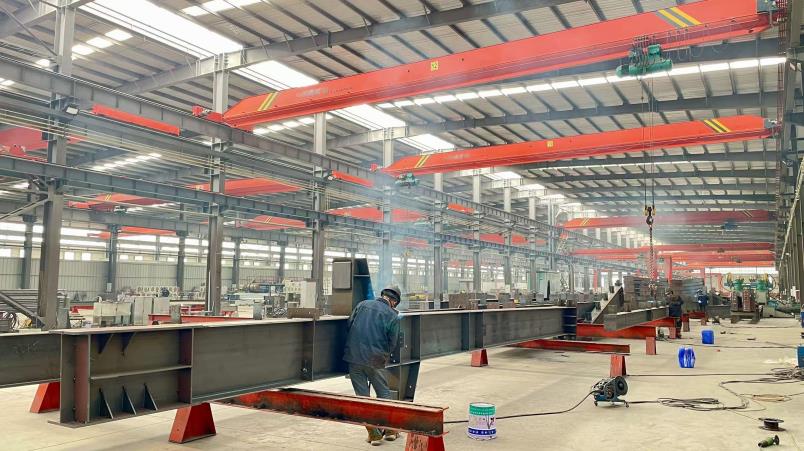
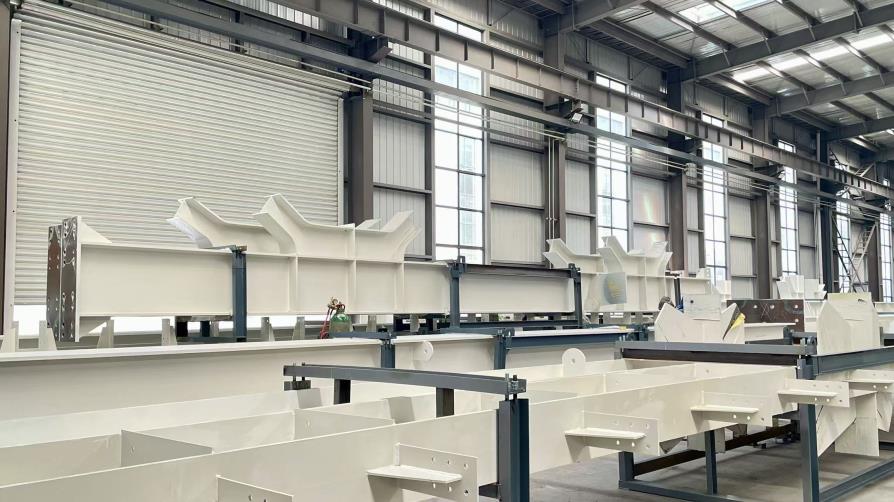
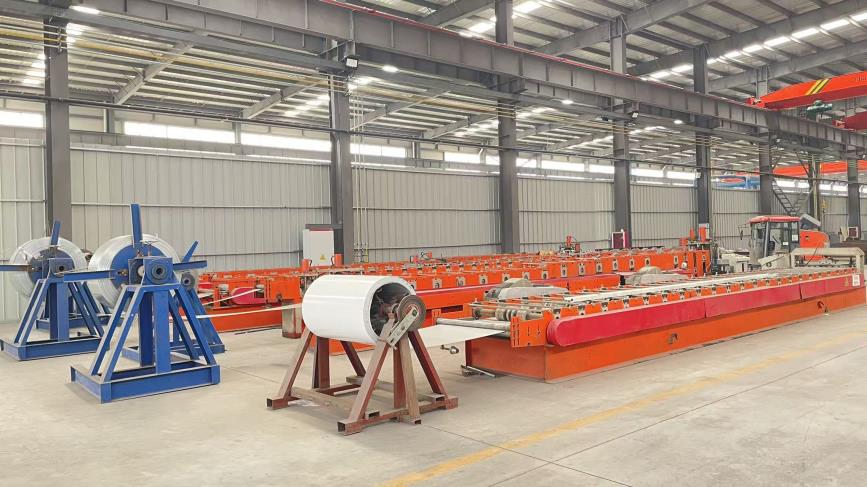
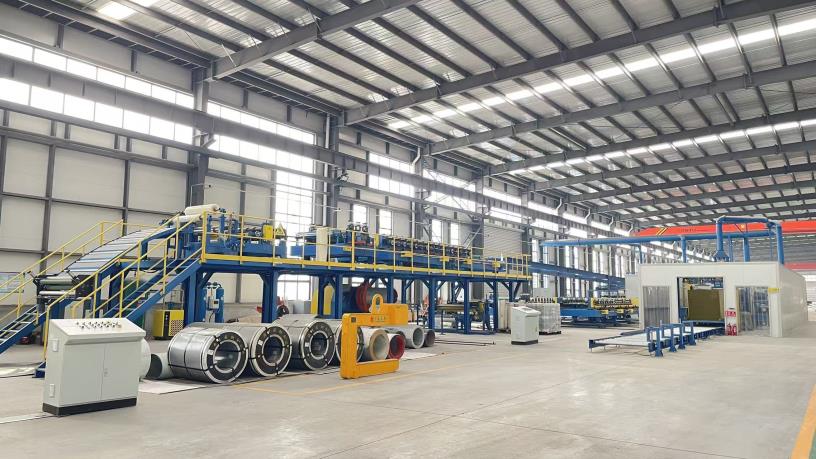
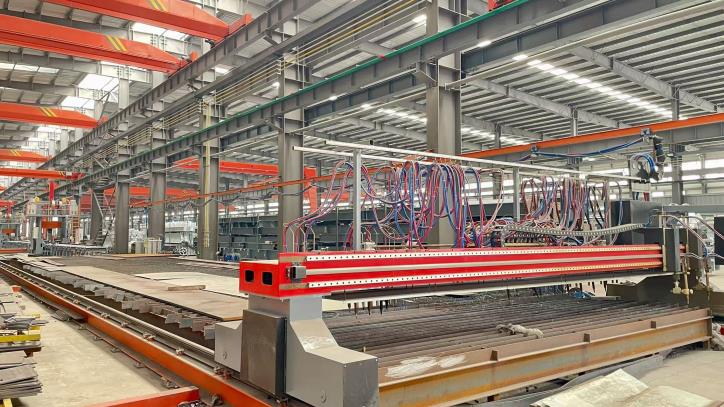
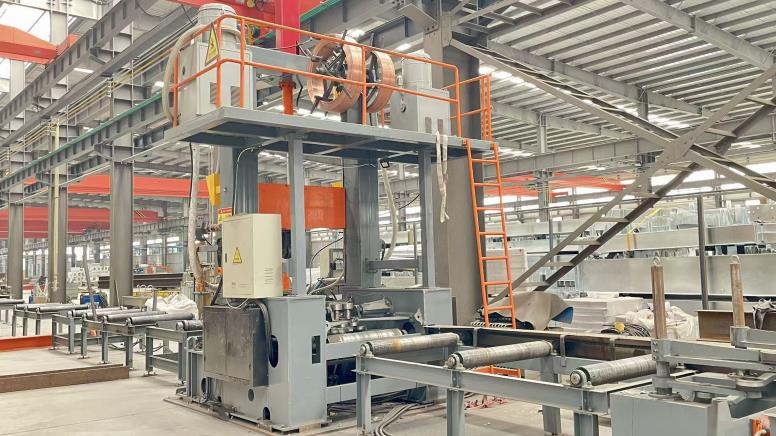
Romania is one of the most seismically active countries in Europe. Our box columns are designed with internal stiffeners and high-ductility welding to exceed the requirements of P100-1/2013 (Romanian Seismic Code). The box section provides equal strength in both axes, crucial for lateral load resistance.
We supply steel ranging from S235 to S355 (J2, K2+N) and higher. For cold-climate projects in the Carpathian Mountains, we provide Charpy V-notch impact testing at -20°C or -40°C to ensure structural integrity against brittle fracture.
Leveraging our independent import/export rights, we offer streamlined logistics to Port of Constanța or direct rail/truck delivery to inland hubs like Brasov and Ploiesti. Each shipment includes full MTC (Material Test Certificates) and EN 1090-2 execution class reports.
The Romanian construction market is rapidly adopting Building Information Modeling (BIM). Bildon Steel supports this transition by providing digital twins of our box columns and beams, allowing for "clash detection" before the steel even leaves our factory. This reduces on-site rectification costs by up to 30%.
Furthermore, sustainability is no longer optional. Our steel production incorporates scrap-recycled content where possible, helping projects in Romania achieve BREEAM or LEED Green Building certifications. As the EU Carbon Border Adjustment Mechanism (CBAM) evolves, we are ahead of the curve with transparent carbon footprint reporting for our structural components.