Bildon Steel
Bildon Steel
Bildon Steel
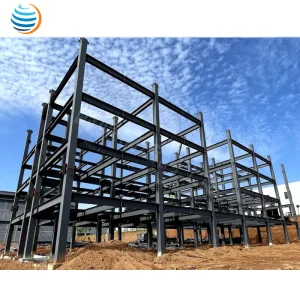
High-performance structural frame configurations optimized for structural integrity and seismic resistance.
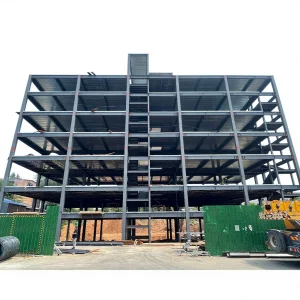
The United Arab Emirates is leading a structural transition from traditional masonry to offsite, pre-engineered building systems. Driven by the Dubai 2040 Urban Master Plan and the UAE Net Zero 2050 strategic initiative, the regional construction sector is prioritizing construction speed, material circularity, and resource conservation.
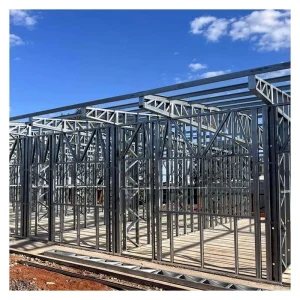
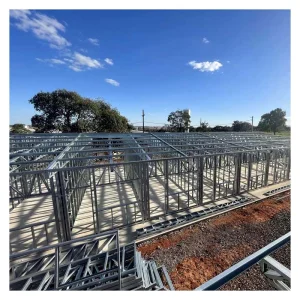
Light Gauge Steel (LGS) framing, cold-formed from structural-grade galvanized steel coils, represents the pinnacle of modern methods of construction (MMC). With high strength-to-weight ratios, LGS structures reduce foundation costs by up to 30% and eliminate site wastage. This is critical in the UAE, where soil conditions require deep foundation works.
Our light gauge steel systems are manufactured to align with Estidama guidelines in Abu Dhabi and the Al Sa'fat Green Building Evaluation System in Dubai. High recyclability combined with optimized thermal envelope performance ensures building permits are approved efficiently.
How our Light Gauge Steel frames resist the challenging environment of the Arabian Peninsula.
Designed with Z275 to AZ150 zinc/aluminum-zinc protective coatings. This chemical barrier prevents oxidation in coastal zones such as Jebel Ali, Sharjah, and Ras Al Khaimah where airborne saline concentration is elevated.
Calculated in compliance with BS EN 1993 (Eurocode 3) and ASCE 7. Engineered to withstand wind loads of up to 160 km/h (Basic Wind Speed), meeting municipality standards for structural safety during windstorms.
Integration of XPS/Polyurethane core sandwich panels and vapor barriers. Achieves U-values as low as 0.18 W/m²K, reducing energy consumption for mechanical cooling (HVAC) in summer heat.
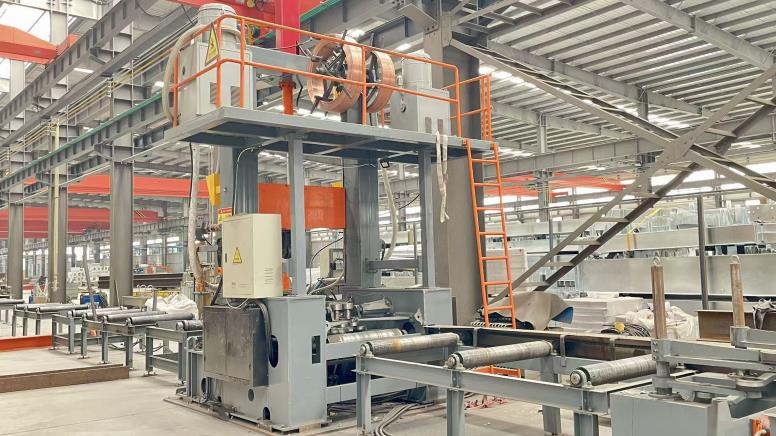
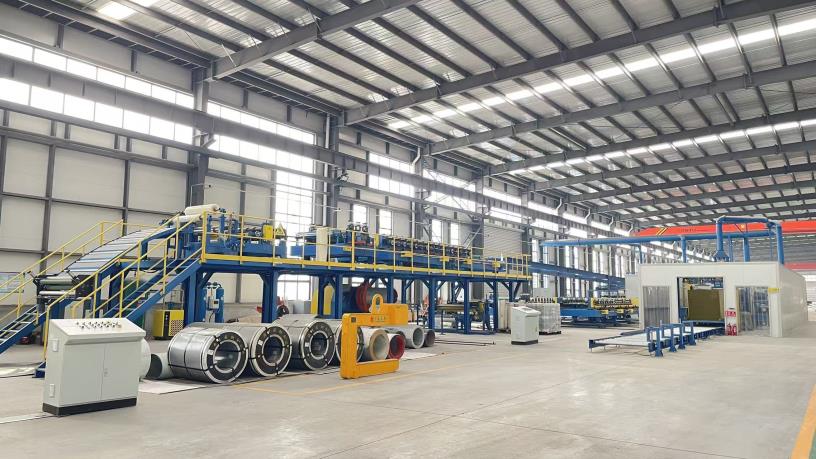
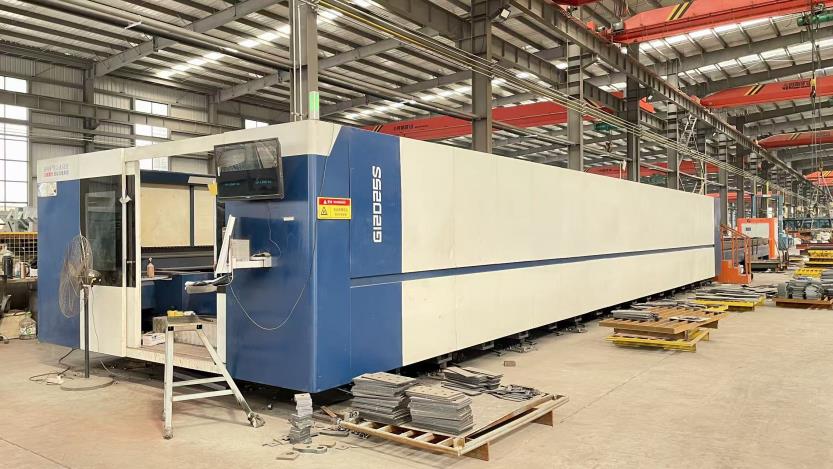
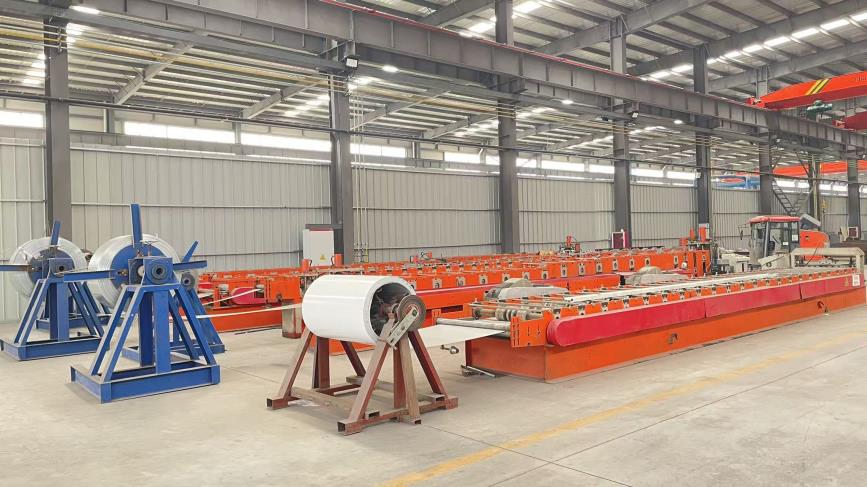
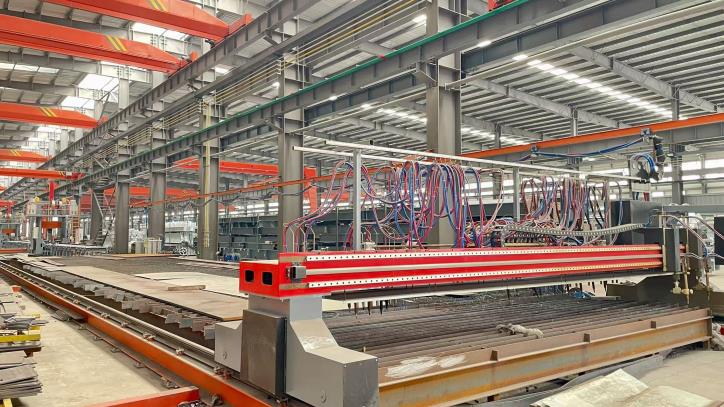
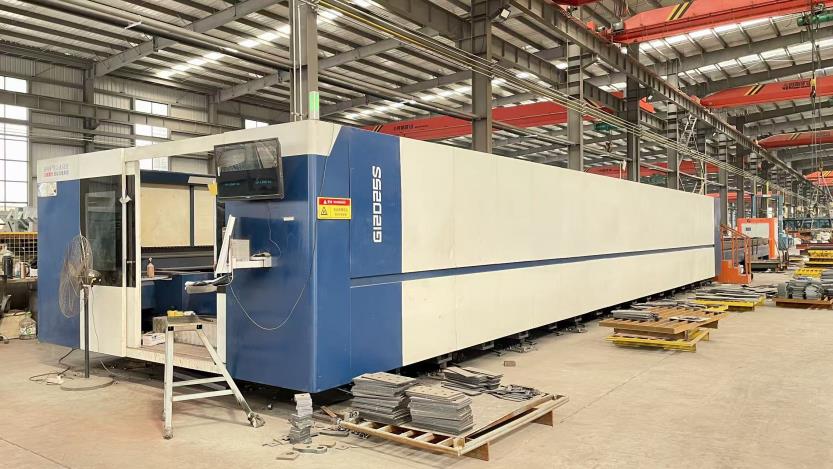
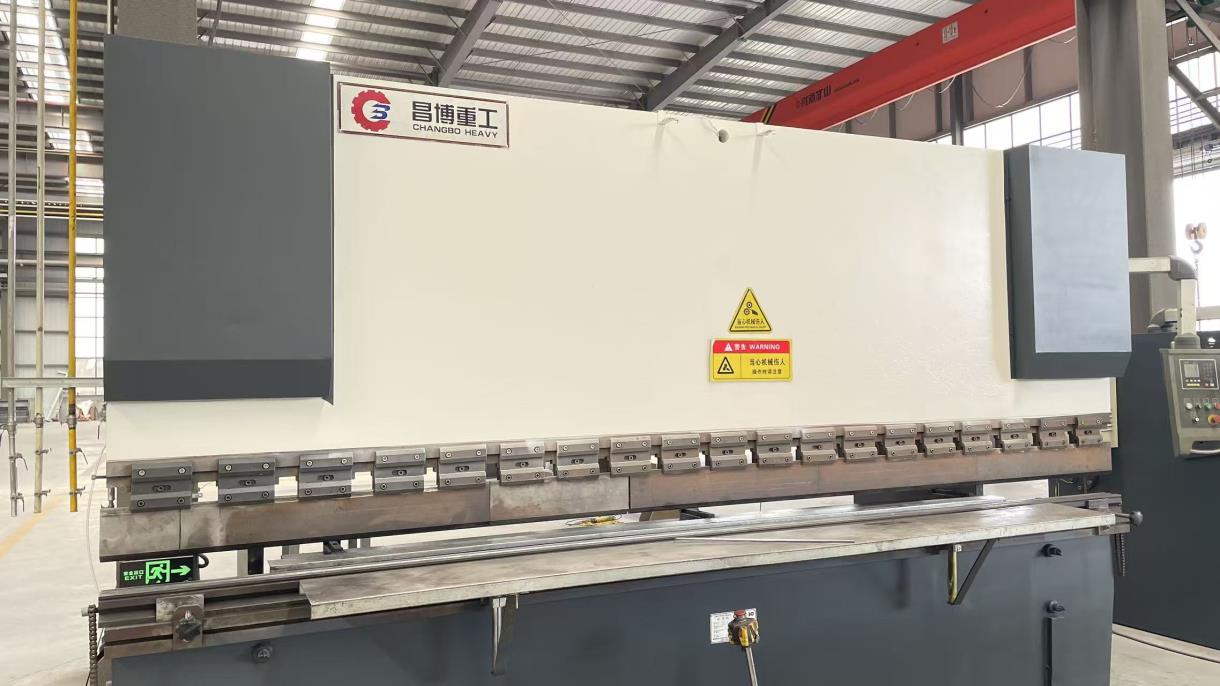
Shandong Bildon Steel Co., Ltd. is an integrated global designer, manufacturer, and construction partner specializing in structural engineering systems. Our manufacturing facilities utilize cold-rolling machinery and advanced laser processing to fabricate high-precision structural elements.
We maintain complete quality control from raw coil sourcing to containerized shipping. By employing non-destructive testing (NDT) methods and automated dimensional checks, we guarantee that all structural steel framing arriving at UAE ports complies with international standards and is ready for immediate assembly.
Partner with Bildon SteelA look into our certified manufacturing process, ensuring precision from raw steel to finished modular structures.
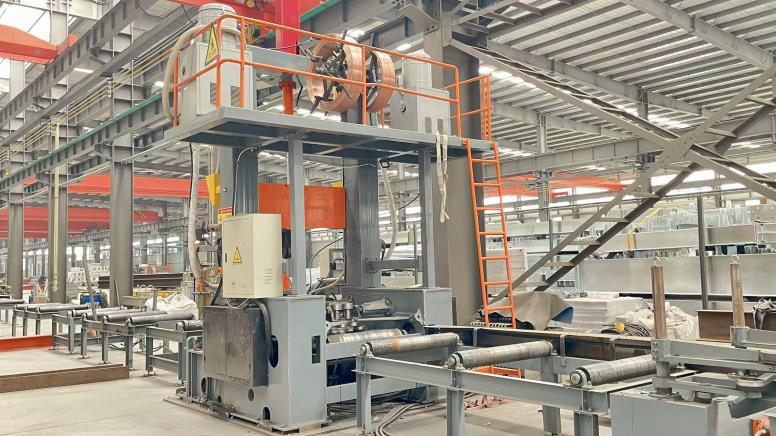
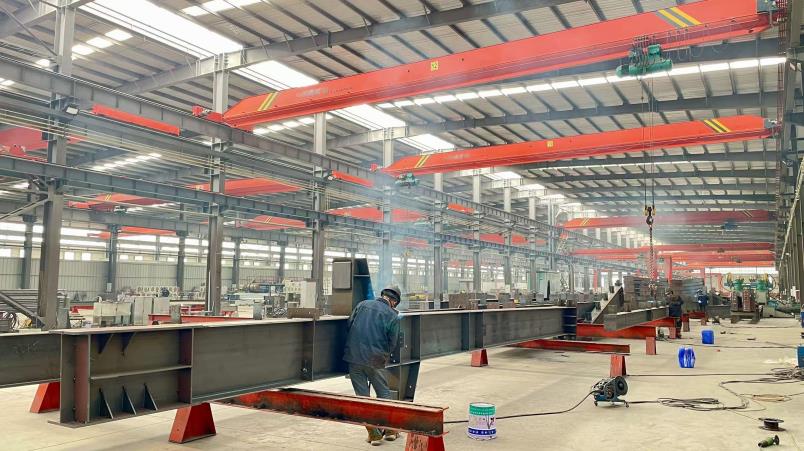
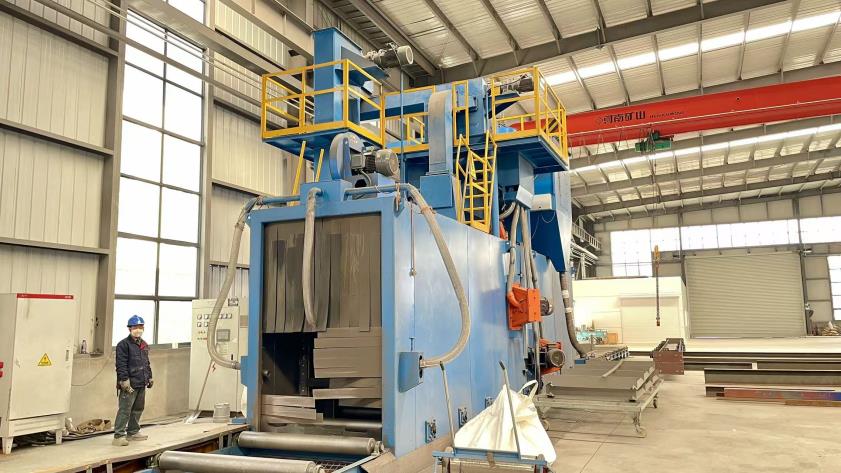
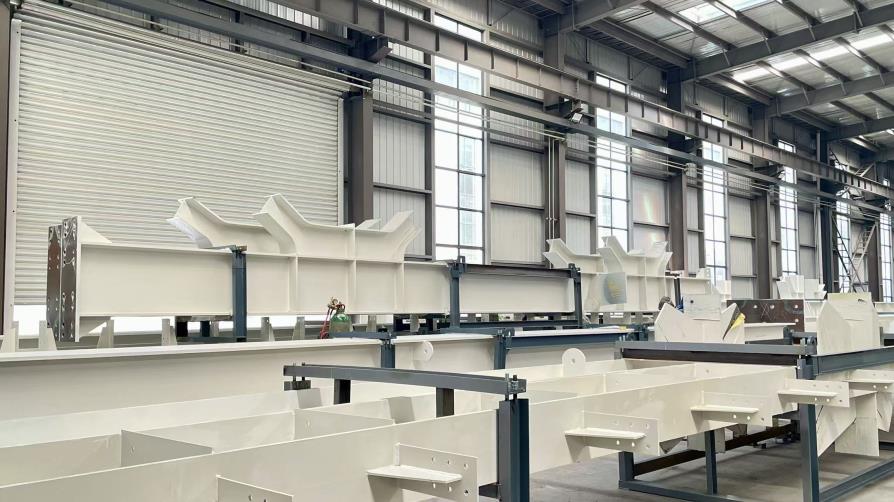
Tailored structural profiles answering the physical, economic, and logistical demands of Middle Eastern developments.
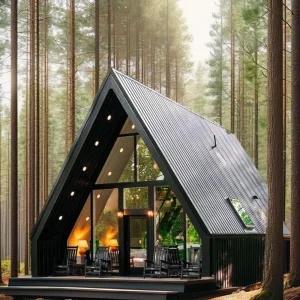
Designed for locations in Hatta, Al Ain, and Fujairah. The lightweight profile allows construction on sandy soils and dunes with minimal site footprint. Framing systems are engineered to prevent sand ingress and withstand extreme thermal shifts.
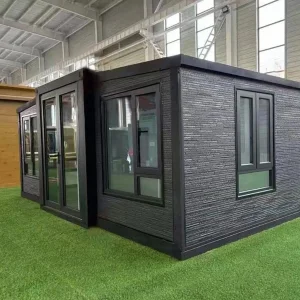
Scalable, multi-family accommodation units optimized for industrial zones like Mussafah (Abu Dhabi) and Sajaa (Sharjah). Rapid assembly rates allow developers to execute large housing programs ahead of tight project schedules.
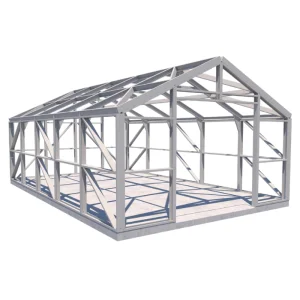
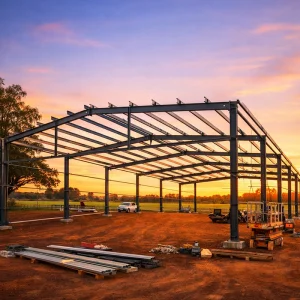
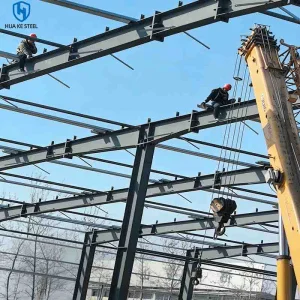
Ideal for commercial and industrial zones. Integrates clear-span light steel trusses to provide open layouts for heavy machinery, specialized material storage, and logistics operations.
Explore our range of prefabricated components, villas, workshops, and framing modules designed for direct shipping to UAE ports.
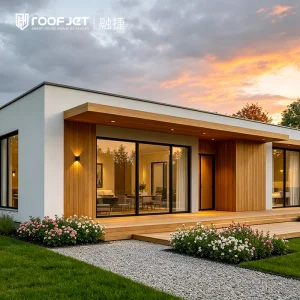
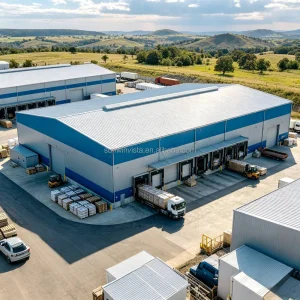
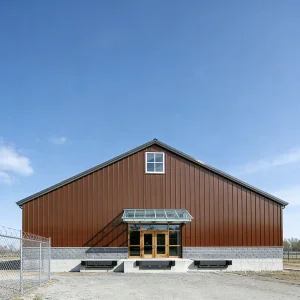
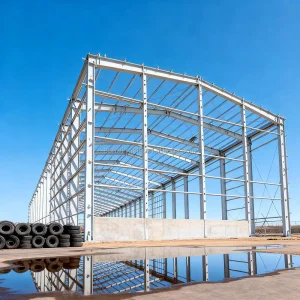
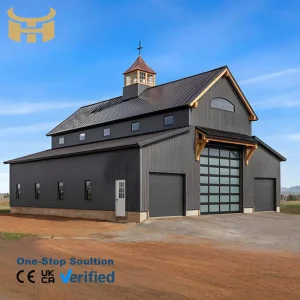
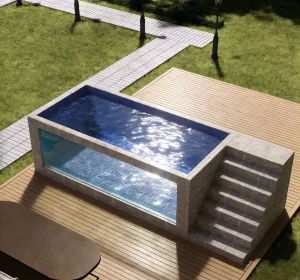
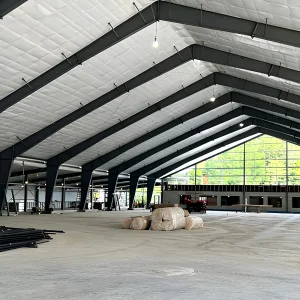
How modular light steel technology is shaping the future of construction across the GCC region.
Steel is a highly recycled structural material. Our cold-formed manufacturing workflows optimize nested design templates to limit material scrap rates to under 1%. By moving structural fabrication from the construction site to our automated facilities, we minimize regional environmental disruption.
Our design engineering department is integrating Building Information Modeling (BIM) programs with direct roll-forming production interfaces. This structural integration allows us to output light gauge frame sets ready for rapid bolt-together construction, eliminating the need for onsite cutting or modification.
The resulting framework reduces foundation loading requirements. This enables structural engineers to design thinner foundation slabs, saving concrete and lowering the embodied carbon footprint of the project.
Technical answers addressing local building permits, structural engineering, and logistics.